 Save
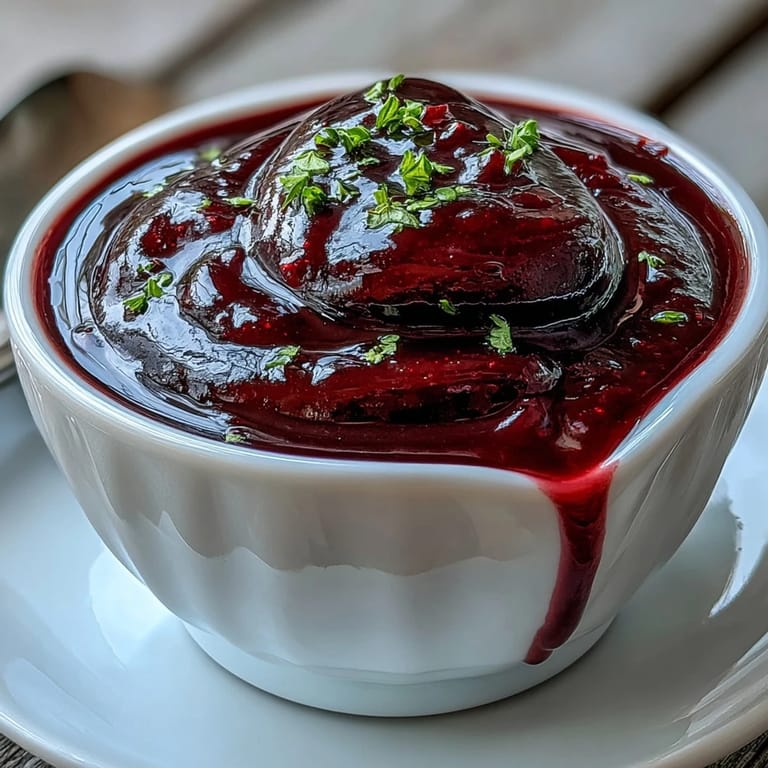
Save The first time I understood what a proper sauce could do was standing in a friend's kitchen while she poured a glossy black currant reduction over a slab of seared duck. The sauce hit the plate and pooled like liquid silk, deepening in color as it cooled slightly, and suddenly everything made sense—how a few humble ingredients, when treated with patience and respect, could transform a good meal into something you'd remember. That moment changed how I think about cooking, and this reduction has been my gateway to understanding French sauces ever since.
I made this for a dinner party where I'd promised something 'interesting' but wasn't entirely confident, and I remember the nervous energy as I strained the reduction for the first time, watching those black currants surrender their color into the wine until the whole pan glowed ruby-dark. When my guest took that first bite of duck draped with the finished sauce, the way their fork paused and their eyes closed for just a second told me everything I needed to know about getting the fundamentals right.
Ingredients
- Fresh or frozen black currants (1 cup / 150 g): These are the heart of the sauce—tart, slightly floral, and absolutely worth seeking out; frozen works beautifully if fresh aren't available, and they break down evenly during cooking.
- Dry red wine (1 cup / 240 ml): Choose something you'd actually drink because the flavor concentrates as it reduces, so thin or overly tannic wine will announce itself loudly.
- Good-quality chicken or vegetable stock (1/2 cup / 120 ml): This adds body without overwhelming the delicate fruit flavor; homemade is ideal, but a good low-sodium store version works.
- Balsamic vinegar (2 tbsp / 30 ml): The secret weapon that adds depth and a whisper of sweetness without being obvious about it.
- Small shallot, finely chopped: Shallots dissolve almost completely and give you a subtle onion presence rather than a sharp bite.
- Fresh thyme sprig and bay leaf: These steep into the sauce and then get removed, leaving behind their essence without any leafy bits.
- Granulated sugar (2 tbsp / 25 g): Balances the wine's tannins and the currants' tartness—taste as you go because you might need less or none depending on your fruit.
- Freshly ground black pepper and fine sea salt (1/4 tsp each): Season at the end so you can taste what you're actually adding, not guessing blindly.
- Cold unsalted butter, cut into cubes (2 tbsp / 30 g): This final step creates the glossy, silken finish that makes the sauce feel luxurious.
Tired of Takeout? 🥡
Get 10 meals you can make faster than delivery arrives. Seriously.
One email. No spam. Unsubscribe anytime.
Instructions
- Start your base:
- Melt 1 tablespoon butter over medium heat in a medium saucepan, then add your chopped shallot and let it soften for 2–3 minutes until it turns translucent and loses that raw bite. You'll smell the butter becoming slightly nutty, and that's exactly when you're ready to add everything else.
- Build the sauce:
- Pour in the red wine, stock, balsamic vinegar, and add the black currants along with the thyme sprig, bay leaf, sugar, salt, and pepper. Stir everything together so nothing sticks to the bottom, and you should see the currants already beginning to release their deep purple color into the liquid.
- Let it reduce:
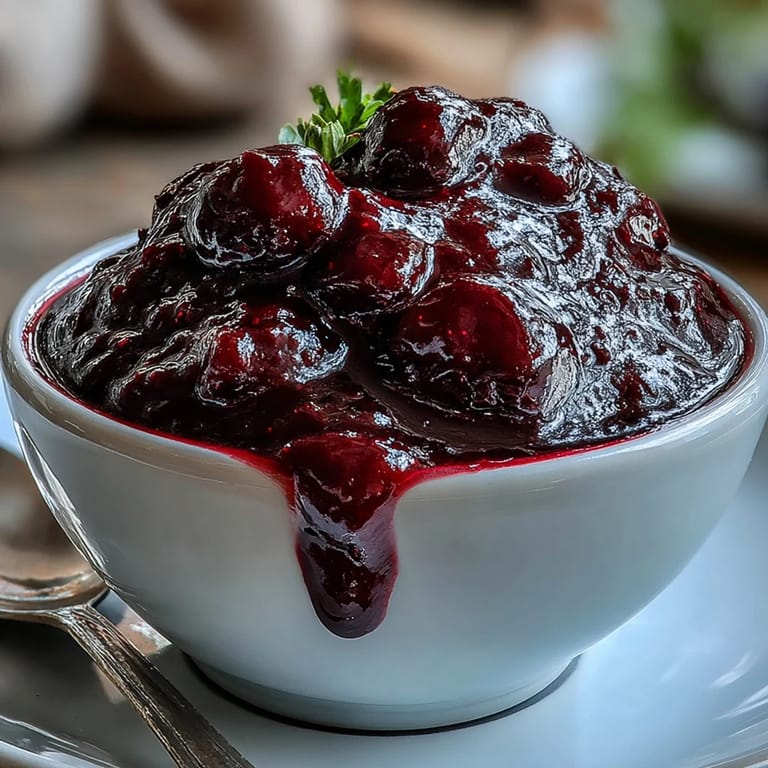
- Bring the whole thing to a gentle boil, then turn the heat down to low and let it simmer uncovered for 15–20 minutes, stirring occasionally. You're watching for the moment when the liquid reduces by about half and takes on a slightly syrupy consistency—it should coat the back of a spoon when you drag a finger through it.
- Strain and refine:
- Remove the thyme sprig and bay leaf with a spoon, then pour everything through a fine mesh strainer into a clean saucepan, pressing gently on the currants to extract every bit of flavor and juice. The solids go to the compost; what stays is pure, concentrated sauce.
- Finish with butter:
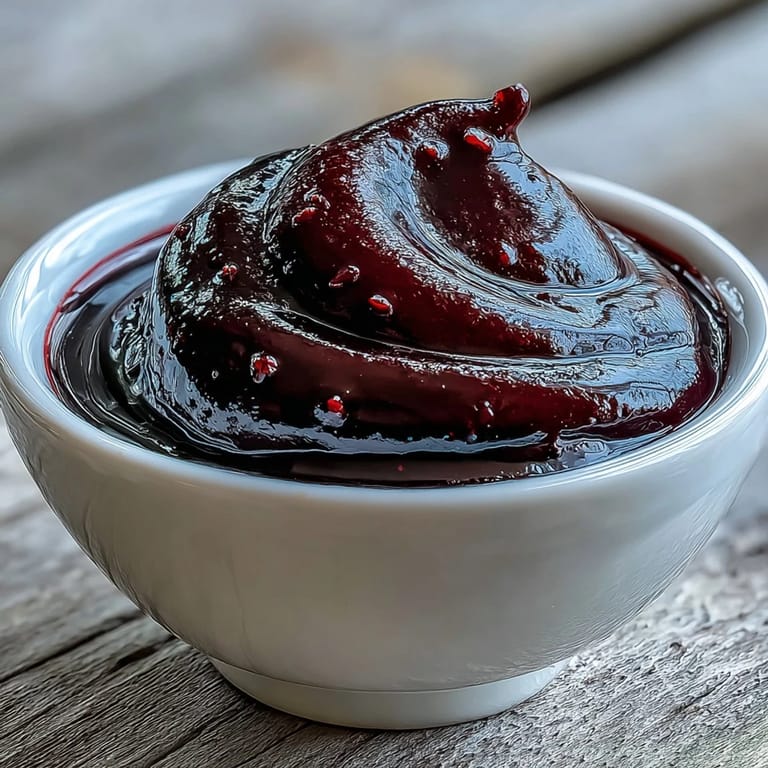
- Return the strained sauce to low heat and whisk in the remaining cold butter cubes one at a time, waiting for each to emulsify before adding the next. The sauce will transform from something a little thin to something silky and glossy, catching the light like it's been finished by someone who knows what they're doing.
- Taste and serve:
- Give it a final taste, adjust salt and pepper if needed, and pour it warm over your meat or charcuterie. If it's been sitting a while, a gentle reheat over low heat will bring back its shine.
 Save
Save There's a moment when you whisk in that last cube of cold butter and the sauce shifts from looking a little dull to becoming something that catches the light, and that transformation reminded me why technique matters in cooking. It taught me that a good sauce isn't complicated—it's just about understanding what each step is doing and respecting the process.
When to Make This Ahead
You can absolutely make this sauce a full day ahead, which is honestly one of my favorite things about it because it removes the stress of timing on dinner night. Store it in an airtight container in the refrigerator, and when you're ready to serve, gently reheat it over low heat with a splash of stock or water if it's thickened up more than you'd like—it will come back to life beautifully.
What to Serve It With
Duck is the classic pairing, but I've discovered this sauce is equally happy with pork chops, venison, beef tenderloin, or even spooned over roasted game birds. I've even set out a small bowl of it alongside a charcuterie board and watched people keep coming back for more, so don't limit yourself to just roasted meats—let the sauce guide your menu choices.
Variations and Flavor Tweaks
Once you understand the basic structure, you can play with it quietly—some people add a splash of crème de cassis for deeper fruit complexity, others finish with a tiny bit of Dijon mustard for an unexpected edge. If you find the sauce too sweet, a splash more vinegar at the end brings everything into sharper focus, and if you want it more herbaceous, a pinch of crushed juniper berries adds a woodsy note that works beautifully with game.
- For deeper fruit flavor, replace 1/4 cup of the red wine with crème de cassis and taste carefully before adding more sugar.
- If you're serving over something rich like duck confit, add an extra teaspoon of vinegar to cut through the fat.
- Make it a day ahead so flavors meld and you're not rushing on dinner night.
 Save
Save This sauce turned cooking from a task into a conversation between me and the people eating it, and that's really what kitchen skills are for. Make it, taste it, adjust it, and let it be the reason someone asks for your recipe at the end of the meal.
Recipe Questions & Answers
- → What meats pair best with black currant reduction?
The tangy-sweet profile complements rich, gamey meats exceptionally well. Try it with roasted duck breast, pork tenderloin, venison chops, or lamb. It also adds sophistication to charcuterie boards alongside pâtés and terrines.
- → Can I use frozen black currants?
Absolutely. Frozen currants work perfectly since they'll be cooked down and strained anyway. No need to thaw—just add them directly to the saucepan. The flavor remains consistent whether using fresh or frozen.
- → Why strain the sauce before finishing?
Straining removes the skins, seeds, and cooked aromatics, creating that velvety, smooth texture professional kitchens achieve. Press firmly on the solids to extract all those flavorful juices before discarding them.
- → How long will this keep in the refrigerator?
The sauce will keep for up to 5 days when stored in an airtight container. Gently reheat over low heat, whisking to re-emulsify. You may need to add a small pat of fresh butter to restore glossiness.
- → What's the purpose of adding cold butter at the end?
This technique, called monter au beurre, adds richness and creates that luxurious glossy finish. The cold butter emulsifies into the warm sauce, thickening it slightly while adding a velvety mouthfeel without making it heavy.
- → Can I make this alcohol-free?
Substitute the red wine with additional stock or grape juice for a non-alcoholic version. The flavor profile will shift slightly—you might want to increase the balsamic vinegar to maintain that tangy depth that wine typically provides.