 Save
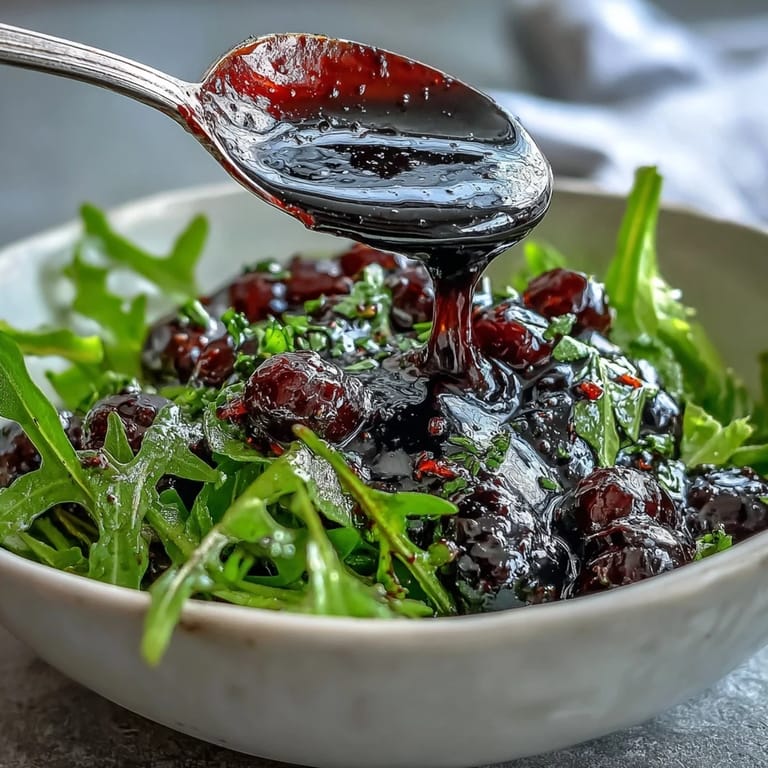
Save I discovered black currant vinaigrette by accident on a rainy Tuesday when I grabbed the wrong juice bottle from the back of my fridge. The deep purple liquid seemed too bold for a simple salad, but something about its tart intensity demanded to be whisked into something greater. That first drizzle over crisp spinach changed how I thought about dressing salads entirely—suddenly everything felt more alive, more intentional.
My neighbor stopped by one evening while I was tossing together a roasted vegetable bowl, and after one taste of the vinaigrette coating the beets and Brussels sprouts, she asked if I'd been secretly trained as a chef. I laughed and showed her the bottle of black currant juice sitting on my counter—proof that the best kitchen magic often comes from happy accidents and being willing to experiment with what's already there.
Ingredients
- Black currant juice: The star that makes this vinaigrette sing—unsweetened is essential because you need that pure, tart character without extra sugar interfering with the balance.
- Red wine vinegar or apple cider vinegar: Choose based on mood; red wine brings elegance while apple cider whispers sweetness and pairs beautifully with roasted vegetables.
- Fresh lemon juice: This brightens everything and keeps the dressing from tasting one-dimensional, adding a citrus note that feels cleaner than vinegar alone.
- Extra virgin olive oil: Quality matters here since it's doing half the work—a fruity, peppery oil transforms the texture and flavor into something luxurious.
- Dijon mustard: An emulsifier disguised as flavoring that helps the oil and vinegar actually stay friends instead of separating.
- Honey or maple syrup: Optional but wise if your black currant juice tastes aggressive; a teaspoon is enough to smooth rough edges without making it sweet.
- Shallot: Minced finely, it dissolves slightly into the vinaigrette and adds a whisper of onion complexity that feels sophisticated.
- Sea salt and black pepper: Taste as you go because these seasonings are the final adjusters that make it taste like yours, not someone else's recipe.
Tired of Takeout? 🥡
Get 10 meals you can make faster than delivery arrives. Seriously.
One email. No spam. Unsubscribe anytime.
Instructions
- Build your base:
- Pour the black currant juice, vinegar, and lemon juice into a medium bowl and add the mustard, sweetener if using, minced shallot, salt, and pepper. Whisk everything together until the mustard disappears into the liquid and the shallot bits are distributed evenly throughout.
- Emulsify with patience:
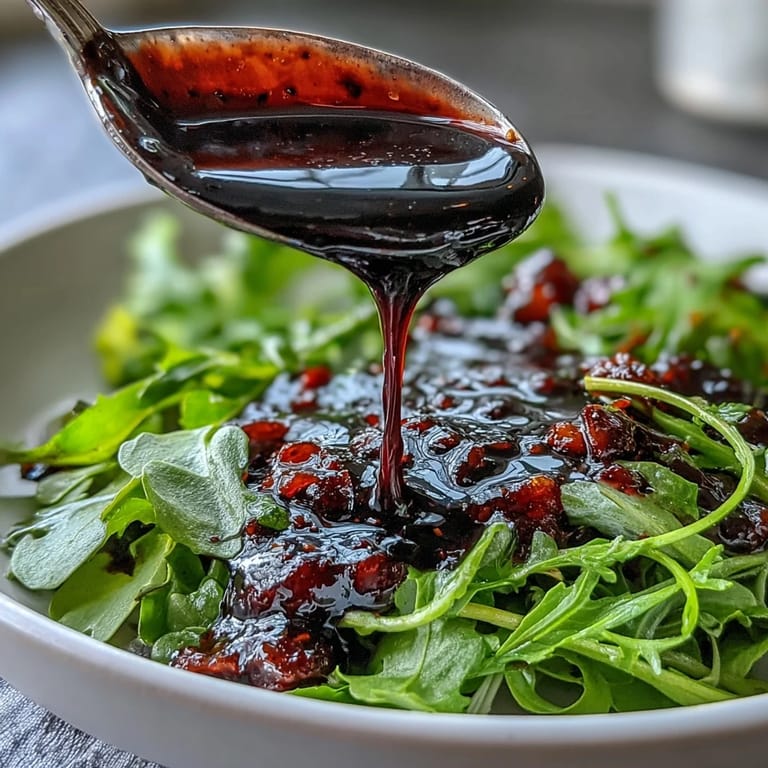
- Here's where the magic happens—slowly drizzle the olive oil while whisking continuously in one direction, watching as the mixture transforms from separated and thin into something creamy and cohesive. If you rush the oil, it splits; if you take your time, it becomes silky.
- Taste and trust yourself:
- Dip a clean finger in, touch it to your tongue, and ask yourself what it needs—more salt for depth, more pepper for zip, a touch of honey if the tartness still stings. This is your dressing, not mine.
- Store or use immediately:
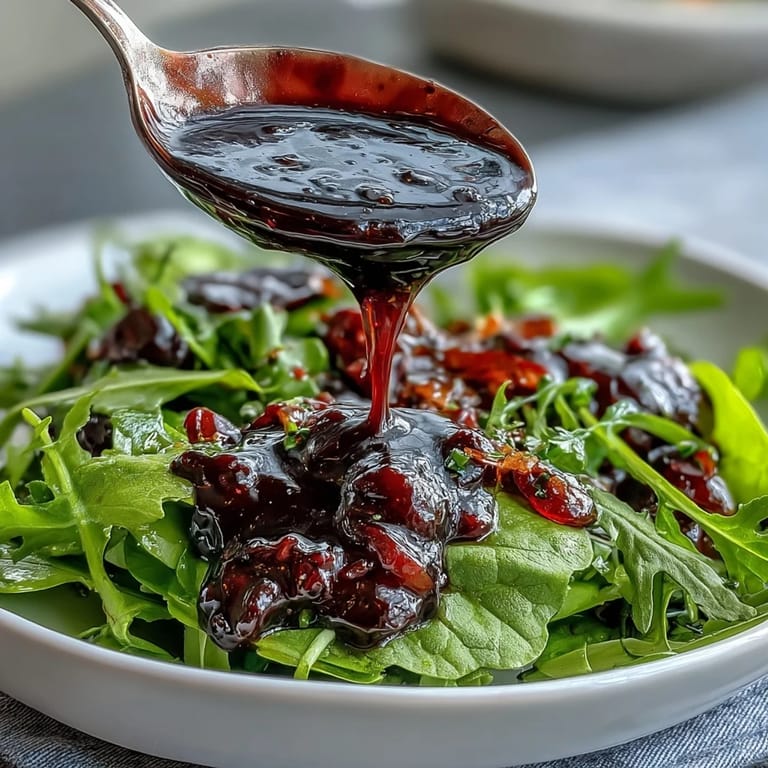
- Drizzle it straight over salad while the shallot is still fresh and perky, or pour it into a jar with a tight lid for up to a week in the refrigerator. Shake well before each use because separation is natural and harmless.
 Save
Save 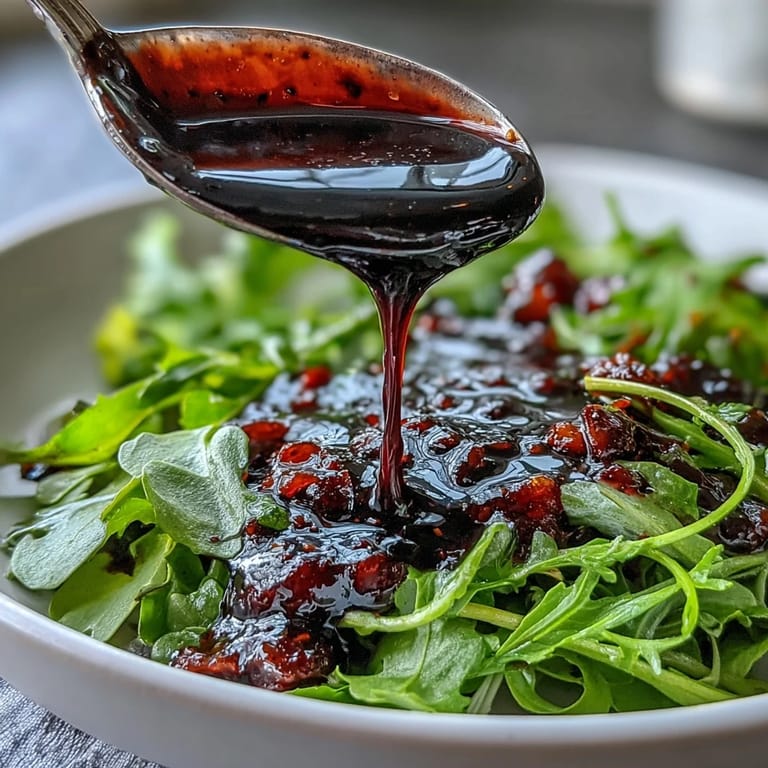 Save
Save One winter I brought this vinaigrette to a potluck, drizzled over roasted beets and goat cheese, and watched it sit untouched for fifteen minutes while everyone filled their plates with hot casseroles. Then someone tasted it, and something shifted—suddenly people were coming back for seconds of my salad, complimenting the color, asking about the mysterious purple gloss. That's when I realized good dressing doesn't need flash; it just needs to be genuinely delicious.
The Magic of Black Currant
Black currant isn't subtle—it's a bold fruit that tastes like concentrated tartness with hints of berry and something almost mineral. When you use it in vinaigrette instead of the usual balsamic or sherry vinegar, you're adding depth and intrigue that makes people pause mid-bite and wonder what they're eating. The flavor is strong enough to stand up to hearty greens and roasted vegetables but refined enough to work with delicate microgreens and fresh mozzarella.
Best Salads for This Dressing
I've learned through trial and error which combinations sing with this vinaigrette, and the winners surprised me. Roasted beets and goat cheese were obvious, but then I discovered it transforms bitter radicchio into something almost sweet, brings out the nuttiness in roasted Brussels sprouts, and makes plain spinach taste like the salad you've been craving all week. It's equally stunning over grain salads like farro or quinoa, where the tartness cuts through the earthiness beautifully.
When You Can't Find Black Currant Juice
I've substituted when the bottle wasn't available, and some swaps work better than others. Pomegranate juice gives you similar tartness but slightly less earthiness, while cranberry juice is brighter and works beautifully if you're okay with a more traditional flavor profile. Red currant juice tastes closer to the original, while black cherry juice adds sweetness you'll need to balance with more vinegar. The key is tasting and adjusting—this recipe is forgiving enough to handle experimentation.
- Pomegranate brings similar tartness and almost identical visual drama to your salad bowl.
- Cranberry works but tastes more conventional, so adjust other elements to make it feel intentional.
- Never skip the lemon juice; it's what keeps whatever juice you choose from tasting flat or one-note.
 Save
Save  Save
Save This vinaigrette has become the dressing I reach for when I want a salad to feel like more than an afterthought, something that transforms ordinary vegetables into a reason to linger at the table. Once you've made it once, you'll keep making it, because nothing store-bought will ever taste quite as good.
Recipe Questions & Answers
- → What does black currant vinaigrette taste like?
The flavor is distinctly tart and fruity from the black currant juice, with a pleasant sharpness from the vinegar. The olive oil provides smooth richness, while honey or maple syrup adds subtle sweetness that balances the acidity. The shallot contributes mild aromatic depth.
- → How long does homemade vinaigrette last?
This dressing keeps well in the refrigerator for up to one week when stored in a jar with a tight-fitting lid. The oil may solidify slightly when chilled—simply let it sit at room temperature for a few minutes and shake thoroughly before using.
- → Can I substitute other juices for black currant?
Absolutely. Pomegranate juice offers similar tartness with a deeper red color. Cranberry juice provides bright acidity, while cherry or grape juice give sweeter results. Each substitution creates a unique variation while maintaining the vinaigrette structure.
- → Why is Dijon mustard included in the dressing?
Dijon mustard serves as an emulsifier, helping the oil and vinegar blend into a smooth, cohesive mixture rather than separating. It also adds a subtle sharp flavor that complements the fruit juices and creates restaurant-style consistency.
- → What greens pair best with this vinaigrette?
The tangy profile beautifully complements robust greens like arugula, spinach, and kale. It also works wonderfully over tender butter lettuce, mixed spring greens, and particularly shines when drizzled over salads featuring goat cheese, roasted beets, or fresh berries.
- → Should I strain the shallot pieces?
This is purely a matter of preference. Straining through a fine mesh sieve creates a perfectly smooth, silky consistency ideal for delicate presentations. Leaving the shallot pieces intact adds pleasant texture and bursts of flavor—both methods are equally delicious.