 Save
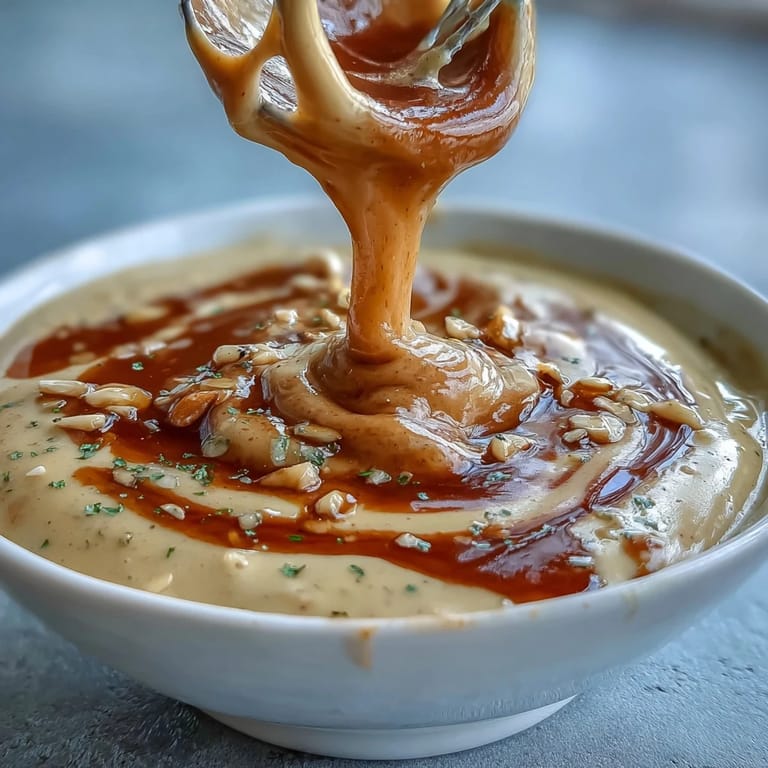
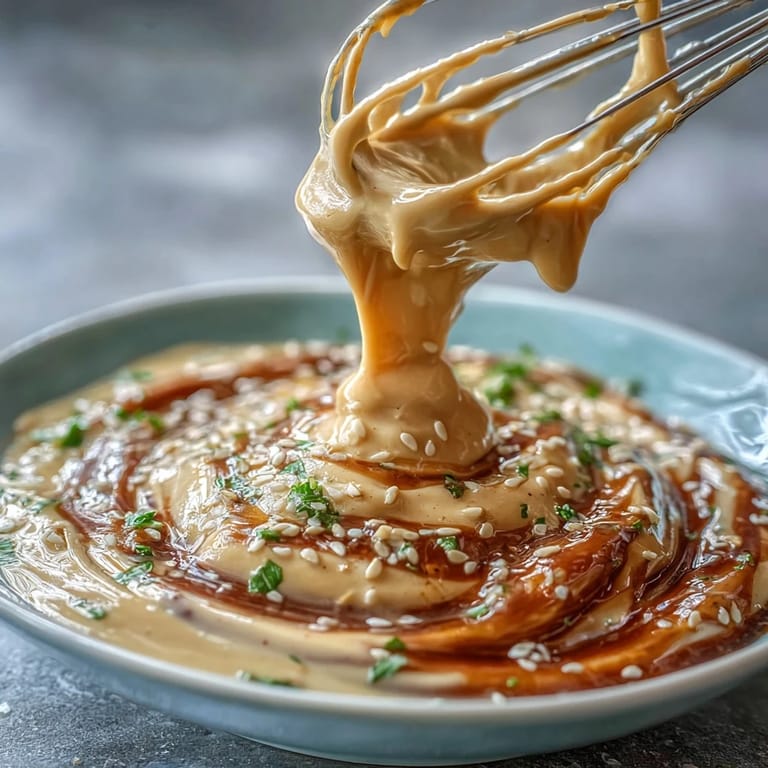
Save There's a particular moment in my kitchen when tahini dressing comes together that still catches me off guard—that exact second when the paste stops looking stubborn and grainy, and suddenly becomes silky and luxurious. It happened the first time I abandoned my fear of the ingredient and just started whisking, letting the lemon juice do its quiet magic. Now I make it almost weekly, sometimes without measuring, because it's become one of those sauces that makes everything taste intentional and alive.
I learned to make this properly when a friend who grew up in Beirut watched me make my thin, lemony version and gently suggested I was being timid with the tahini. She showed me how to trust the paste, how to let the emulsion happen naturally, and suddenly my dressing had body and dignity. That afternoon it went from something I made apologetically to something I served with pride.
Ingredients
- Tahini (sesame seed paste): This is your foundation, and quality matters more than you'd think—look for versions with just ground sesame seeds, nothing else added, or it'll taste bitter and flat.
- Fresh lemon juice: Bottled won't work here; the acidity is what transforms tahini from dense to creamy, and fresh lemons have that bright snap that keeps the dressing alive.
- Extra-virgin olive oil: This adds richness and a gentle peppery note that keeps everything balanced and elegant.
- Water: Start with two tablespoons, but keep more on hand because every tahini paste has a different thirst level, and you'll adjust as you go.
- Garlic, minced or grated: Grating it on a microplane gives you smaller, more dispersed pieces that distribute evenly rather than sharp little chunks.
- Maple syrup or honey (optional): Just a tablespoon smooths the edge of the lemon and garlic, rounding out the flavor without making it sweet—think of it as a quiet peacemaker.
- Sea salt: Fine salt dissolves and mixes faster than kosher, which matters when you're whisking by hand.
- Ground cumin (optional): A quarter teaspoon adds warmth and a subtle earthiness that makes people ask what the secret ingredient is.
Tired of Takeout? 🥡
Get 10 meals you can make faster than delivery arrives. Seriously.
One email. No spam. Unsubscribe anytime.
Instructions
- Build your base:
- In a medium bowl, whisk the tahini, lemon juice, olive oil, and two tablespoons of water together until it shifts from a thick paste to something creamy and loose. You'll feel the moment it changes.
- Add the personality:
- Whisk in the garlic, sweetener if you're using it, salt, and cumin, tasting as you go because everyone's preference for garlic intensity is different.
- Find your consistency:
- Water is your friend here—add it a tablespoon at a time, whisking between each addition, until the dressing reaches that perfect pourable-but-creamy stage that coats a spoon.
- Taste and adjust:
- This is where instinct matters more than rules; if it's too sharp, add a pinch more sweetness; if it's flat, a squeeze more lemon or a small pinch of salt will wake it up.
- Store or serve:
- Use it immediately while it's freshest, or keep it in an airtight container in the refrigerator where it'll hold for about five days, though it might thicken slightly as it sits.
 Save
Save I remember bringing this dressing to a potluck last spring, nervous because it seemed too simple, too minimal to matter. By the end of the night, someone had scraped the bowl clean with roasted vegetables and asked for the recipe, and then three other people added their own requests. That's when I understood that sometimes the most powerful dishes are the ones that get out of the way and let other ingredients shine.
When to Use This Dressing
This sauce is flexible in the way that only the best pantry staples are. Drizzle it over grain bowls where it clings to warm farro or quinoa, use it as a dip for raw vegetables or warm pita, spoon it alongside roasted vegetables where it pools in all the right places, or thin it slightly and use it as a sauce for grilled chicken or fish. I've even spooned it over avocado toast at breakfast when I was tired of the usual spreads.
How to Customize Without Losing the Soul
Fresh herbs are the easiest upgrade—a handful of chopped parsley, cilantro, or dill stirred in at the end adds color and a brightness that makes the dressing feel less like a condiment and more like a complete thought. Some people add a pinch of sumac for a lemony tanginess, or a tiny amount of pomegranate molasses for complexity. The key is restraint; you're enhancing, not transforming, so taste as you add and stop before you think you should.
- Herbs are forgiving: Add them just before serving so they stay vibrant and don't oxidize or wilt into nothing.
- Spices should be gentle: Ground cumin, sumac, paprika—use a light hand because they intensify as the dressing sits.
- Thin it for drizzling, keep it thick for dipping: Add water accordingly depending on how you're serving it.
Storage and Why It Matters
In the refrigerator, this dressing keeps for about five days, though by day three or four the flavors have mellowed slightly and it might have thickened as the tahini settles. A quick stir or a shake in a jar brings it back to life, and if it's gotten too thick, just whisk in a touch more water. I've learned to make it fresh every few days rather than in a large batch, because the taste and texture are noticeably better when it's just been made.
 Save
Save This dressing has become one of my unshakeable kitchen foundations, the kind of thing I make without thinking twice because I've learned it so completely. It's proof that sometimes the simplest recipes are the ones worth mastering.
Recipe Questions & Answers
- → How do I adjust the consistency?
Add water gradually, one tablespoon at a time, until the desired pourable texture is reached.
- → Can I make it spicier?
Yes, add a pinch of cayenne pepper or a dash of chili flakes for a mild heat boost.
- → What can I use instead of maple syrup?
Agave syrup or honey can substitute to balance the flavors naturally.
- → How long does it keep?
Store in an airtight container in the refrigerator for up to five days. Stir or shake before use.
- → Is it suitable for vegan diets?
Yes, use maple syrup or agave to keep it fully plant-based.
- → Can fresh herbs be added?
Chopped herbs like parsley, cilantro, or dill enhance the flavor when stirred in.