 Save
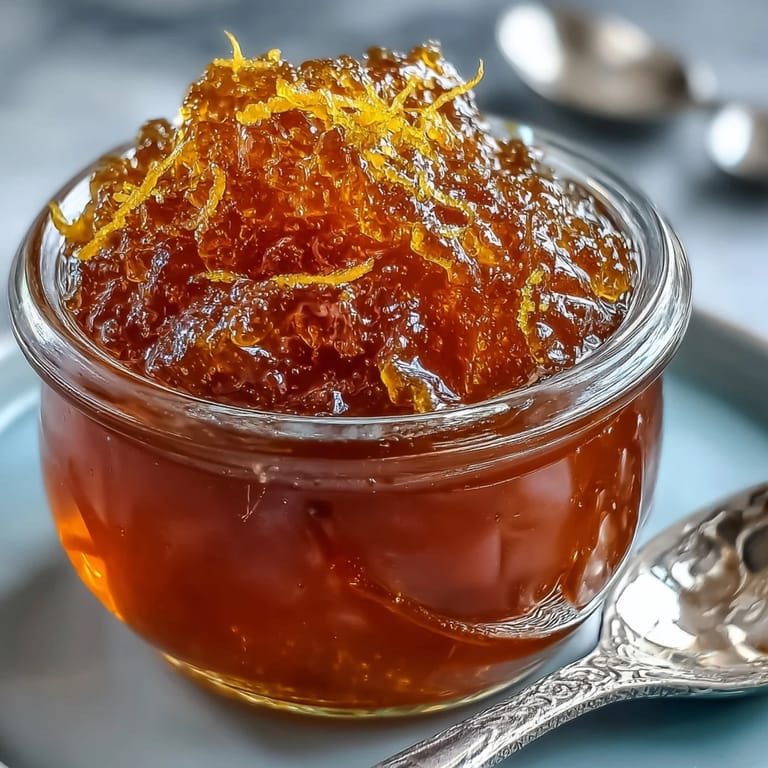
Save Last spring, I found myself kneeling in an overgrown corner of my yard, surrounded by dandelions that my neighbors probably cursed under their breath. Instead of pulling them out, I started plucking the yellow petals, wondering if anyone actually made anything from them beyond the childhood memory of blowing the seeds into the air. That afternoon, I decided to find out—and what emerged from my kitchen three hours later was a jar of liquid sunshine so vibrant it looked almost unreal sitting on my windowsill.
I brought a few jars to my neighbor's kitchen one morning, and she spread some on her toast while we drank coffee and talked about how weeds are just plants with bad PR. When she tasted it, her whole face changed—not in that polite way people do, but genuinely surprised. She texted me a photo that afternoon of the jar sitting front and center on her breakfast table, and I realized that something foraged and homemade carries a weight that store-bought things rarely do.
Ingredients
- Dandelion petals: Use only the bright yellow petals from pesticide-free dandelions, removing every bit of green because even a stray sepal will add bitterness that creeps up later.
- Water: This becomes your dandelion tea base, so use filtered water if your tap water tastes heavily chlorinated.
- Fresh lemon juice and zest: The acid cuts through the floral sweetness and keeps the jelly from tasting cloying or one-dimensional.
- Honey: Adds depth and a subtle warmth that sugar alone cannot replicate, though you'll taste it most in the first spoonful.
- Granulated sugar: Essential for setting, but resist the urge to reduce it or your jelly will stay a loose syrup.
- Powdered fruit pectin: This is your insurance policy that the mixture will actually gel.
Tired of Takeout? 🥡
Get 10 meals you can make faster than delivery arrives. Seriously.
One email. No spam. Unsubscribe anytime.
Instructions
- Harvest and prepare your petals:
- Rinse the dandelion blossoms gently and let them air-dry completely on a kitchen towel. Pinch off and discard every green sepal and stem, keeping only the sunny yellow petals—this step determines whether your jelly sings or falls flat.
- Steep the petals into tea:
- Combine the petals with water in a medium saucepan and bring everything to a boil, then lower the heat and simmer for 10 minutes while your kitchen fills with a delicate floral smell. Remove from heat and let it sit for another 30 minutes to deepen the flavor and color.
- Strain and measure your liquid:
- Pour the mixture through a fine mesh sieve or cheesecloth, pressing the petals gently to coax out every drop of golden tea. You should end up with about 3 to 3½ cups of dandelion tea, which is the foundation for everything that follows.
- Build your flavor base:
- Pour the strained dandelion tea back into a clean saucepan and stir in the lemon juice, lemon zest, and honey until everything is evenly distributed. Taste it at this point—it should smell bright and floral with a gentle citrus edge.
- Add the pectin and bring to a boil:
- Whisk in the powdered pectin slowly so it doesn't clump, then turn the heat to high and bring the mixture to a rolling boil, stirring constantly so the bottom doesn't scorch. The mixture should bubble vigorously across the entire surface.
- Add sugar and boil hard:
- Pour in all the sugar at once and stir until it dissolves, then bring everything back to a full, hard boil and maintain it for 1 to 2 minutes while stirring constantly. This brief, intense boil activates the pectin and ensures proper setting.
- Jar and seal:
- Remove from heat, skim away any foam from the surface with a spoon, then ladle the hot jelly into sterilized jars, leaving exactly ¼-inch of headspace. Wipe the rims clean with a damp cloth, place the lids on top, and screw the bands on until they are just snug—not tight.
- Process in a water bath:
- Carefully lower the jars into a pot of boiling water using a jar lifter or tongs, ensuring they are completely submerged with about 2 inches of water covering the tops. Boil for exactly 5 minutes, then remove the jars and set them on a clean kitchen towel to cool completely, undisturbed.
 Save
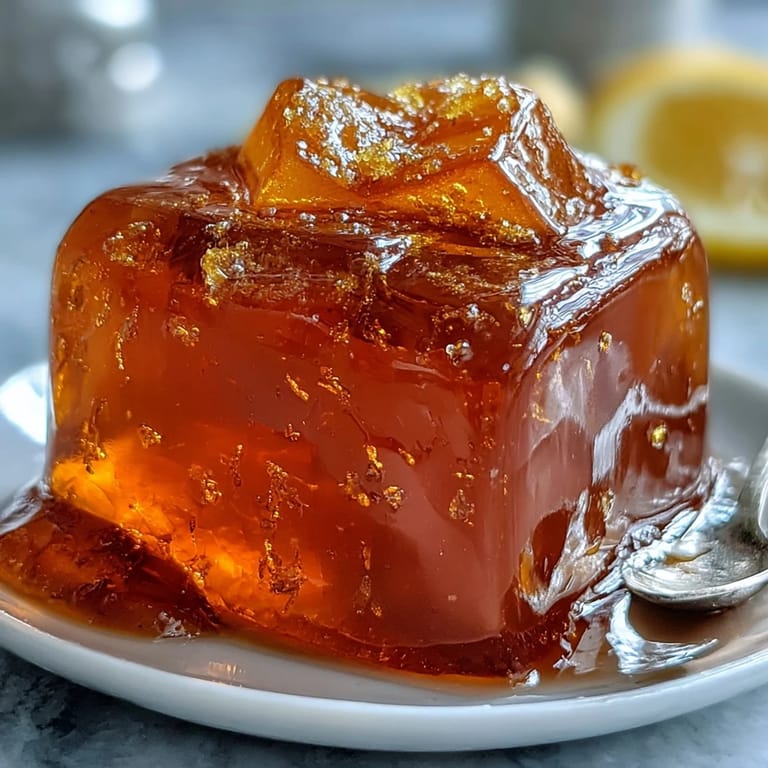
Save Days later, when the jars had set firm and I opened one to spread on my morning toast, I understood why people have been making jelly for centuries. There was something almost ceremonial about unscrewing that lid and finding that perfect wobble—the jelly jiggling slightly but holding its shape, the color so golden it seemed to glow. It tasted like the moment I decided to stop fighting my dandelions and start befriending them instead.
When to Pick Your Dandelions
Early spring through late spring is prime dandelion season, when the flowers are abundant and their flavor is brightest and least bitter. Pick them in the morning after the dew dries but before the afternoon heat sets in, and always choose flowers from yards or meadows you know have never been sprayed with pesticides or herbicides. If you're foraging from public land, make sure it's legal in your area and that the spot hasn't been treated recently.
Flavor Customizations
Once you've made this jelly once, you'll start imagining variations—I've added a vanilla bean split lengthwise during the steeping phase, infused it with a few dried rose petals, or stirred in a teaspoon of floral-tasting Pollen and Grace honey for extra complexity. The base recipe is flexible enough that you can experiment while staying true to the original, though I'd advise sticking to it on your first batch so you understand how all the components work together.
Serving and Storage Ideas
This jelly shines on warm scones with clotted cream, swirled into Greek yogurt with a drizzle of honey, or even spooned over vanilla ice cream on a warm evening. It keeps for at least a year in a cool, dark cupboard, though it rarely survives that long in my house.
- Spread it on pancakes or waffles instead of maple syrup for something unexpected and utterly delicious.
- Glaze a simple vanilla or almond cake with it for a garden-inspired dessert that tastes far more complicated than it is.
- Gift jars to friends who swear they don't like foraging, because this jelly has a way of changing minds.
 Save
Save There's something deeply satisfying about transforming a handful of wild flowers into something precious and shelf-stable, and even more satisfying when someone you care about tastes it and understands why you bothered. This jelly will make you see your yard—and spring itself—differently.
Recipe Questions & Answers
- → How do you prepare the dandelion petals?
Gently rinse the petals and remove all green sepals and stems, keeping only the yellow blossoms for a pure floral flavor.
- → What role does lemon play in this jelly?
Lemon juice and zest add a zesty brightness that balances the floral sweetness and enhances the overall flavor profile.
- → Can honey be substituted in this jelly?
Yes, honey can be replaced with agave syrup for a different sweetness or to accommodate dietary preferences.
- → How is the jelly set to the right consistency?
Powdered fruit pectin is whisked in and combined with sugar, then boiled to activate the setting process, ensuring a smooth, spreadable texture.
- → What are ideal pairings for this jelly?
This jelly pairs wonderfully with scones, pancakes, yogurt, or as a glaze to add a floral sweetness to desserts.