 Save
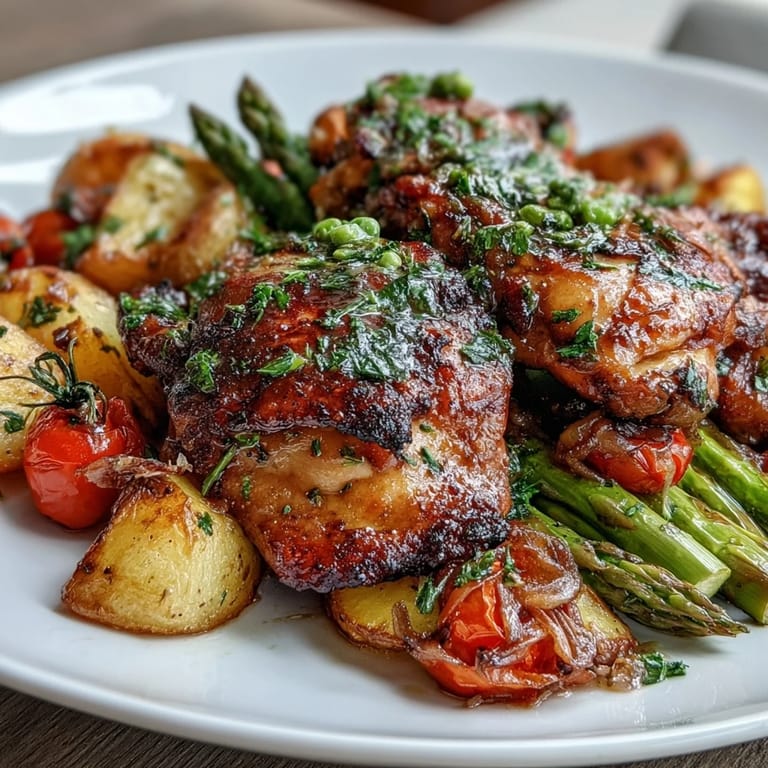
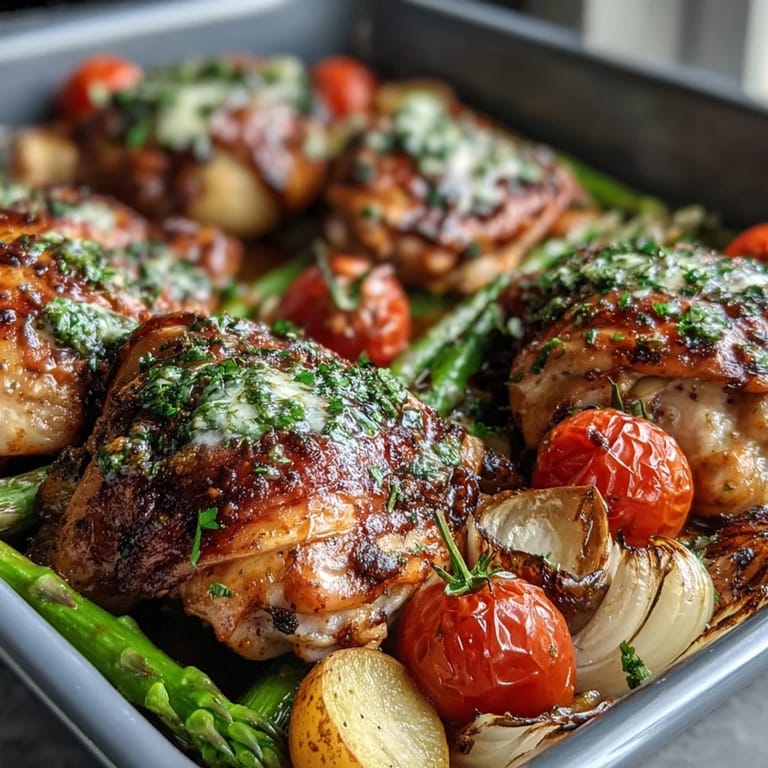
Save Last spring, I was standing at my kitchen counter staring at a pile of vegetables that needed eating and zero energy to fuss with multiple pans. My friend texted asking what was for dinner, and without thinking, I threw everything onto one sheet pan with chicken and roasted it. Twenty minutes later, the kitchen smelled incredible—garlicky, lemony, alive—and I realized I'd stumbled onto something that would become my go-to weeknight salvation. This sheet pan dinner has since rescued countless evenings when I wanted something wholesome but absolutely did not want to spend an hour cooking.
I made this for my parents last month when they were visiting, and my dad—who claims he doesn't like vegetables—went back for seconds. Watching him happily eat asparagus without complaining felt like winning the lottery. My mom asked for the recipe immediately, which is her way of saying she's making it next week.
Ingredients
- Boneless, skinless chicken breasts (4, about 1.5 lbs): Pound them gently to an even thickness so they cook at the same rate and stay tender; thighs work beautifully too if you prefer juicier meat.
- Asparagus (1 bunch, trimmed and cut into 2-inch pieces): Cut them uniform so everything finishes cooking together, and snap off those woody ends by hand.
- Cherry tomatoes (1 cup, halved): Halving them lets the heat concentrate their flavor and prevents them from rolling around the pan.
- Sugar snap peas (1 cup, trimmed): They stay crisp and sweet with this roasting method, adding a bright crunch to each bite.
- Baby carrots (1 cup, halved lengthwise): Halving them helps them cook through without turning mushy, and they caramelize beautifully at the edges.
- Red onion (1 small, sliced into wedges): Wedges keep them from scattering and they turn sweet and mellow when roasted.
- Yellow bell pepper (1, sliced): The natural sweetness intensifies with heat, creating little pockets of flavor throughout.
- Olive oil (3 tbsp): High-quality oil matters here since it's tasted directly; it carries all the flavor to every ingredient.
- Fresh lemon juice (2 tbsp): Never use bottled if you can help it; fresh juice is the difference between bright and flat.
- Garlic (2 cloves, minced): Mince it fine so it distributes evenly and flavors the whole pan without burning.
- Dijon mustard (1 tsp): It adds subtle depth and helps emulsify the dressing so it clings to everything.
- Honey (1 tsp): Just enough sweetness to balance the lemon and acidity, creating something complex.
- Dried oregano (1 tsp): Mediterranean herbs feel right with this combination and make your kitchen smell like summer.
- Dried thyme (½ tsp): Thyme whispers rather than shouts, adding earthiness without overwhelming.
- Salt and black pepper (½ tsp salt, ¼ tsp pepper): Taste as you go because you'll likely add more once everything is roasted.
- Fresh parsley (2 tbsp, chopped): The garnish that makes it feel intentional rather than thrown together, plus a little herbal freshness at the end.
- Lemon wedges (optional): For squeezing over the finished plate, giving people control over brightness.
Tired of Takeout? 🥡
Get 10 meals you can make faster than delivery arrives. Seriously.
One email. No spam. Unsubscribe anytime.
Instructions
- Heat your oven and prep the pan:
- Preheat to 425°F and line your sheet pan with parchment paper (trust me, cleanup is worth it). Having everything ready before you start makes the next steps feel effortless.
- Whisk the dressing:
- Combine olive oil, lemon juice, minced garlic, Dijon mustard, honey, oregano, thyme, salt, and pepper in a small bowl. Whisk until it's unified and slightly creamy, which means the mustard is doing its job of bringing everything together.
- Season the chicken:
- Coat the chicken with half the marinade:
- Lay the chicken breasts on the sheet pan and brush both sides generously with half your dressing. Don't be shy; this is where the flavor lives.
- Dress the vegetables:
- Toss all your cut vegetables in a large bowl with the remaining marinade until every piece has a light coating. This looks like a lot less dressing than you think you need, but it's exactly right.
- Arrange everything on the pan:
- Scatter the vegetables around the chicken in a single layer, trying to give everything a little breathing room. Crowding the pan means steaming instead of roasting, and roasting is where the magic happens.
- Roast until golden:
- Slide the pan into the oven for 25 to 30 minutes, watching for the chicken's internal temperature to reach 165°F and the vegetables to turn tender with slightly caramelized edges. The timing depends on your oven and the thickness of your chicken, so check at 25 minutes.
- Rest before serving:
- Let the chicken rest for 5 minutes once it comes out; this keeps it juicy when you slice it. Use this time to admire how good everything looks.
- Finish with garnish:
- Sprinkle fresh parsley over everything and serve with lemon wedges so people can adjust the brightness to their taste. A squeeze of fresh lemon at the table makes this already simple dish taste restaurant-quality.
 Save
Save There's something grounding about setting a simple, colorful dinner on the table that everyone actually wants to eat. This dish does that without drama or exhaustion, which feels like quiet victory on a regular weeknight.
Timing and Flexibility
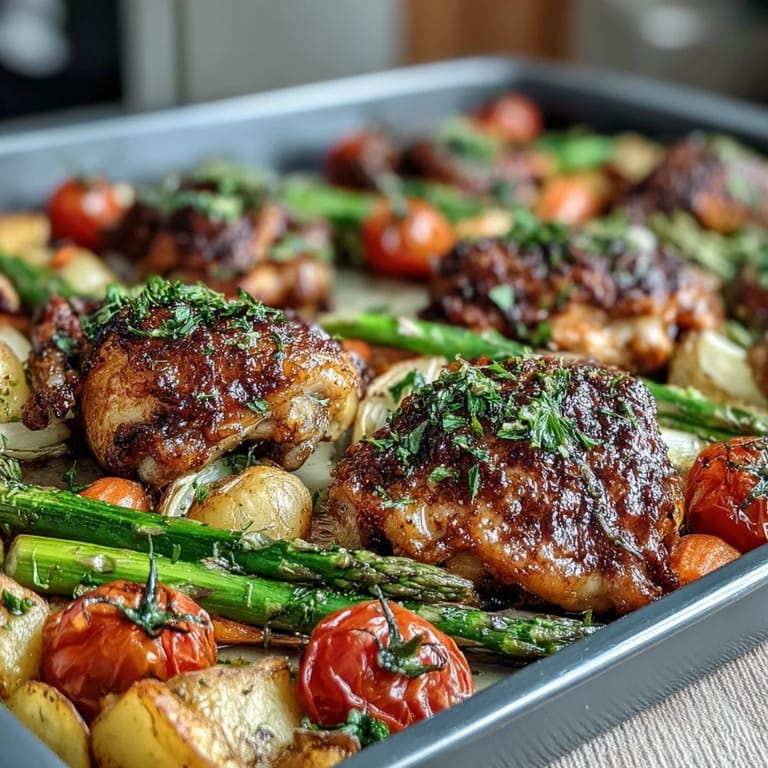
The beauty of sheet pan cooking is that it's forgiving within reason. If your vegetables are cut smaller, they'll finish faster; if larger, give them another five minutes. Start checking at 25 minutes rather than waiting until 30 because ovens vary wildly, and chicken breast is unforgiving once it's overcooked. I've learned to arrange softer vegetables like tomatoes toward the edges where it's slightly cooler, keeping them from collapsing into mush while the heartier vegetables like carrots sit closer to the center heat.
Vegetable Swaps and Variations
Spring vegetables are wonderful, but this formula works with almost anything in your crisper drawer. Zucchini, radishes, and baby potatoes all work, though potatoes need an extra ten minutes or so to become tender. I've made versions with broccoli in winter, green beans in summer, and whatever looked good at the farmer's market on a random Friday. The key is cutting everything to similar sizes so nothing waits around for anything else to finish cooking.
Flavor Boosters and Final Touches
Once you've mastered the basic version, you can play with small additions that transform it entirely. A sprinkle of crumbled feta at the end adds creaminess and tang, fresh herbs like dill or tarragon wake up different flavor notes, and a pinch of red pepper flakes gives a subtle heat that makes everything taste more interesting. Some nights I finish with a drizzle of aged balsamic, other times a scatter of toasted nuts for texture.
- Crumbled feta, goat cheese, or even a light dusting of Parmesan adds richness without heaviness.
- A splash of good balsamic vinegar at the very end brightens everything and adds depth.
- Red pepper flakes give you heat that builds slowly rather than shouting, making the dish more complex.
 Save
Save This recipe has taught me that simple food made with intention tastes better than complicated meals made with impatience. It's become my answer to 'what's for dinner' because it always delivers.
Recipe Questions & Answers
- → Can I use chicken thighs instead of breasts?
Yes, boneless skinless chicken thighs work well and can add extra moisture. Adjust cooking time as needed to ensure they are fully cooked.
- → What vegetables can I swap or add to this dish?
Other spring vegetables such as zucchini, radishes, or baby potatoes can be included. Keep in mind potatoes may require longer roasting.
- → How do I know when the chicken is done?
The chicken is cooked through when it reaches an internal temperature of 165°F (74°C) and juices run clear.
- → Can I prepare the marinade ahead of time?
Absolutely, the marinade can be mixed several hours in advance to deepen flavors and speed up prep.
- → What sides pair well with this sheet pan dish?
A crisp Sauvignon Blanc, light rosé, or a simple green salad complement the vibrant flavors nicely.