 Save
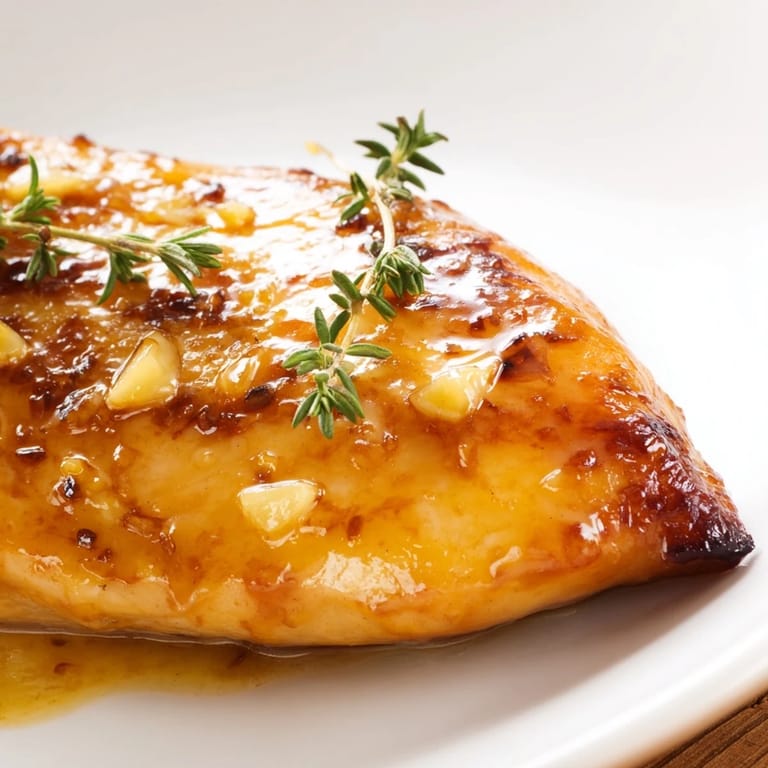
Save There was a Tuesday last fall when I got home late and opened the fridge with zero inspiration. I had chicken breasts that needed using and a jar of Dijon mustard I'd bought for sandwiches but never touched. That's when I remembered the honey bottle tucked in the back of the pantry. Sweet plus tangy—why not? I threw them together in a skillet and the kitchen filled with this warm, garlicky sweetness that made my whole evening feel different. What started as improvisation became the dinner I now crave on busy weeks.
I made this for my neighbor once when she mentioned she was tired of the same rotation of dinners. She texted me later asking if I'd opened a secret restaurant because her kids actually asked for seconds. It's funny how a simple skillet dish can feel like you put in way more effort than you did. I think it's the smell—honey caramelizing with garlic and herbs does most of the convincing before anyone even takes a bite.
Ingredients
- Boneless, skinless chicken breasts (about 1½ lbs): These cook quickly and evenly, but make sure to pat them completely dry before seasoning or they won't get that golden sear you want.
- Dijon mustard (1/3 cup): This is the backbone of the sauce, giving it sharpness and body without being overwhelming or one-note.
- Honey (1/4 cup): Balances the mustard's bite with gentle sweetness, and it helps the sauce cling beautifully to the chicken as it simmers.
- Whole-grain mustard (2 tablespoons): Adds little pops of texture and a deeper, slightly earthier mustard flavor that makes the sauce more interesting.
- Garlic (3 cloves, minced): Freshly minced garlic blooms in the hot pan and perfumes the entire dish, so don't skip this step or use jarred if you can help it.
- Apple cider vinegar (1 tablespoon): Cuts through the richness with a clean, bright acidity that keeps the sauce from feeling too heavy.
- Low-sodium chicken broth (1/2 cup): Loosens the sauce and lets everything simmer together without becoming too thick or sticky too fast.
- Fresh thyme (1 teaspoon) and rosemary (1 teaspoon, finely chopped): These herbs bring a woodsy, aromatic quality that pairs perfectly with chicken and mustard, though dried works in a pinch.
- Kosher salt (1/2 teaspoon) and black pepper (1/4 teaspoon): Season the chicken directly so the flavor goes beyond just the sauce.
- Olive oil (2 tablespoons): Gives you the fat you need for a good sear and keeps the chicken from sticking to the pan.
- Fresh parsley (optional, for garnish): A handful of chopped parsley at the end adds color and a hint of freshness that brightens each plate.
Tired of Takeout? 🥡
Get 10 meals you can make faster than delivery arrives. Seriously.
One email. No spam. Unsubscribe anytime.
Instructions
- Season the chicken:
- Pat each chicken breast completely dry with paper towels, then sprinkle both sides with salt and pepper. This simple step helps the seasoning stick and ensures a better sear.
- Sear the chicken:
- Heat olive oil in a large skillet over medium-high heat until it shimmers, then add the chicken breasts and cook for 3 to 4 minutes per side until golden brown. Transfer them to a plate and set aside.
- Cook the garlic:
- Lower the heat to medium, add the minced garlic to the same skillet, and sauté for about 30 seconds until it smells amazing but hasn't turned brown.
- Make the sauce:
- Stir in the Dijon mustard, whole-grain mustard, honey, apple cider vinegar, and chicken broth, whisking everything together until smooth. Bring the mixture to a gentle simmer.
- Add herbs and chicken:
- Toss in the thyme and rosemary, then nestle the seared chicken breasts back into the skillet and spoon some of that glossy sauce over the top.
- Simmer covered:
- Cover the skillet and let everything simmer for 10 to 12 minutes, or until the chicken reaches an internal temperature of 165°F. The sauce will bubble gently and the chicken will finish cooking through.
- Thicken the sauce:
- Remove the lid, increase the heat slightly, and simmer uncovered for another 2 to 3 minutes if you want a thicker, more concentrated sauce that coats the chicken beautifully.
- Garnish and serve:
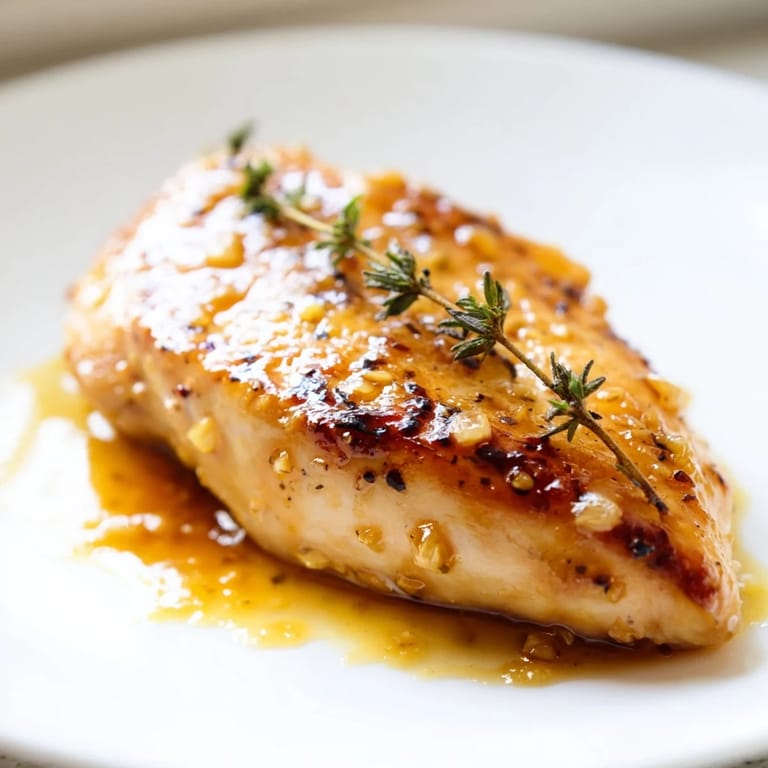
- Sprinkle chopped fresh parsley over the chicken and spoon extra sauce from the pan onto each serving.
 Save
Save One night I plated this over a pile of buttery mashed potatoes and my partner looked up mid-bite and said it tasted like something we'd order at a bistro. That stuck with me because it reminded me that cooking at home doesn't have to feel less-than. Sometimes the simplest combinations, done with a little attention, can make any weeknight feel special. This dish has become my go-to proof that you don't need fancy techniques to make something people remember.
What to Serve It With
I usually reach for rice because it soaks up the sauce like a dream, but mashed potatoes or even creamy polenta work just as well. Roasted vegetables—especially carrots, green beans, or Brussels sprouts—add color and a little crunch that balances the richness of the chicken. A simple green salad with a lemon vinaigrette on the side keeps things light and rounds out the plate without any extra effort.
Swaps and Variations
If you prefer dark meat, swap in boneless, skinless chicken thighs and cook them a minute or two longer since they're a bit thicker and more forgiving. For a creamier version, stir in a couple tablespoons of heavy cream at the very end and let it warm through for a silkier sauce. You can also add a handful of baby spinach or sliced mushrooms during the last few minutes of simmering if you want to sneak in extra vegetables without changing the vibe of the dish.
Storage and Reheating
Leftovers keep well in an airtight container in the fridge for up to three days, and the flavors actually deepen a little as they sit. Reheat gently in a covered skillet over low heat with a splash of chicken broth to loosen the sauce, or microwave in 30-second intervals, stirring in between. The chicken stays tender as long as you don't blast it with high heat, which can dry it out fast.
- Freeze individual portions in freezer-safe containers for up to two months if you want to meal prep ahead.
- Thaw overnight in the fridge and reheat gently on the stovetop for best texture.
- Add a drizzle of honey or a pinch of fresh herbs when reheating to bring back that just-cooked brightness.
 Save
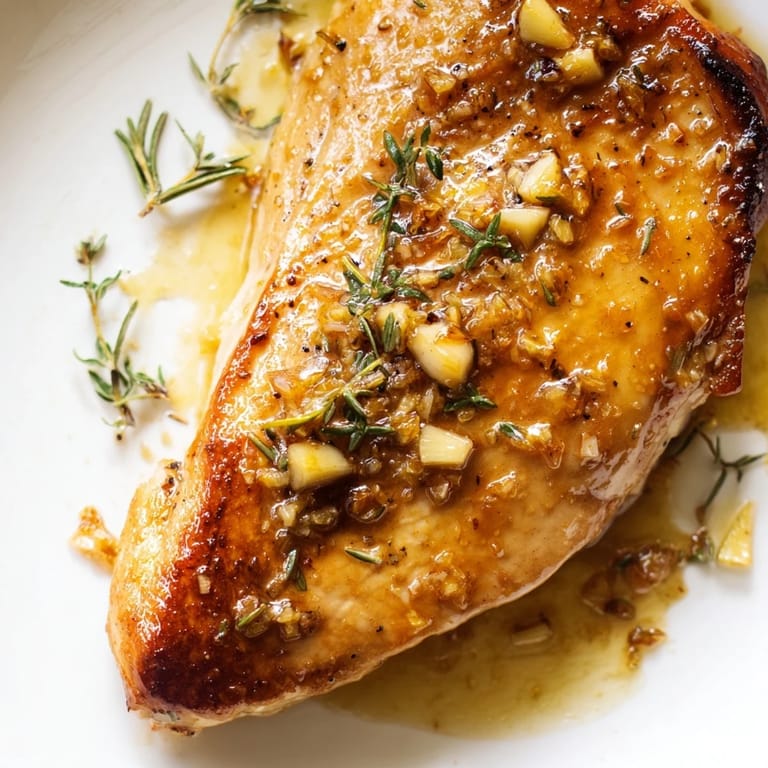
Save This skillet has pulled me through more busy weeks than I can count, and I love that it never feels like I'm cutting corners. Give it a try next time you need dinner to feel a little more special without the stress.
Recipe Questions & Answers
- → How do I know when the chicken is fully cooked?
The chicken is done when it reaches an internal temperature of 165°F (74°C) when measured at the thickest part with a meat thermometer. The meat should also be opaque throughout with no pink inside.
- → Can I use chicken thighs instead of breasts?
Absolutely! Chicken thighs are actually an excellent choice for this dish because they stay juicier during cooking. They may need an extra 5-10 minutes of simmering time compared to breasts, so check that internal temperature to be sure.
- → What's the best way to thicken the sauce?
After the chicken is cooked, simply uncover the skillet and simmer the sauce over medium-high heat for 2-3 minutes. This reduces the liquid and concentrates the flavors naturally. Alternatively, stir in a splash of heavy cream for a richer, thicker sauce.
- → Is this dish truly gluten-free?
As written, yes, but you must verify your ingredient labels. Most Dijon mustards and some chicken broths contain gluten or gluten-adjacent ingredients. Always check the packaging to ensure all components are certified gluten-free if this is a dietary requirement.
- → What vegetables pair well with this skillet?
Rice, mashed potatoes, and roasted vegetables are all excellent sides. Try roasted Brussels sprouts, asparagus, or green beans. A simple arugula salad also complements the sweet and tangy sauce beautifully.
- → Can I prepare this ahead of time?
You can marinate the seasoned chicken in the refrigerator for up to 24 hours before cooking. However, it's best to make the dish fresh for optimal texture and sauce consistency, though leftovers reheat well in a covered skillet over low heat.