 Save
Save The first time I tasted zarb, I wasn't in Jordan—I was in my friend Layla's backyard on a warm summer evening, and she'd decided to recreate her grandmother's recipe in a regular oven because, as she laughed, we didn't exactly have an underground pit handy. The smell alone stopped everyone mid-conversation: that layered perfume of cumin and cinnamon mingling with caramelizing lamb and sweet roasted vegetables. One bite and I understood why this dish had traveled with her family across deserts and time—it tasted like patience, like smoke, like home.
I made this for my book club last fall, back when I was still nervous about cooking 'authentic' dishes that weren't from my own family tradition. But as soon as I opened that foil-wrapped tray and the steam rose up fragrant and golden, my friend Marcus leaned over and said, 'This is restaurant-quality,' and suddenly I realized that cooking someone else's tradition with genuine care and respect is its own kind of authenticity.
Ingredients
- Lamb shoulder or chicken pieces (1.5 kg, bone-in): Bone-in pieces keep the meat juicy and add depth to the cooking liquid; shoulders have enough fat to stay tender during the long braise.
- Olive oil (2 tbsp): This carries the spices into the meat and helps everything brown gently.
- Ground cumin and coriander (2 tsp each): These two are the backbone—toasted and warm, they're what your nose remembers after dinner.
- Ground cinnamon (1 tsp): A whisper of sweetness that shouldn't announce itself, just deepen everything else.
- Smoked paprika (1 tsp): This brings the ghost of smoke when you can't use an actual pit.
- Ground black pepper and salt (1 tsp and 2 tsp): Season generously; the long cooking mellows harsh edges.
- Garlic and lemon juice: Four cloves minced and the juice of one lemon cut through richness and brighten the whole dish.
- Potatoes, carrots, onions, zucchini, and bell peppers: Cut large so they don't dissolve into the steam; they'll soften enough without falling apart.
- Tomatoes (2 medium, quartered): They add acidity and body to the final sauce without needing extra liquid.
Tired of Takeout? 🥡
Get 10 meals you can make faster than delivery arrives. Seriously.
One email. No spam. Unsubscribe anytime.
Instructions
- Massage the meat with intention:
- Mix oil, spices, garlic, and lemon juice in a large bowl, then add your meat and rub the marinade in as if you're helping the flavors sink into every surface. Let it sit covered in the fridge for at least an hour, overnight if you can—patience here pays back in tenderness.
- Prep and arrange:
- While the oven preheats to 180°C (350°F), arrange the marinated meat on a wire rack or roasting tray, then toss all your vegetables with a little olive oil, salt, and pepper. Nestle them around and underneath the meat so they'll catch all the dripping juices.
- Seal it tight:
- Cover the whole tray firmly with foil (banana leaves underneath add authenticity, then foil on top keeps moisture in). This is where the magic happens—the steam circulates and everything becomes incredibly tender.
- Bake low and slow:
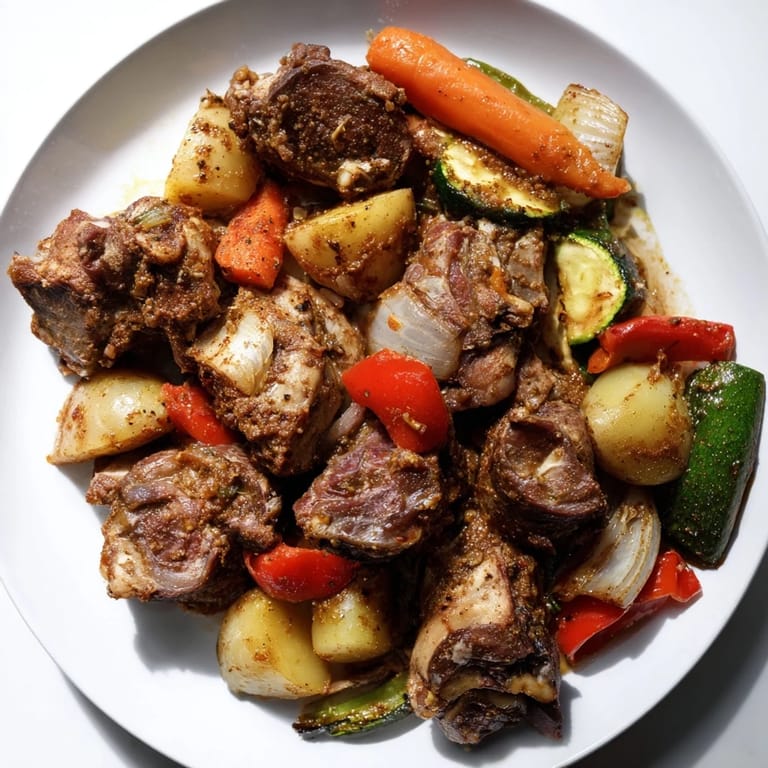
- Slide it into the oven for 2.5 hours, resisting the urge to peek. The meat should pull from the bone with barely any resistance when it's done, and the vegetables should be creamy inside with caramelized edges.
- Make rice if you want the comfort:
- In a saucepan, combine rinsed rice, broth, butter, and salt; bring to a boil, then cover and simmer 15–20 minutes until fluffy and the liquid is absorbed.
- Open and serve with ceremony:
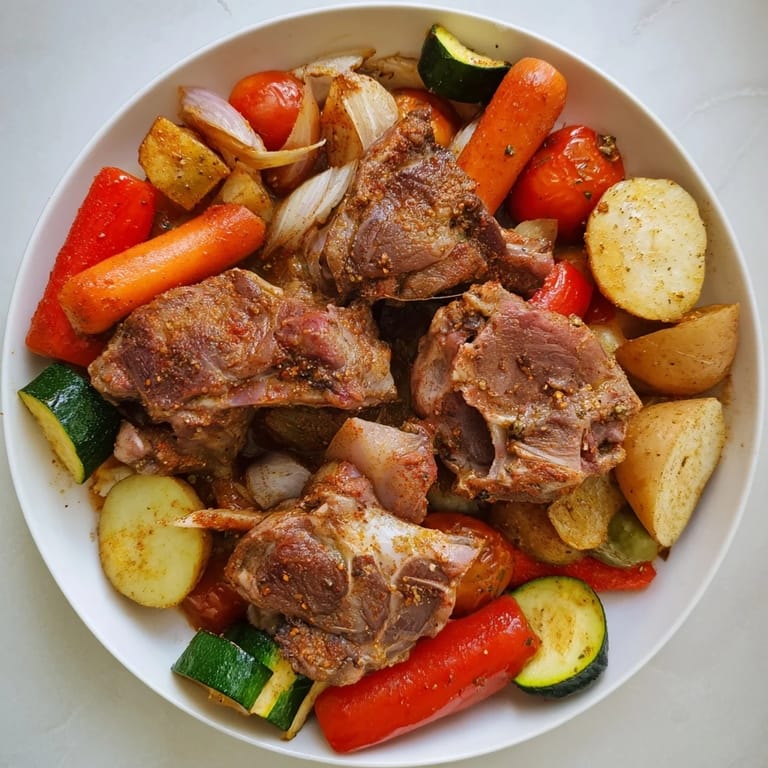
- Carefully unwrap the foil (watch the steam), transfer everything to a large platter, optionally over rice, and spoon those precious pan juices over top.
 Save
Save My neighbor, who grew up in Amman, came over to dinner that night I made zarb, and she got very quiet as she tasted it. Then she told me about her grandfather's farm and the huge clay tandoor where they'd cook for family gatherings, how everyone would gather around in the evening as the sun dropped and the smell of cumin and woodsmoke mixed with laughter. That's when I understood zarb isn't just a recipe—it's a way of saying 'stay, eat, belong.'
Why This Dish Asks for Time
Zarb's magic isn't in complicated technique; it's in respecting slowness. Two and a half hours might sound long until you realize you're not standing at the stove—you're free to set the table, pour drinks, tell stories. The low heat and sealed environment do something remarkable: every piece of meat and vegetable stays moist while the flavors layer and deepen, creating something that tastes like it took three times as long. It's one of those dishes that teaches you that in cooking, doing less often means achieving more.
Serving and Pairing
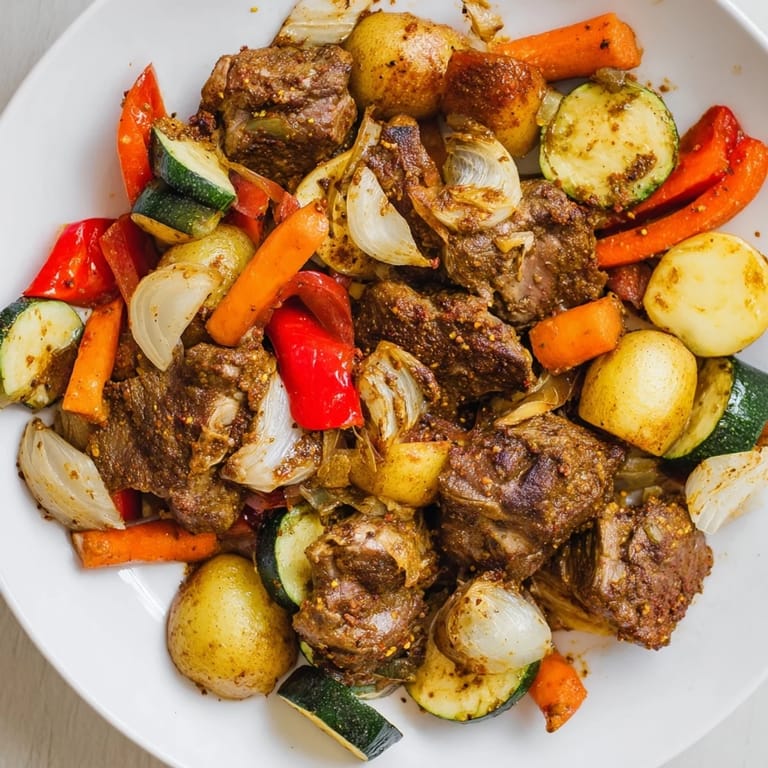
Zarb comes to the table best on a large platter where everyone can see the abundance—meat gleaming with juice, vegetables caramelized and soft, maybe mounded over fluffy rice. The tangy coolness of yogurt sauce on the side is essential, not optional; it cuts through the richness and makes every bite feel bright. Flatbreads are there to scoop and wrap, to make this meal tactile and intimate. If you want to drink something, a robust red wine complements the spices, though traditional mint tea cold or hot is equally perfect and feels more true to the tradition.
Bringing It Home
The beauty of making zarb in a home oven is that you're keeping a tradition alive while making it your own—no underground pit required, just respect for the craft and willingness to wait. This dish feeds six generously and leaves you with stories worth retelling, the kind of meal that makes people linger long after the plates are cleared.
- Bone-in pieces are non-negotiable; they keep the meat incredibly juicy and add richness to the pan juices.
- If you want to use chicken instead of lamb, choose bone-in thighs, which won't dry out like breasts would over 2.5 hours.
- You can substitute sweet potatoes or eggplant for any vegetable; just keep the pieces large so they hold their shape.
 Save
Save Every time I make zarb now, I think of Layla's grandmother and the generations who built this recipe in the sand and sun, and how a dish can travel and transform and still taste like home. Make this when you want to feed people not just food, but time and care and a little bit of wonder.
Recipe Questions & Answers
- → What meats can be used in Jordanian Zarb?
Lamb shoulder or chicken pieces with bone-in are traditional choices, either used alone or combined for robust flavor.
- → How are the meats and vegetables cooked?
They are marinated with spices and then slow-cooked either in an underground oven or a conventional oven wrapped tightly to retain moisture.
- → What spices are essential for authentic flavor?
Ground cumin, coriander, cinnamon, smoked paprika, black pepper, salt, garlic, and lemon juice contribute to the characteristic aromatic profile.
- → Can Jordanian Zarb be served with sides?
Yes, it is often accompanied by long-grain rice cooked in broth and sometimes served with yogurt sauce or flatbreads.
- → Are there variations in the vegetables used?
Core vegetables include potatoes, carrots, onions, zucchinis, bell peppers, and tomatoes; some variations add eggplants or sweet potatoes.
- → What is the recommended cooking time?
After marinating, cooking takes about 2.5 hours at 180°C or during the slow underground method until the meat is tender.