 Save
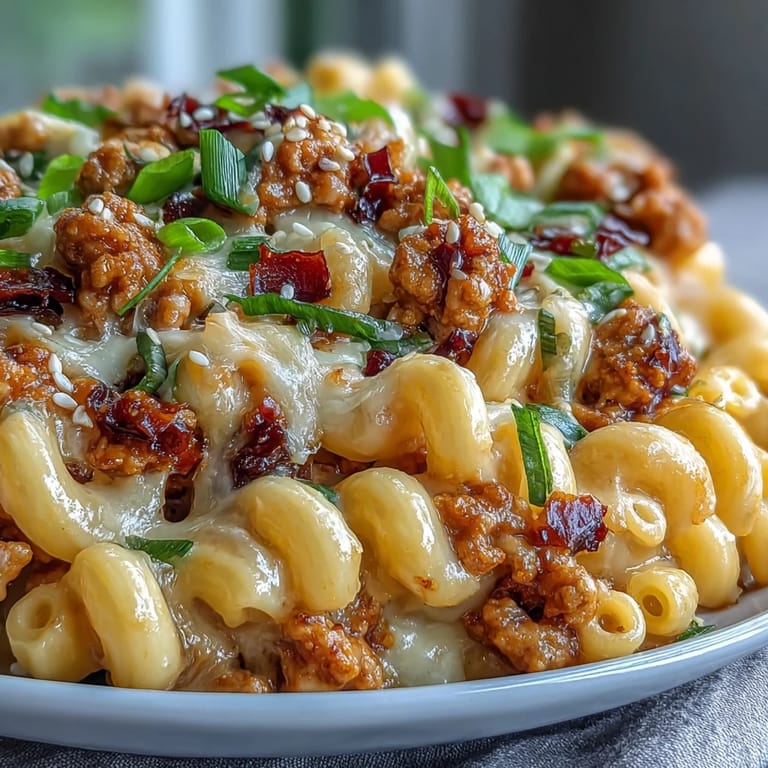
Save My coworker brought leftovers to lunch one day, and I watched her reheat this bowlful of creamy mac and cheese topped with glossy, spiced turkey crumbles. The steam rising from her desk smelled like butter, gochujang, and something I couldn't quite place until she explained the whole concept. I went home that evening determined to recreate it, and honestly, the first batch was better than hers because I added just a touch more sesame oil. Now it's the dish I make when I want something that feels both comforting and unexpectedly adventurous.
Last winter, I made this for friends who were skeptical about mixing Korean flavors with mac and cheese. One of them took a bite, paused, then went silent in that way that means you've done something right. By the end of the meal, they were scraping the bottom of the bowl and asking for the recipe written down. That's when I knew this wasn't just a casual fusion experiment anymore, it was something worth making again and again.
Ingredients
- Elbow macaroni (300 g): The shape matters because those little tubes trap the creamy sauce, and choosing a quality pasta means the texture stays tender without turning mushy.
- Unsalted butter (2 tbsp): This is your foundation for a smooth roux, so don't skip it or substitute with anything else.
- All-purpose flour (2 tbsp): This thickens your sauce and needs to cook out its raw taste, which is why we let it sit in the butter for a full minute.
- Whole milk (500 ml): Use the actual whole milk, not a substitute, because the fat content is what makes the final sauce silky instead of thin.
- Sharp cheddar cheese (150 g): The sharpness cuts through the sweetness of the honey in the turkey, creating a balanced flavor that feels sophisticated.
- Mozzarella cheese (60 g): This melts smoothly and adds a subtle creaminess without overwhelming the cheddar's flavor.
- Dijon mustard (1 tsp): A tiny amount adds depth and a whisper of tang that makes people wonder what the secret ingredient is.
- Ground turkey (400 g): Lean but forgiving, it absorbs the Korean flavors better than beef and is lighter than pork without being dry.
- Gochujang (2 tbsp): The heart of the topping, this fermented chili paste brings umami, sweetness, and a measured heat that doesn't bite back.
- Ginger and garlic: These aromatics bloom when hit with oil, releasing their warm, peppery essence that builds the dish's soul.
- Soy sauce, honey, and rice vinegar: Together they create a glossy glaze that's savory, slightly sweet, and subtly acidic.
- Toasted sesame oil (1 tsp): A small amount drizzled at the end brings nuttiness and prevents the turkey from tasting one-dimensional.
- Scallions and sesame seeds: These aren't just garnish, they're the final note that tells your brain this is something special.
Tired of Takeout? 🥡
Get 10 meals you can make faster than delivery arrives. Seriously.
One email. No spam. Unsubscribe anytime.
Instructions
- Cook the pasta first:
- Bring salted water to a rolling boil and add the macaroni, stirring occasionally so nothing sticks to the bottom. You're aiming for al dente, which means it should have a slight firmness when you bite it because it'll soften a bit more once it hits the hot cheese sauce.
- Brown the turkey:
- Heat oil in a skillet over medium-high heat until it shimmers, then add the turkey and break it apart with your spoon as it cooks. You want it fully cooked through without any pink remaining, which takes about 5 minutes if you stay focused.
- Build flavor with aromatics:
- Add minced garlic and grated ginger directly to the hot turkey and let them sizzle for exactly one minute. The whole kitchen should smell incredible at this point, and if it doesn't smell assertively gingery and garlicky, you haven't cooked them long enough.
- Create the glaze:
- Stir in gochujang, soy sauce, honey, rice vinegar, and sesame oil, mixing until the turkey is evenly coated in this glossy sauce. Let it simmer for 2 to 3 minutes while it thickens slightly and the flavors marry together.
- Make a proper cheese sauce roux:
- Melt butter over medium heat, then whisk in flour and let it cook for one full minute, stirring constantly so it doesn't brown. This step tastes like nothing special, but it's essential because it cooks out the raw flour taste and prepares the flour to thicken your milk.
- Whisk in milk slowly:
- Pour milk in gradually while whisking continuously, which prevents lumps from forming and creates a smooth, silky base. Watch the mixture thicken over 3 to 4 minutes, and when it coats the back of a spoon, you're done.
- Add the cheese and seasonings:
- Remove the saucepan from heat and stir in cheddar, mozzarella, mustard, salt, and pepper, stirring until everything melts into a creamy sauce. Taste it and adjust seasoning if needed because this sauce is the soul of the whole dish.
- Combine everything:
- Toss the drained macaroni with the cheese sauce, using a gentle hand so you coat every piece without breaking the pasta. The mixture should look creamy and luxurious, not dry or chunky.
- Plate and top:
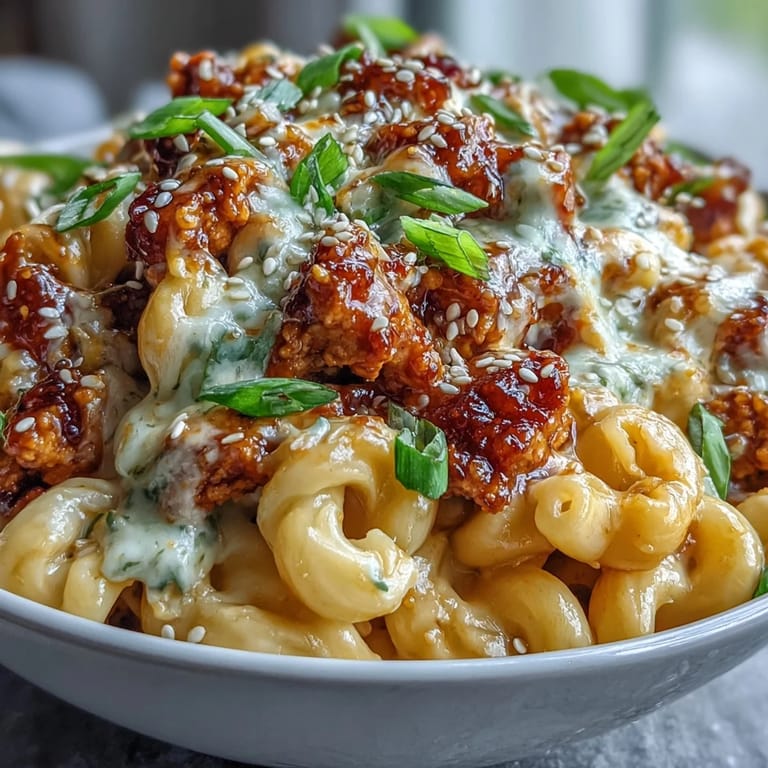
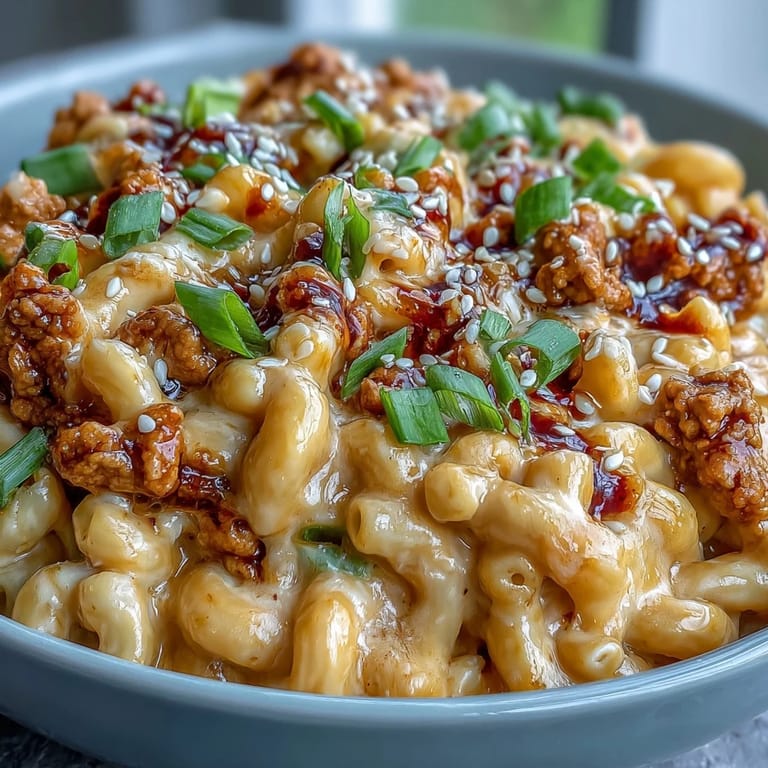
- Divide the mac and cheese among bowls and spoon a generous amount of the Korean turkey crumbles on top of each serving. The contrast between the creamy pasta and the glossy, slightly spiced meat topping is where all the magic happens.
- Finish with garnish:
- Scatter sliced scallions over the top and sprinkle sesame seeds if you have them, which adds both flavor and a visual signal that this is no ordinary mac and cheese.
 Save
Save 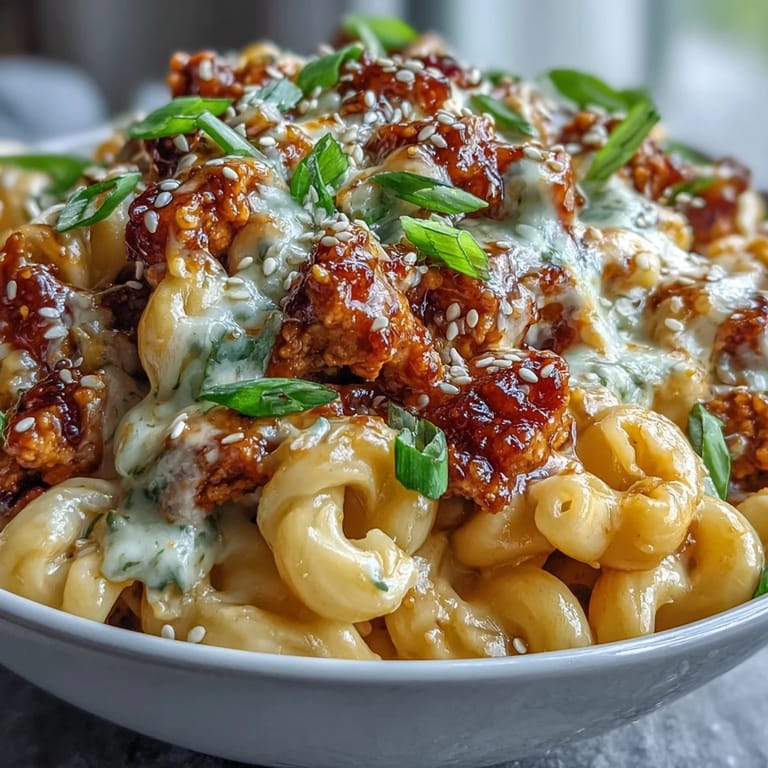 Save
Save My sister asked me to bring something to a potluck where she knew everyone would bring the same predictable casseroles. When I showed up with this Korean turkey mac and cheese, the table went quiet for a second, and then people actually fought over the last scoop. That moment taught me that sometimes the best dishes are the ones that remind people food can surprise you in the best way.
Why This Fusion Works
Korean flavors thrive on contrast: heat against sweetness, umami against acidity, and bold spices against creamy textures. Mac and cheese is essentially a blank canvas that welcomes these bold flavors without any resistance. The cheddar's sharpness mirrors how gochujang's fermented intensity works, so rather than clashing, they create a depth that neither ingredient achieves alone. I've tried this with other toppings, but the Korean turkey is the only one that feels intentional, not just thrown on top.
Timing and Make-Ahead Options
You can prep the turkey mixture up to 2 days ahead and reheat it gently before serving, which makes weeknight dinners less chaotic. The cheese sauce is best made fresh because reheating can sometimes make it separate, though if you do have leftovers, reheat them over low heat with a splash of milk and constant stirring. The macaroni should be cooked fresh right before serving so it maintains its texture, but honestly, I've eaten the leftovers cold straight from the fridge and they're still satisfying, just in a different way.
Customization and Variations
If you're not a turkey person, ground chicken works beautifully and stays even more tender, while beef will give you a richer, heavier dish that appeals to different moods. The amount of gochujang is forgiving, so if you prefer less heat, use 1½ tablespoons instead. For extra depth, a small pinch of gochugaru (Korean red chili flakes) stirred into the turkey at the very end adds complexity without overwhelming heat, while tamari substitutes perfectly for soy sauce if you're avoiding gluten.
- Add a handful of shredded pickled daikon for a bright, crunchy contrast that cuts through the richness.
- Stir in a beaten egg or two and broil the whole dish for 3 minutes to create a crispy top layer that shatters when you dig in.
- Swap the mozzarella for smoked gouda if you want to introduce a subtle smokiness that pairs surprisingly well with the Korean flavors.
 Save
Save 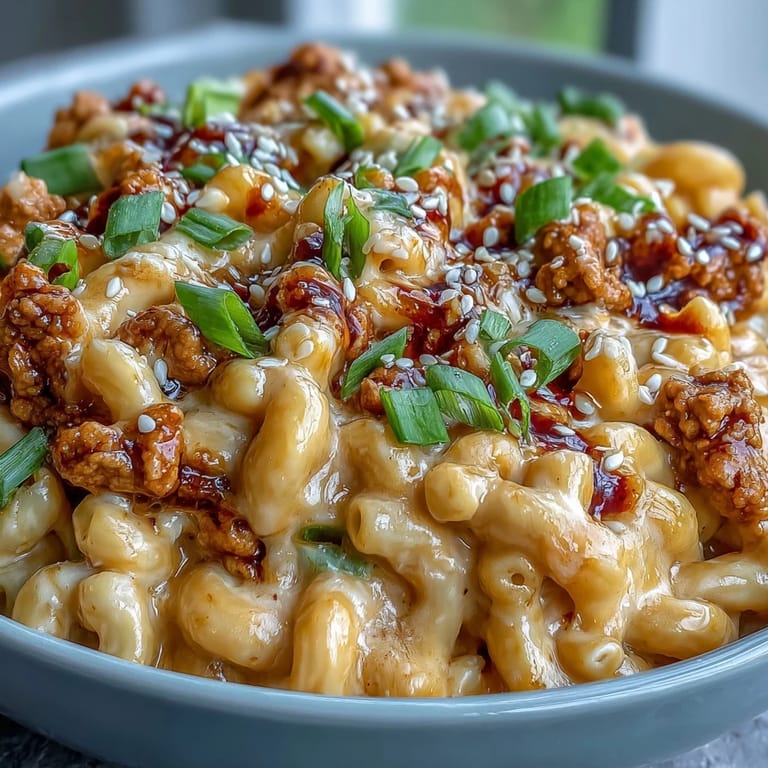 Save
Save This dish taught me that the best recipes are the ones that feel personal while still feeding other people beautifully. Make it once and you'll understand why it deserves a permanent spot in your cooking rotation.
Recipe Questions & Answers
- → What makes this Korean-style?
The turkey is seasoned with gochujang (Korean chili paste), soy sauce, honey, rice vinegar, garlic, ginger, and sesame oil—classic Korean flavors that create a sweet-spicy glaze.
- → Can I make it gluten-free?
Yes. Use gluten-free macaroni, replace all-purpose flour with a 1:1 gluten-free flour blend, and use tamari instead of soy sauce. Always check that your gochujang is certified gluten-free.
- → Can I substitute the ground turkey?
Ground chicken or beef work equally well with the Korean glaze. The cooking time remains the same—just cook until no longer pink before adding the sauce.
- → How spicy is this dish?
Gochujang provides mild to medium heat with a slightly sweet finish. For more spice, add gochugaru (Korean chili flakes) to the turkey while simmering.
- → Can I make this ahead?
The mac and cheese and Korean turkey can be made separately up to 2 days ahead. Reheat gently, adding a splash of milk to loosen the cheese sauce if needed.
- → What cheese works best?
Sharp cheddar provides bold flavor while mozzarella adds creaminess and melt. You can also add gruyère or fontina for extra depth.