 Save
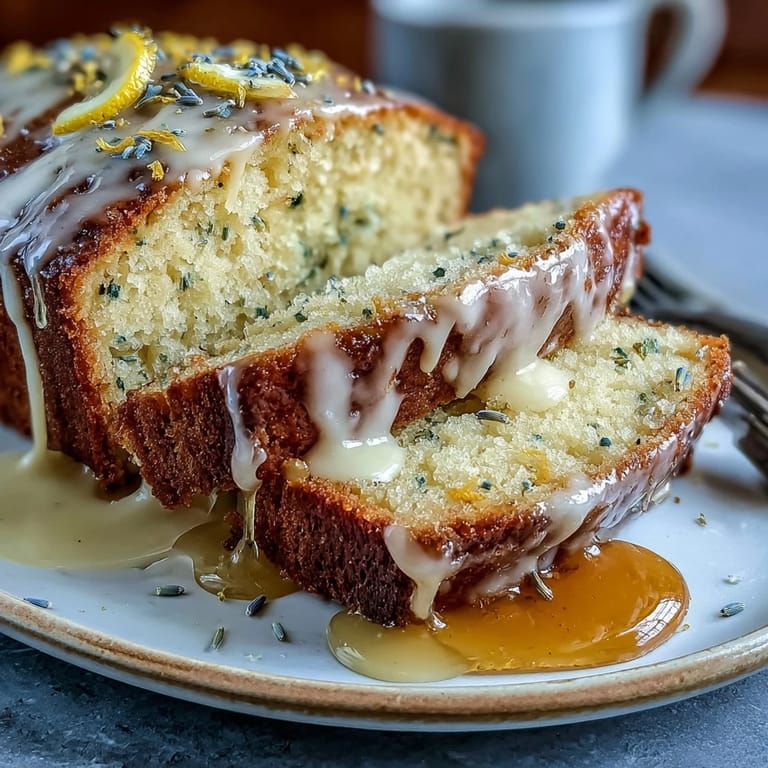
Save The first time I made this Lemon Lavender Loaf Cake, the whole kitchen filled with a mingled scent of citrus and sweet flowers—unexpectedly calming on an otherwise chaotic spring afternoon. The bright zip of lemon zest and the floral accent of lavender buds coil together so naturally that even assembling the batter feels a little buoyant. I actually caught myself humming as I zested the lemons, the aroma making the mundane feel just a bit more special. Later, the honey glaze turned glossy as sunlight pooled on the countertop, and I couldn’t resist licking a dab from the whisk. There’s something meditative in the little steps, from creaming the butter to drizzling that final golden glaze.
Last summer, I baked this loaf for a lazy Sunday picnic with friends. Watching them tear into thick, buttery slices under the shade of our favorite old tree became the highlight—especially when one friend confessed she’d never tasted anything ‘so lovely it made her want to eat more slowly.’ Seeing tea poured and crumbs gather on napkins, I realized the magic was in the moments this gentle cake brought out.
Ingredients
- All-purpose flour: Gives the loaf its structure—make sure to spoon and level for a tender crumb.
- Baking powder & baking soda: The balance of both ensures a gentle rise and lightness without becoming dry.
- Salt: Just a pinch sharpens all the sweet floral notes—don’t skip it.
- Culinary dried lavender buds: Just the right amount brings a graceful floral hint without being soapy; always use culinary-grade for safety and best flavor.
- Lemon zest: Adds punchy citrus brightness—zest directly over your mixing bowl to capture the fragrant oils.
- Unsalted butter: Brings moisture and richness, especially if truly at room temperature.
- Granulated sugar: Sweetens and contributes to the crust—creaming it well with butter gives you a fluffy base.
- Eggs: Provide essential structure and richness; room temperature makes everything mix beautifully.
- Greek yogurt or sour cream: Adds tang and moistness, keeping the crumb soft without heaviness.
- Whole milk: Combines with the yogurt for a delicate, not-too-dense crumb—if you have time, infuse the milk with lavender for extra depth.
- Fresh lemon juice: Lifts the flavor all the way through; freshly squeezed makes a big difference.
- Pure vanilla extract: Rounds out the sweetness and brings a little extra warmth.
- Powdered sugar: Sifted for a smooth glaze that drapes perfectly over the loaf.
- Honey: Adds floral sweetness to the glaze, echoing the lavender in the cake.
Tired of Takeout? 🥡
Get 10 meals you can make faster than delivery arrives. Seriously.
One email. No spam. Unsubscribe anytime.
Instructions
- Prepare the pan:
- Grease and line a 9x5-inch loaf pan with parchment so the cake releases effortlessly—corner folds can be tricky but make for easy lifting later.
- Mix dry ingredients:
- Whisk flour, baking powder, baking soda, salt, lavender, and lemon zest together, noticing how the lavender and zest perfume the bowl even before you start baking.
- Cream butter and sugar:
- Beat until pale and fluffy, scraping the bowl often—the mixture should feel light like spreadable frosting.
- Add the eggs:
- Incorporate eggs one at a time on low speed; each should disappear into the batter before moving on.
- Stir in wet ingredients:
- Add yogurt, milk, lemon juice, and vanilla, blending until things look creamy and smooth—bits of zest might cling to the whisk, and that’s a good sign.
- Combine everything:
- Slowly add dry ingredients, mixing just until the last pockets of flour disappear—overmixing risks making the loaf tough, so stop while it’s still a little lumpy.
- Bake:
- Spoon the batter evenly into the pan and smooth the top. Bake in a 350°F oven for 45–50 minutes, testing at the end with a toothpick—it should come out clean or with a crumb or two.
- Cool the loaf:
- Let it cool in the pan for 10 minutes so it sets up, then transfer the loaf to a rack for a complete cool-down before glazing.
- Prepare the glaze:
- Whisk powdered sugar, honey, and lemon juice in a small bowl; it should be thick but pourable, gently pooling as you drizzle it over the cooled cake.
- Finish and serve:
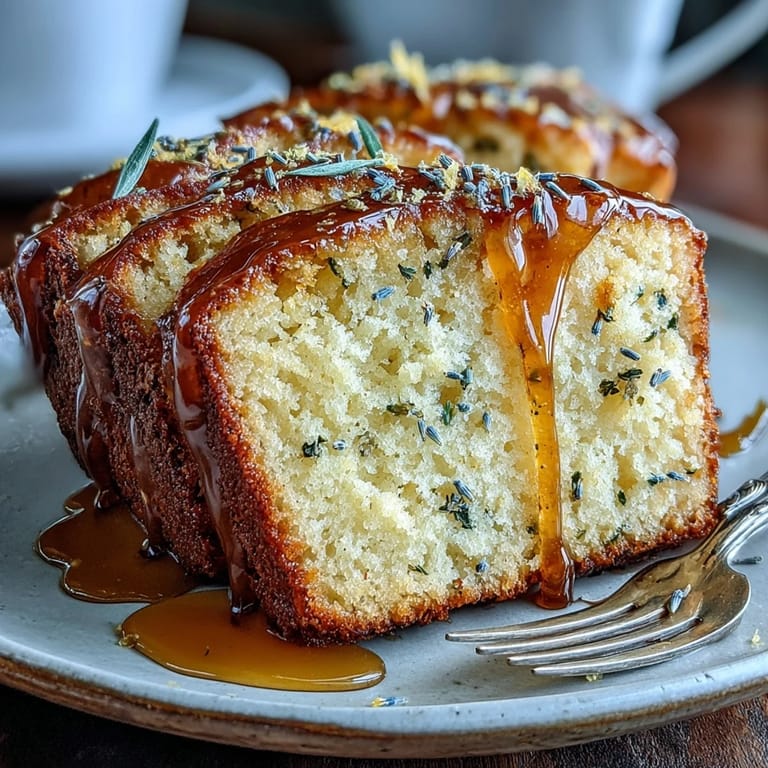
- Generously rain the glaze over the loaf, letting it run down the sides in ribbons. Slice thick or thin and serve with tea or a light fruit salad on the side.
 Save
Save  Save
Save After a busy workweek, sharing a freshly baked slice with my neighbor over the fence (barefoot, with mugs of tea in hand) unexpectedly made this loaf feel like an offering of care. The easy chatter and almost shy thank you made me love the recipe even more, seeing how food quietly stitches people together.
Garnish and Presentation Ideas
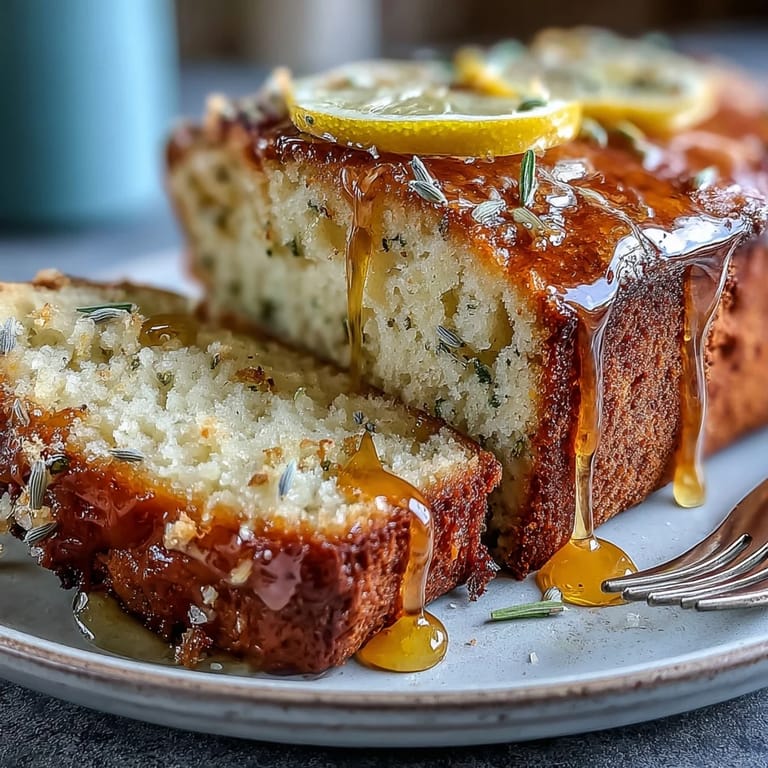
A sprinkle of dried edible lavender or a dusting of extra lemon zest offers instant elegance—no need for complicated decorations. Sometimes I'll lay a few thin lemon slices across the top before serving, especially when I'm looking to impress guests who eat with their eyes first.
Tips for Working with Lavender
It’s tempting to toss in more lavender thinking it’ll boost the floral flavor, but too much can veer into perfumey territory. Crushing the buds lightly in your hands before adding them to the batter helps release the oils and intensify the lovely aroma without overpowering the whole cake.
Swaps, Additions, and Happy Accidents
If you’re out of lemons, oranges work beautifully and bring their own sunny character. Once, out of yogurt, I used sour cream and it gave the loaf a tender crumb that everyone raved about—don't be afraid to swap. A scattering of chopped pistachios on top can also add crunch and color, especially if you want a little surprise.
- Add a pinch of cardamom for a subtle, spicy undertone.
- Leftovers freeze perfectly for future tea breaks.
- Always taste before you glaze—sometimes a little extra lemon juice perks up everything.
 Save
Save 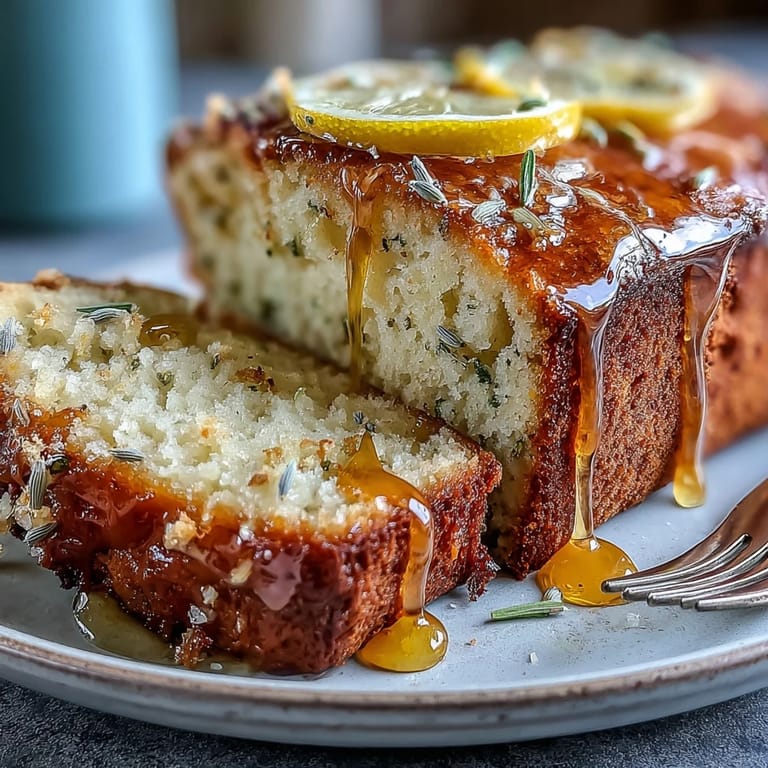 Save
Save May each slice brighten the mood and invite a little gentle delight to your day. Happy baking, and don’t forget to savor the aromas while it lasts!
Recipe Questions & Answers
- → Which lavender should I use?
Use culinary (lavandula angustifolia) dried buds to avoid bitter, medicinal notes. Measure by volume and crush lightly between your fingers to release fragrance before adding to the batter.
- → How can I prevent a dry loaf?
Don’t overmix once the flour is added; fold until just combined. Ensure butter and eggs are at room temperature and include the yogurt to keep the crumb moist.
- → Can I infuse milk with lavender?
Yes—warm the milk with lavender buds for 5–10 minutes off the boil, steep covered for 15 minutes, then strain. This yields a subtler, more even floral flavor than adding dry buds directly.
- → How do I know the loaf is done?
Insert a toothpick or skewer into the center; it should come out clean or with a few moist crumbs. The top should be golden and spring back slightly when pressed.
- → How should I store leftovers?
Wrap cooled slices tightly or store in an airtight container at room temperature for 2–3 days. Refrigerate up to a week, bringing to room temperature before serving for best texture.
- → How do I get the glaze the right consistency?
Start with 1½ tablespoons honey and 2 tablespoons lemon juice, whisk into sifted powdered sugar. Add more lemon juice a teaspoon at a time until pourable but not runny; it should hold a thin ribbon on the loaf.