 Save
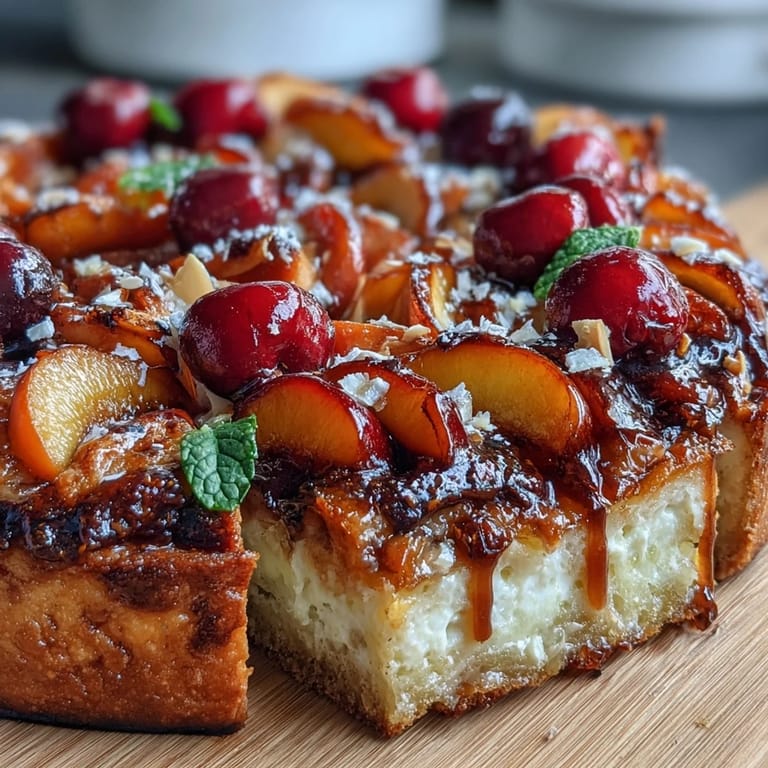
Save There's something about late July that makes me want to bake a galette. Not because I planned it, but because I found myself at the farmer's market surrounded by peaches that smelled like summer itself, their fuzzy skin warm in my palms. A woman next to me was buying six of them, and when I asked what she was making, she laughed and said she was just going to eat them standing over the sink. But I thought of my grandmother's kitchen, where rustic French desserts meant something could be beautiful and broken at the same time. This galette became my answer to those imperfect, glorious stone fruits.
Last summer I made this for a neighbor who'd just moved in, mainly as an excuse to finally use my new rolling pin. She came over in sandals and a sundress, and we sat on the porch with slices still warm, watching the crust shatter under forks. She said it was the first time in months she'd felt like she was somewhere that mattered. Sometimes a galette is just pastry and fruit, and sometimes it's the exact thing someone needed without knowing it.
Ingredients
- All-purpose flour (1 1/4 cups): The foundation of everything—use it cold and work with it gently, as if you're handling something delicate that wants to stay crisp.
- Unsalted butter (1/2 cup plus 3 tbsp): Half goes into the pastry in small, cold pieces, and the other amount gets creamed into frangipane for richness; the real secret is keeping it cold in the pastry dough.
- Granulated sugar (1/4 cup for dough, 1/4 cup for frangipane, 2 tbsp for fruit): Each amount serves a different purpose, and measuring matters here unlike some things in life.
- Ice water (1/4 cup): Cold water keeps the pastry's butter from melting before it hits the oven, which is the entire point of the exercise.
- Almond flour (1/2 cup): This is what makes frangipane taste like a secret rather than just butter and sugar; don't skip it or substitute unless you're making a different dessert entirely.
- Egg (1 large, plus 1 beaten for egg wash): One goes into the frangipane for structure, one gets brushed over pastry for that shiny golden finish that makes people think you're showing off.
- Vanilla and almond extracts: The almond extract is technically optional but feels like a shame to skip when you've already committed to almonds.
- Mixed stone fruits (4 cups ripe, pitted and sliced): Peaches, plums, nectarines, apricots, or cherries—whatever looks best should go in your basket; ripeness matters more than variety.
- Cornstarch (1 tbsp): A small amount thickens the fruit juices without making them taste like anything but fruit, though many home cooks forget about it and end up with a soggy galette.
- Fresh lemon juice (1 tsp): Just enough to brighten the fruit without making anyone taste lemon; it also helps prevent the filling from being cloying.
- Coarse sugar (1 tbsp for sprinkling): The final touch that catches light and adds textural interest, making the whole thing feel finished rather than accidental.
Tired of Takeout? 🥡
Get 10 meals you can make faster than delivery arrives. Seriously.
One email. No spam. Unsubscribe anytime.
Instructions
- Make the pastry dough:
- Whisk together flour, sugar, and salt in a bowl, then add your cold butter pieces and work them in with a pastry blender or your fingertips until everything looks like coarse crumbs—this is the moment where patience matters, because those tiny butter pieces are what create flakiness. Add ice water a tablespoon at a time, stirring gently until the dough just comes together, then flatten it into a disk, wrap it, and refrigerate for at least thirty minutes while you do other things.
- Blend the frangipane:
- Cream softened butter and sugar until it's light and slightly fluffy, then beat in your egg, followed by almond flour, vanilla, almond extract if using, and a pinch of salt. The mixture should be smooth and spreadable, smelling like almonds and vanilla in a way that makes you slightly envious of the galette.
- Prepare the fruit filling:
- Toss your sliced stone fruits gently with sugar, cornstarch, and lemon juice in a separate bowl, being careful not to crush them; the cornstarch will absorb excess moisture so your pastry stays crispy on the bottom.
- Roll and assemble:
- Preheat your oven to 400°F and line a baking sheet with parchment paper. On a lightly floured surface, roll your chilled dough into a twelve-inch circle, then transfer it to the baking sheet and spread your frangipane over it in an even layer, leaving about two inches around the border untouched. Arrange your stone fruits over the frangipane in whatever pattern feels right to you—there's no wrong way—then fold the pastry edges up and over the fruit, pleating naturally as you go around.
- Finish and bake:
- Brush the exposed pastry with beaten egg and sprinkle coarse sugar over it, then slide everything into the oven for thirty-five to forty minutes until the pastry is golden brown and the fruit filling is bubbling at the edges. Let it cool for a few minutes before slicing so the frangipane sets slightly and everything holds together better.
 Save
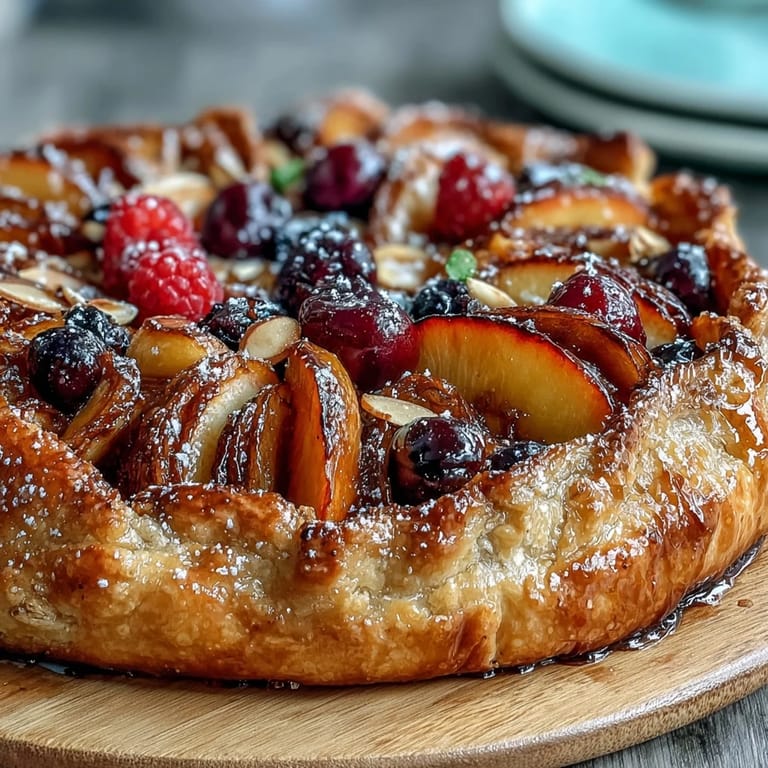
Save There's a moment when the galette comes out of the oven and the kitchen smells like caramelized sugar and warm almonds that makes everything else feel secondary. I once burned a galette's edges while trying to take the perfect photo, and instead of being disappointed, my partner just broke off a caramelized corner and said it tasted like dessert should—a little imperfect and completely worth it.
The Beauty of Rustic Baking
French galettes don't ask you to be precise or perfect; they ask you to be confident enough to embrace the cracks. I've made them with pastry that's slightly uneven, fruit arranged haphazardly, and edges that fold imperfectly, and every single one has tasted remarkable. The whole point is that it looks homemade and tastes like you cared, not that it looks like it came from a pastry case.
Stone Fruit Season Wisdom
Summer stone fruits have about two weeks of peak ripeness where they're fragrant and juicy and perfect, which is both a blessing and a small tragedy. Learning to recognize when fruit is ready—soft enough to smell its perfume but firm enough to slice cleanly—changed how I shop and when I decide to bake. A galette is the best way I've found to use up a pile of ripe peaches before they get too soft to salvage, and somehow it feels intentional rather than rushed.
Make-Ahead Magic and Timing
Both the dough and frangipane can be made the day before, which means you can do the relaxing parts of this dessert when you have time and then assemble and bake when you need to impress someone. I've found that overnight refrigeration actually improves the dough's flavor and texture, and there's something lovely about opening the fridge and having the hard work already done.
- Prepare dough and frangipane up to twenty-four hours ahead, storing each wrapped separately so flavors don't mingle.
- Slice and toss your stone fruits with sugar and cornstarch no more than an hour before assembly to prevent them from releasing too much liquid.
- A galette tastes equally good warm from the oven or at room temperature, making it perfect for entertaining because you can bake it whenever you choose.
 Save
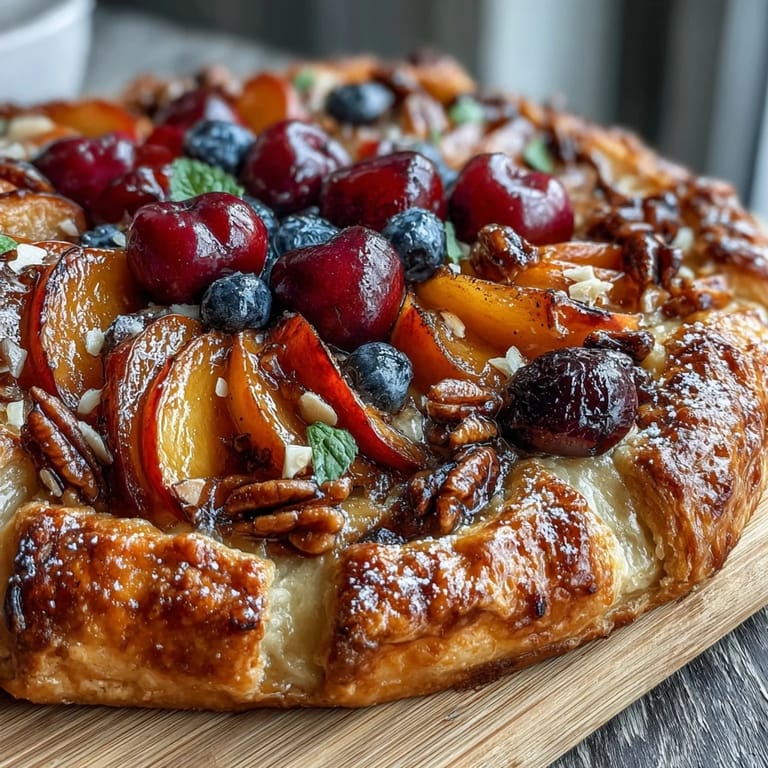
Save This galette is the dessert I make when I want to feel like I'm in a French countryside kitchen without actually leaving home. It's simple enough to not stress over but impressive enough to make someone feel genuinely cared for.
Recipe Questions & Answers
- → What fruits work best in this galette?
Mix ripe summer stone fruits such as peaches, plums, nectarines, apricots, and cherries for a balanced, juicy filling.
- → How is the frangipane prepared?
The frangipane is made by creaming softened butter and sugar, then mixing in egg, almond flour, vanilla, optionally almond extract, and a pinch of salt until smooth.
- → Can the galette dough be made ahead?
Yes, the dough can be prepared in advance, chilled in plastic wrap, and refrigerated for at least 30 minutes or overnight for convenience.
- → What is the best way to assemble the galette?
Roll the chilled dough into a circle, spread frangipane leaving a border, arrange the fruit on top, fold the edges over the filling, brush with egg wash, and sprinkle with coarse sugar before baking.
- → How should the galette be served?
It is delightful served warm or at room temperature, optionally accompanied by vanilla ice cream or whipped cream to enhance the flavors.