 Save
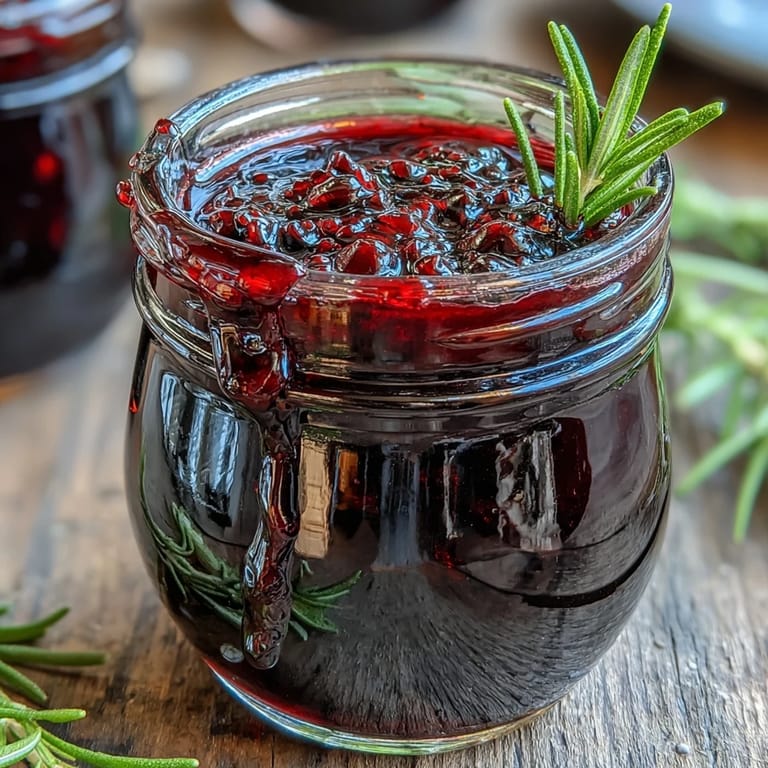
Save There's something magical about the moment when black currant juice hits a hot pan and the kitchen fills with that deep, tart perfume. I discovered this reduction quite by accident one autumn evening when I was trying to rescue a somewhat bland roasted duck, grabbing whatever wine and fruit I had on hand. What emerged was this glossy, jewel-toned sauce that made everyone at the table pause mid-bite and ask what I'd done differently. It turns out that simplicity and good ingredients are sometimes all you need.
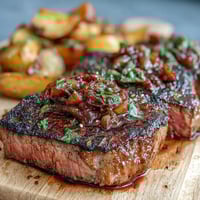
I remember pouring this sauce over a plate of venison for the first time during a dinner party where everyone was nervous about the game bird's intensity. The reduction cut through the richness with such elegance that my usually quiet friend actually said the sauce deserved its own course. That's when I realized this wasn't just a condiment—it was a conversation starter.
Ingredients
- Black currant juice (unsweetened): This is your foundation, providing that distinctive tart depth that makes the whole sauce sing, so don't substitute with something sweetened or you'll lose the complexity.
- Dry red wine: It adds structure and a subtle dryness that balances the fruit's natural sweetness, allowing the other flavors to emerge.
- Balsamic vinegar: Those two tablespoons do the heavy lifting—they round out the flavors and add a subtle sweetness without making the sauce cloying.
- Black currant jam: A spoonful dissolves into the liquid, creating body and intensifying that fruity character in ways juice alone cannot achieve.
- Fresh rosemary: Two sprigs are your aromatics, infusing the sauce with an earthy, almost piney note that whispers rather than shouts.
- Shallot and garlic: These humble aromatics melt into the reduction, adding savory depth and preventing the sauce from feeling one-dimensional.
- Sea salt and black pepper: Season at the end so you can taste as you go and find your own balance.
Tired of Takeout? 🥡
Get 10 meals you can make faster than delivery arrives. Seriously.
One email. No spam. Unsubscribe anytime.
Instructions
- Build your base:
- Pour the black currant juice, red wine, and balsamic vinegar into a medium saucepan and stir in the jam over medium heat. You'll watch it dissolve into the liquid like a small miracle, creating a smooth, glossy foundation for everything that follows.
- Add aromatics:
- Toss in the rosemary sprigs, chopped shallot, and minced garlic, letting them tumble into the pan. The kitchen will fill with such a beautiful fragrance that you'll forget this is all happening on a weeknight.
- Gentle reduction:
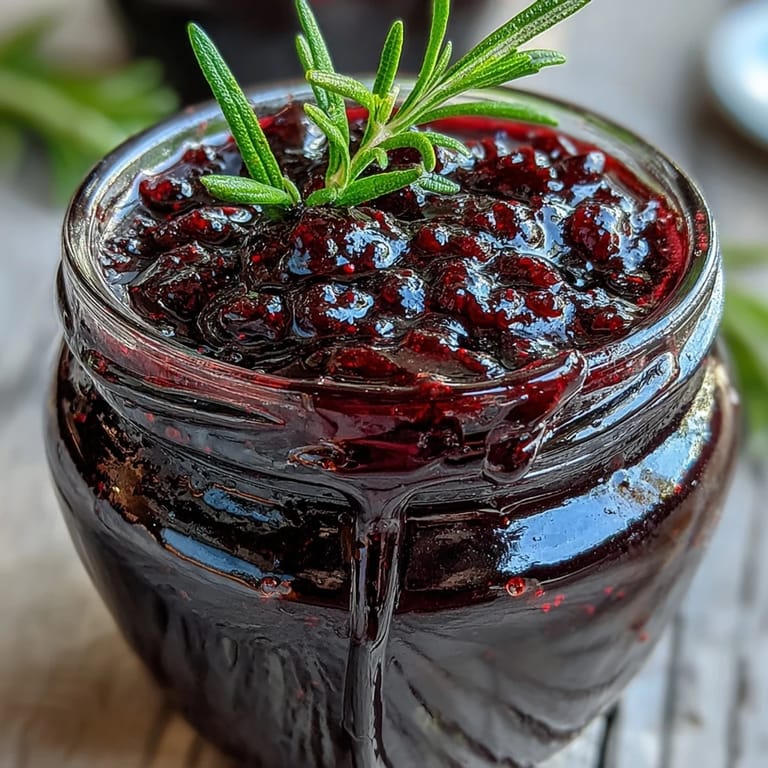
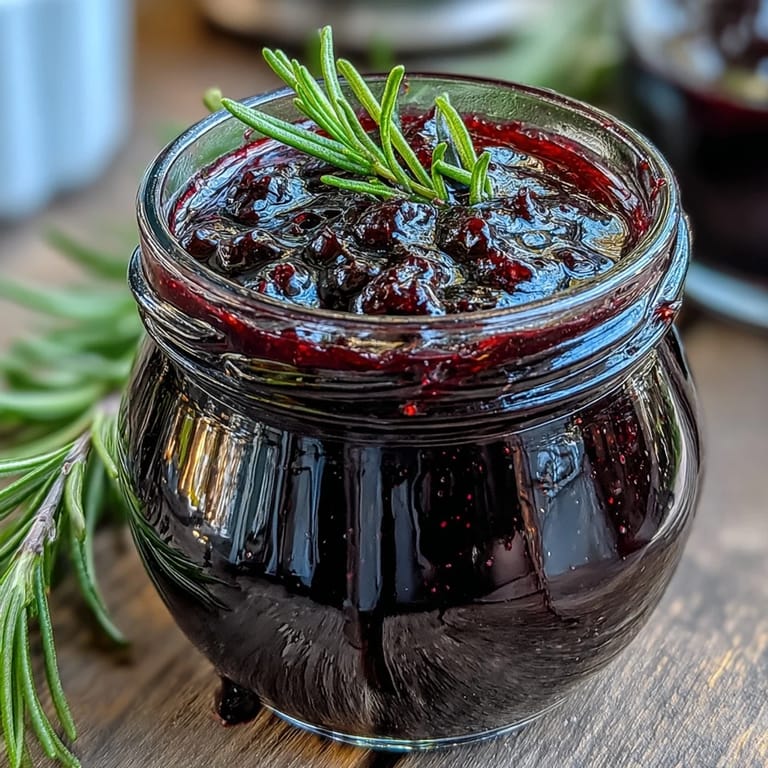
- Bring everything to a soft boil, then immediately lower the heat and let it simmer uncovered for 15 to 18 minutes, stirring now and then. You're watching for the mixture to become glossy and thickened, roughly halved in volume, deepening to an almost wine-dark color.
- Finish and strain:
- Remove from heat and fish out those rosemary sprigs with a spoon. For a silky-smooth finish, pour the sauce through a fine-mesh sieve, though honestly, a few flecks of shallot add character if you leave it unstrained.
- Season to taste:
- Taste it as you sprinkle in salt and pepper, adjusting until the flavors feel balanced—tart but not harsh, sweet but not candy-like.
 Save
Save  Save
Save The first time someone drizzled this over grilled tofu and closed their eyes while tasting it, I understood that good food transcends what's on the plate. It's about creating a moment where flavor speaks louder than any explanation ever could.
When to Use This Sauce
This reduction is versatile in the best way possible. Roasted duck, lamb, and venison are the obvious partners, but I've also spooned it over roasted root vegetables, swirled it into yogurt as a appetizer dip, and even brushed it onto grilled tofu for skeptical guests who became believers. The acidity and fruit make it work with almost any protein that needs a sophisticated edge.
Variations to Explore
Once you understand how this sauce works, you can play with it. A splash of port wine instead of red wine creates something richer and slightly sweeter, perfect if you're serving it with beef. An extra tablespoon of jam leans into the fruit more generously, which works beautifully with game birds. Even swapping the rosemary for thyme creates a subtly different personality while maintaining the sauce's essential character.
Storage and Make-Ahead Magic
This sauce improves slightly as it sits, the flavors deepening overnight in the refrigerator. You can make it up to three days ahead, which means less stress when you're hosting dinner. It also freezes well for up to two months, so consider making a double batch whenever you have the ingredients on hand.
- Let the sauce cool completely before refrigerating or freezing to preserve its silky texture.
- Reheat gently over low heat, stirring occasionally, and add a splash of water if it's thickened too much during storage.
- Taste and adjust seasoning after reheating, as flavors can shift slightly over time.
 Save
Save 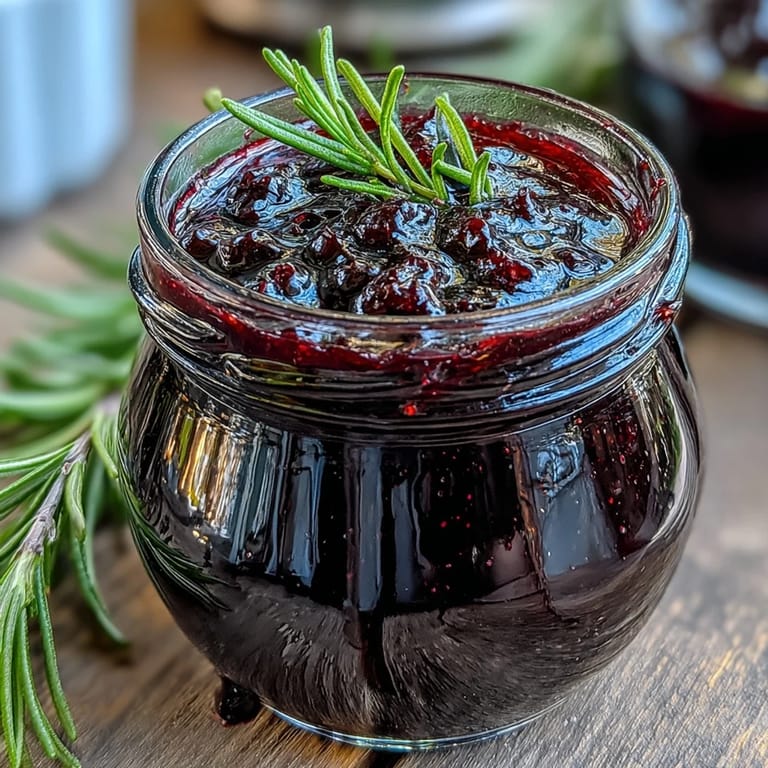 Save
Save This sauce reminds me why I fell in love with cooking in the first place—the alchemy of a few humble ingredients transforming into something that makes people happy. Once you master this one, you'll find yourself making it far more often than you ever imagined.
Recipe Questions & Answers
- → What dishes pair best with black currant reduction?
This reduction shines alongside roasted lamb, duck breast, venison, or game meats. It also complements roasted vegetables and grilled tofu with its tangy sweetness.
- → Can I make this sauce ahead of time?
Yes, prepare up to 3 days in advance and refrigerate. Gently reheat over low heat before serving, adding a splash of water if too thick.
- → What can I substitute for black currant juice?
Cranberry or pomegranate juice work well as alternatives. The flavor profile will shift slightly but maintain the tart, fruity character.
- → How do I know when the reduction is ready?
The sauce is ready when it coats the back of a spoon and has reduced by half. It should be slightly thicker than maple syrup.
- → Is straining necessary?
Straining is optional. For a silky, restaurant-style texture, strain through a fine-mesh sieve. For rustic appeal, leave the shallots and garlic in.