 Save
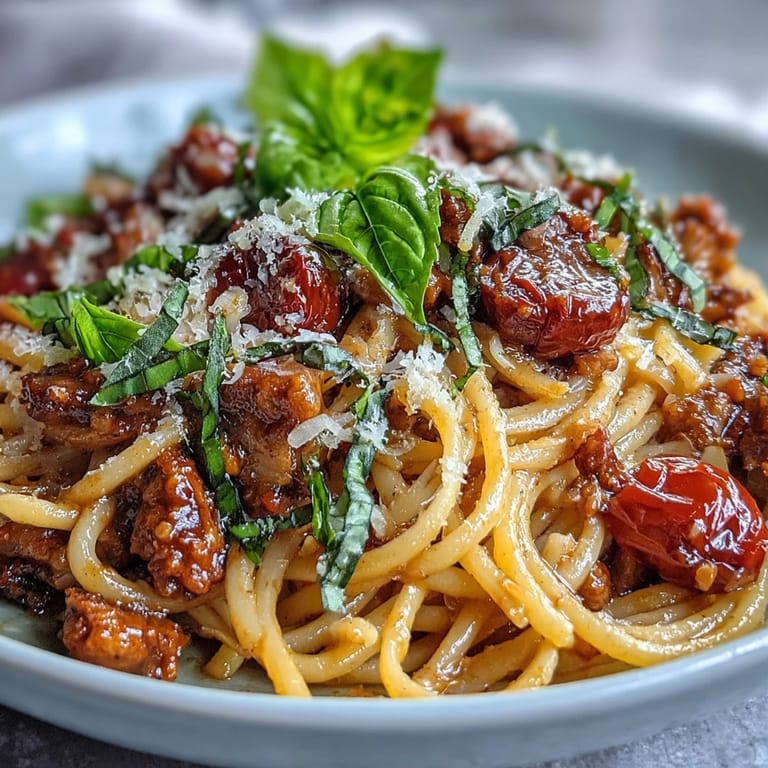
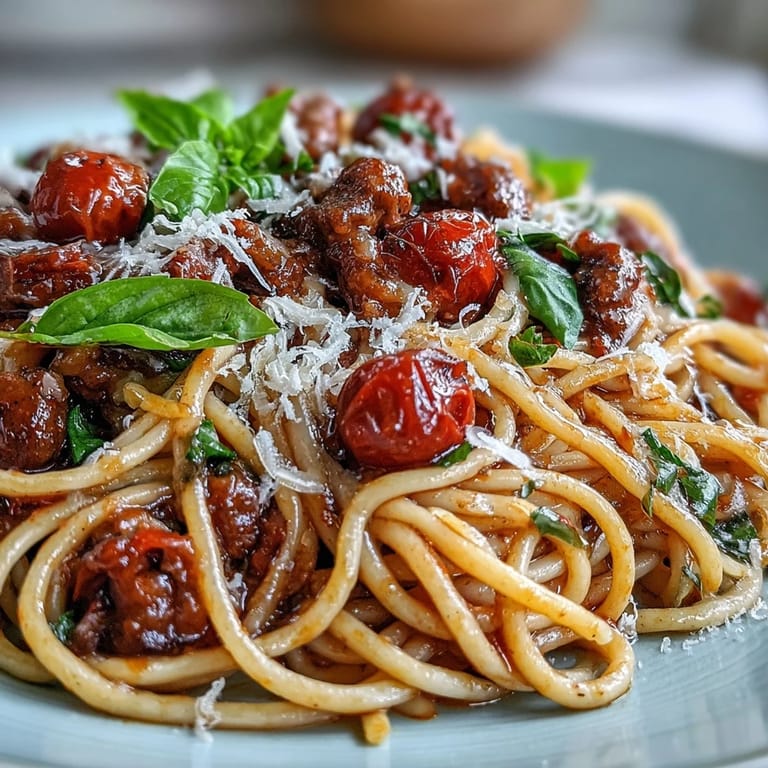
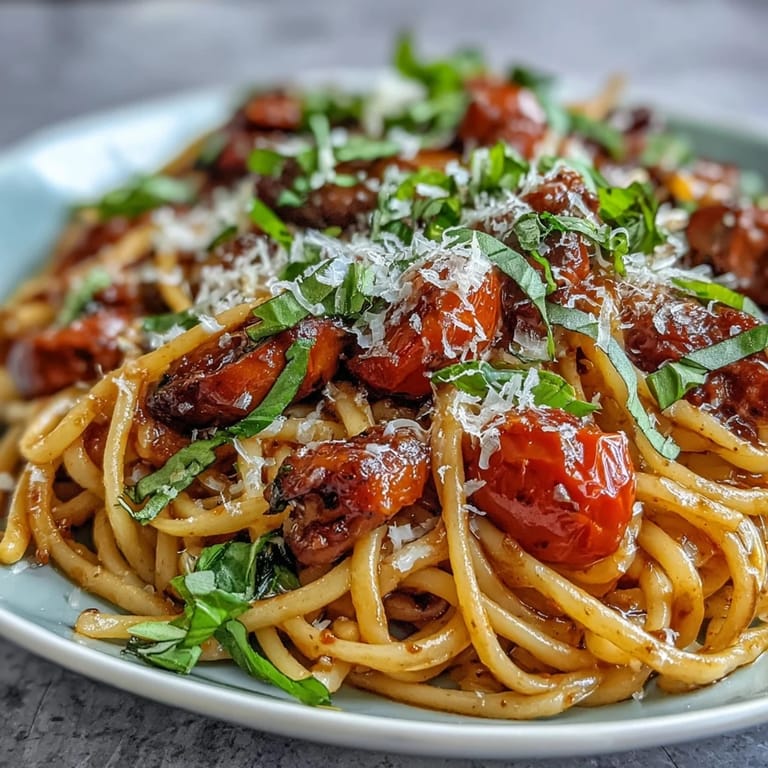
Save My roommate stumbled in one night with an empty wine bottle and a craving that made no sense: spicy noodles, but Italian. We stood in the kitchen, half-laughing, tossing sausage into a pan with the last splash of Chianti and whatever pasta we had. The tomatoes blistered, the basil wilted into the sauce, and somehow it worked. That messy, wine-soaked experiment became the dish I make whenever I want dinner to feel like a small celebration.
I made this for a dinner party once, and my friend who swore she hated sausage went quiet after her first bite. She asked for the recipe before dessert even hit the table. The kitchen smelled like garlic and wine and something faintly sweet from the tomatoes, and everyone kept reaching for seconds. It was one of those nights where the food did all the talking, and I just stood back and let it happen.
Ingredients
- Spaghetti or linguine: Use whatever pasta shape you love, the sauce clings to long noodles beautifully, and gluten-free varieties work just as well if you cook them carefully.
- Extra-virgin olive oil: This is your flavor base, so use something you would actually drizzle on bread.
- Yellow onion: Slice it thin so it melts into the sauce and adds sweetness without taking over.
- Garlic cloves: Mince them fresh, jarred garlic just does not bring the same punch when it hits the hot oil.
- Red pepper flakes: Start with less if you are cautious, you can always add more heat but you cannot take it back.
- Italian sausage or shrimp: Sausage brings smoky richness, shrimp keeps it lighter, both are perfect depending on your mood.
- Cherry tomatoes: They burst and blister in the pan, releasing sweet juice that becomes part of the sauce.
- Tomato paste: Just a couple of tablespoons deepens the color and adds a concentrated tomato backbone.
- Dry red wine: Chianti or Sangiovese work best, but any dry red you would drink will do the job.
- Soy sauce: This is the secret umami bridge between Italian and Asian flavors, do not skip it.
- Worcestershire sauce: It adds a tangy, savory complexity that rounds out the sauce.
- Balsamic vinegar: A teaspoon brightens everything and balances the richness of the oil and wine.
- Fresh basil and parsley: Stir them in at the end so they stay vibrant and fragrant, not dull and cooked out.
- Parmesan cheese: Grate it fresh, the pre-shredded stuff clumps and does not melt into the sauce the same way.
Tired of Takeout? 🥡
Get 10 meals you can make faster than delivery arrives. Seriously.
One email. No spam. Unsubscribe anytime.
Instructions
- Boil the pasta:
- Bring a big pot of salted water to a rolling boil and cook your pasta until it still has a little bite. Reserve a mugful of that starchy water before you drain, it is your secret weapon for silky sauce later.
- Heat the skillet:
- Get your largest skillet hot over medium-high heat, then swirl in the olive oil until it shimmers. You want it ready to sizzle when the onion hits.
- Soften the aromatics:
- Toss in the sliced onion and let it cook for a couple of minutes until it starts to turn translucent. Add the garlic and red pepper flakes, stirring constantly for about 30 seconds until the kitchen smells incredible.
- Cook your protein:
- Crumble in the sausage and break it into bite-sized pieces as it browns, or add the shrimp and flip them once they turn pink. Either way, get a little color on everything for flavor.
- Blister the tomatoes:
- Stir in the cherry tomatoes and tomato paste, then let them cook until some of the tomatoes start to burst. Use your spoon to gently smash a few and release their juices into the pan.
- Deglaze with wine:
- Pour in the red wine and scrape up all those tasty browned bits stuck to the bottom of the skillet. Let it simmer and reduce by about half, the alcohol will cook off and leave behind deep, fruity flavor.
- Build the sauce:
- Stir in the soy sauce, Worcestershire, and balsamic vinegar, then taste and adjust with salt, pepper, or more heat. This is where the fusion magic happens.
- Toss the pasta:
- Add your drained pasta straight into the skillet and toss everything together. Splash in some of that reserved pasta water a little at a time until the sauce coats every strand without pooling at the bottom.
- Finish with herbs and cheese:
- Pull the pan off the heat and fold in the basil, parsley, and Parmesan. The residual heat will melt the cheese and wilt the herbs just enough without losing their brightness.
- Serve it up:
- Divide the pasta into bowls and top with extra Parmesan, fresh basil, sliced chili if you are feeling brave, and a lemon wedge for a bright squeeze at the table.
 Save
Save There was a rainy Tuesday when I made this alone, no occasion, no company, just me and a half-empty bottle of red wine. I sat at the counter with a bowl of these noodles, the steam rising, the sauce clinging to every bite, and I realized some meals do not need a reason. Sometimes the ritual of cooking something bold and a little indulgent is enough to turn an ordinary night into something worth remembering.
Choosing Your Protein
Sausage brings a smoky, fennel-laced richness that feels deeply Italian, while shrimp keeps things lighter and a little sweeter. I have also made this with crumbled mushrooms when I wanted it vegetarian, and the earthy umami filled in beautifully. Whatever you choose, just make sure it gets some color in the pan first, that caramelization is where the flavor lives.
Wine Matters More Than You Think
I used to think any red wine would work, but a dry, fruity Chianti or Sangiovese really does make a difference. The wine reduces into the backbone of the sauce, so if you would not drink it, do not cook with it. I learned this the hard way after using a too-sweet blend once and ending up with a sauce that tasted like dessert gone wrong.
Storing and Reheating
Leftovers keep in the fridge for up to three days, and honestly, they are some of the best leftovers I have ever had. The noodles soak up more of the sauce overnight, and everything melds together. Reheat gently in a skillet with a splash of water or wine to loosen things up, and it tastes like you just made it fresh.
- Store in an airtight container to keep the basil from wilting too much.
- If you are meal prepping, undercook the pasta slightly so it does not get mushy when reheated.
- A squeeze of lemon right before serving brightens everything back up.
 Save
Save This dish has become my go-to when I want something that feels special without the fuss. It is messy, bold, and unapologetically flavorful, just like that first night we threw it together on a whim.
Recipe Questions & Answers
- → Can I make this dish vegetarian?
Yes, simply omit the sausage and shrimp, and substitute with sautéed mushrooms, marinated tofu, or additional vegetables like bell peppers and zucchini for a hearty vegetarian version.
- → What type of wine works best for this dish?
Chianti or Sangiovese are recommended for their bold, fruity flavors that complement the tomatoes and sausage beautifully. Any dry red wine will work in a pinch.
- → How do I store and reheat leftovers?
Store covered in the refrigerator for up to 3 days. Reheat gently in a skillet over medium heat with a splash of water, wine, or broth to revive the sauce and prevent drying out.
- → Can I adjust the spice level?
Absolutely. Reduce the red pepper flakes for a milder dish, or add fresh sliced chilies for extra heat. Taste as you go and adjust according to your preference.
- → What pasta shapes work best?
Spaghetti and linguine are ideal because their long strands coat beautifully with the sauce. You can also use fettuccine, bucatini, or even penne if you prefer shorter shapes.
- → Can I use shrimp instead of sausage?
Yes, shrimp is an excellent alternative. Cook for 2-3 minutes per side until pink and opaque. Shrimp cooks quickly, so add it later in the process to avoid overcooking.