 Save
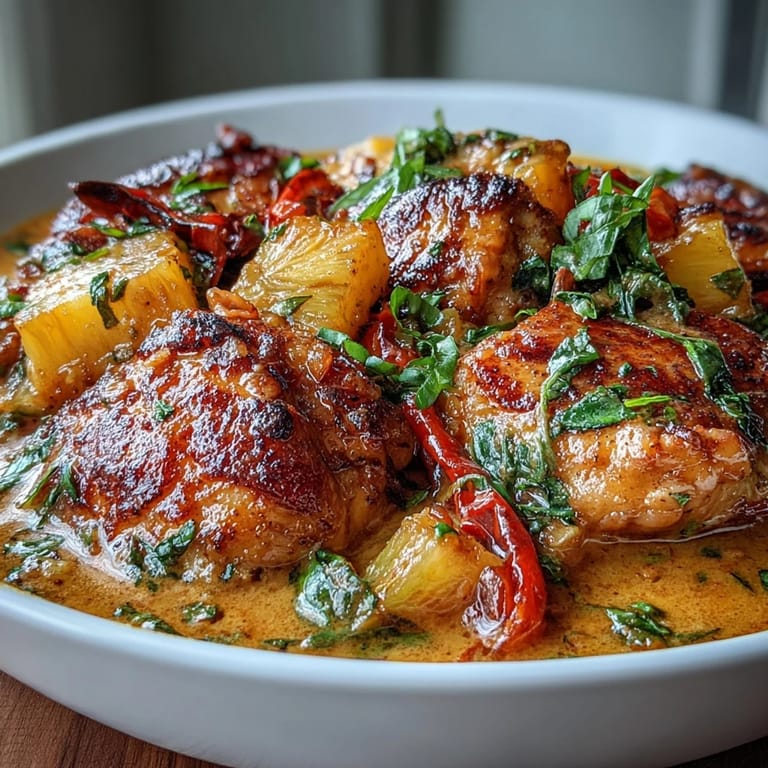
Save There's something magical about the moment when curry paste hits hot oil and the kitchen suddenly smells like a street market in Bangkok. I discovered this one-pot wonder during a rushed Tuesday evening when I needed something impressive but had zero patience for complicated techniques. The combination of sweet pineapple with creamy coconut milk felt like a gamble at first, but the first spoonful proved that sometimes the best dishes come from happy accidents and a willingness to trust your instincts.
I'll never forget cooking this for my neighbor Sarah when she mentioned being overwhelmed by her new job. Watching her face light up when she tasted that first spoonful, then asking for the recipe before she'd even finished her bowl, reminded me that food has this quiet power to shift someone's whole mood. She's made it at least twenty times since, and now it's her go-to when she needs comfort wrapped in something that feels celebratory.
Ingredients
- Boneless, skinless chicken thighs (600 g): These stay tender and juicy throughout the simmering process, unlike breasts which can dry out if you're not watching every second.
- Yellow onion (1 medium): The foundation layer that softens into sweetness and helps build the sauce's body.
- Garlic and fresh ginger: Toast these together for a moment so their essential oils wake up and perfume the entire pot.
- Red bell pepper and carrot: They add textural contrast and natural sweetness without being shy about it.
- Fresh pineapple chunks (1 cup): If you can find fresh, use it, but honestly canned in juice works beautifully too and requires zero chopping.
- Vegetable oil (2 tbsp): Keep it neutral so the aromatics take center stage.
- Coconut milk (400 ml): Full fat is non-negotiable here; the richness is what makes this feel special.
- Chicken broth (1 cup): This keeps the sauce from becoming too heavy while letting the coconut milk shine.
- Thai red curry paste (2 tbsp): This is your flavor anchor, so grab a decent brand; it makes an enormous difference.
- Fish sauce (1 tbsp): I know it smells like low tide, but trust me, it rounds out the sauce in ways nothing else can.
- Soy sauce or tamari (1 tbsp): Adds umami depth and a whisper of saltiness that ties everything together.
- Brown sugar (1 tsp): Just enough to balance the heat and amplify the pineapple's natural sweetness.
- Fresh cilantro for garnish: This is your finishing touch that makes everything taste brighter and more intentional.
Tired of Takeout? 🥡
Get 10 meals you can make faster than delivery arrives. Seriously.
One email. No spam. Unsubscribe anytime.
Instructions
- Warm your pot and soften the onion:
- Heat oil over medium until it shimmers, then add your chopped onion. Let it sit for a moment before stirring, so it catches some color and develops sweetness. After 3 to 4 minutes, it should be translucent and smell gently caramelized.
- Build the aromatic foundation:
- Add garlic and ginger, stirring constantly for about a minute until your entire kitchen smells alive. You'll know it's ready when the raw edge disappears and everything turns fragrant.
- Introduce the curry paste:
- Stir the curry paste into the oil and aromatics, letting it cook for another minute so it loses its raw edge and becomes darker and more integrated. This single minute of cooking transforms the paste from pungent to rounded.
- Brown the chicken gently:
- Add your chicken pieces and let them sit undisturbed for a moment before stirring, so they develop a light golden exterior on all sides over 4 to 5 minutes. Don't worry about cooking them through; they'll finish in the sauce.
- Layer in the vegetables and fruit:
- Toss in the bell pepper, carrot, and pineapple, stirring so everything gets coated in that aromatic oil. The colors will look vibrant and the kitchen will smell like a tropical market.
- Pour in the liquid base:
- Add the coconut milk and chicken broth in one motion, then stir in the fish sauce, soy sauce, and brown sugar. Give everything a good stir so the brown sugar dissolves and the sauce becomes unified.
- Let it simmer gently:
- Bring everything to a gentle bubble, cover the pot, and let it cook undisturbed for 20 minutes. During this time, the chicken becomes fall-apart tender and the sauce melds into something greater than its parts.
- Thicken and finish:
- Remove the lid and let it simmer uncovered for another 5 to 10 minutes, watching as the sauce reduces and thickens slightly. You want it pourable but clingy, coating the back of a spoon with richness.
- Taste and adjust:
- Take a spoonful and taste honestly, then add salt and pepper as needed. This is your moment to make it yours.
- Serve with intention:
- Spoon everything over jasmine rice, finish with cilantro and a squeeze of lime, and watch people close their eyes when they taste it.
 Save
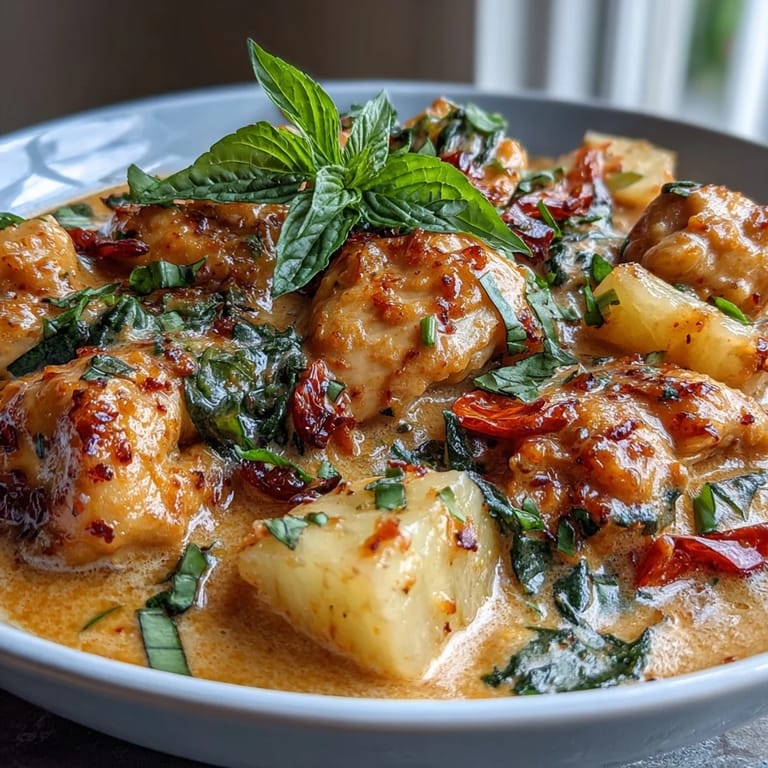
Save There's a moment halfway through simmering when you lift the lid and the steam hits your face, and you realize you've created something that tastes like someone cooked all day just for this dinner. That's when curry stops being a recipe and becomes a ritual.
Why Pineapple Works So Well
I used to think pineapple in savory dishes was a marketing gimmick until I actually paid attention to what it does. The natural sugars caramelize slightly into the sauce while the acid keeps everything bright so it doesn't feel heavy or cloying. Fresh pineapple releases juice as it simmers, adding body to the coconut milk in a way canned cannot quite match, though canned absolutely works when life is busy.
The Coconut Milk and Fish Sauce Partnership
These two ingredients seem like opposites until they meet in the same pot. The coconut milk provides richness and sweetness, but without the fish sauce it tastes generic and flat. Once fish sauce joins the party, everything suddenly has personality and depth that makes people lean in and ask what that incredible flavor is. It's the moment when a good curry becomes one you'll crave for months.
Making It Your Own
The beauty of this curry is how it tolerates your preferences without losing its soul. You can push it spicy, keep it mild, add more vegetables, or swap the protein entirely. My cousin made it with shrimp last month and it somehow tasted even better, though I'll never admit that out loud.
- For heat seekers, add sliced fresh chili or a generous pinch of chili flakes right when the curry paste goes in.
- Leftover curry tastes even better the next day once everything has time to get to know each other, so make extra without guilt.
- Serve it over jasmine rice, quinoa, or even with crusty bread because the sauce is too good to leave in the bowl.
 Save
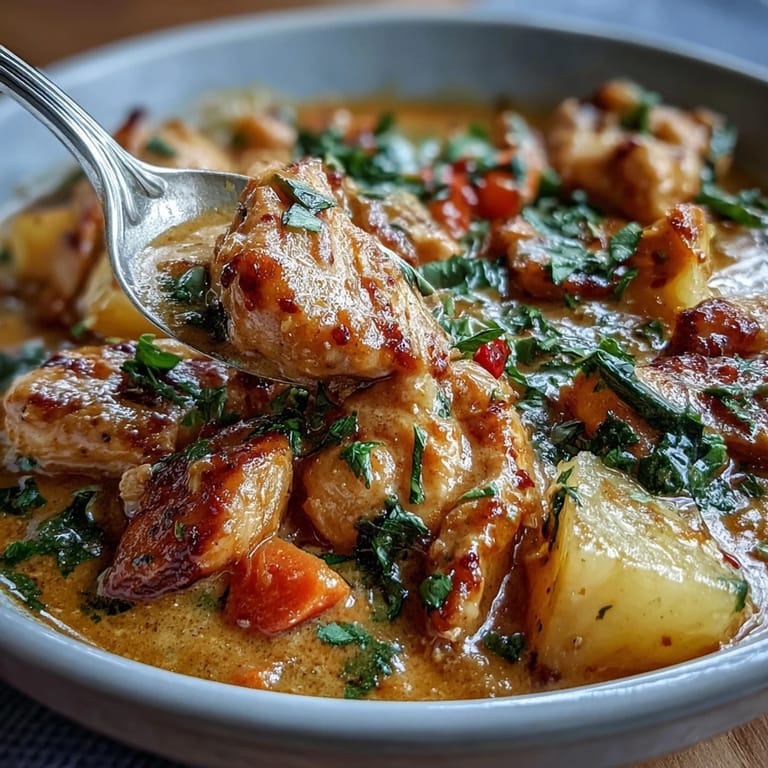
Save This curry taught me that the best weeknight dinners aren't about fancy techniques or hard-to-find ingredients, but about giving your food enough space and time to become something worth remembering. Make it tonight.
Recipe Questions & Answers
- → Can I substitute chicken thighs with chicken breasts?
Yes, chicken breasts can be used, but watch cooking times carefully to avoid drying out the meat.
- → What can I use if I want to add extra spice?
Adding sliced fresh chili or a pinch of chili flakes with the curry paste will increase heat without overpowering the flavors.
- → Is there a vegetarian alternative for this dish?
Firm tofu can replace chicken, and swapping chicken broth for vegetable broth maintains the flavor profile.
- → How do I thicken the curry sauce?
Simmer uncovered for 5 to 10 minutes after cooking to reduce and thicken the sauce as desired.
- → What sides pair well with this dish?
Steamed jasmine rice is ideal, and a crisp Riesling or light lager complements the flavors nicely.