 Save
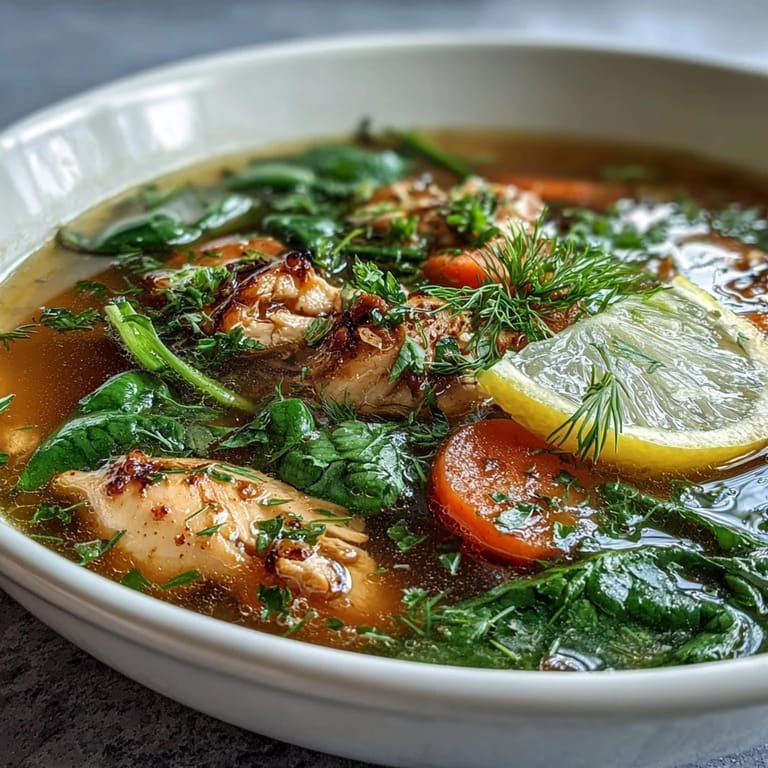
Save There's something about a steaming bowl of soup that cuts through whatever you're carrying—a long week, a stuffy apartment, the vague feeling that your body needs rescuing. I discovered this particular version on an ordinary Tuesday when my kitchen was running low on inspiration but my crisper drawer was overflowing with vegetables that needed saving. The brightness of fresh lemon hitting warm broth, the way tender chicken practically dissolves into each spoonful—it felt less like cooking and more like giving myself permission to slow down for an hour.
I made this for my neighbor during a rough season when her usual routines had fallen apart, and watching her face soften as she tasted it reminded me that nourishment isn't always about being perfect—it's about being present. She came back two days later asking if I'd written down what I did, which felt like the highest compliment possible.
Ingredients
- Chicken breasts: Two medium ones, cut into bite-sized pieces, ensure they cook evenly and don't overshadow the vegetables in the final bowl.
- Carrots: Two medium carrots sliced into half-moons add natural sweetness and hold their shape beautifully after simmering.
- Celery: Two stalks cut into half-moons provide an earthy foundation that deepens the broth's flavor over time.
- Zucchini: One medium zucchini diced small contributes subtle texture without overpowering the lighter profile of the soup.
- Onion: One small onion finely chopped becomes the aromatic base that everything else builds upon.
- Garlic: Three minced cloves add warmth and depth; don't skip this step or you'll miss the soul of the soup.
- Baby spinach: One hundred fifty grams added at the end keeps its bright color and delicate texture intact.
- Potato: One small peeled and diced potato is optional but transforms the soup into something more substantive if you need it to feel more filling.
- Low-sodium chicken broth: One and a half liters forms the liquid foundation; using quality broth makes a noticeable difference in the final result.
- Water: Two hundred fifty milliliters dilutes the broth just enough to let the vegetables and herbs shine without overwhelming saltiness.
- Lemon juice: Juice from one fresh lemon, added at the end, lifts the entire dish and brings every flavor into focus.
- Bay leaf: One leaf simmered throughout infuses subtle herbal complexity that quietly strengthens the broth.
- Dried thyme: One teaspoon (or one tablespoon fresh) provides an earthy note that feels grounding.
- Dried oregano: Half a teaspoon rounds out the herb profile with Mediterranean warmth.
- Fresh parsley: Quarter cup chopped and added near the end preserves its brightness and freshness.
- Fresh dill: Two tablespoons chopped brings an unexpected lightness that makes this soup feel special rather than predictable.
- Salt and pepper: Add to taste near the end so you control the final seasoning rather than letting the broth decide for you.
- Olive oil: One tablespoon for sautéing the aromatics without making the soup heavy.
Tired of Takeout? 🥡
Get 10 meals you can make faster than delivery arrives. Seriously.
One email. No spam. Unsubscribe anytime.
Instructions
- Heat and soften the foundation:
- Warm the olive oil in your large pot over medium heat, then add the onion, carrots, and celery. Watch as they begin to release their aromas and soften at the edges—this takes about five minutes and sets the flavor direction for everything that follows.
- Build the aromatic base:
- Stir in the minced garlic and let it become fragrant for exactly one minute; any longer and it turns bitter, any less and you miss its warmth. This brief moment is where seasoning really begins.
- Sear the chicken gently:
- Add your bite-sized chicken pieces and stir frequently until they lose their raw appearance and pick up light browning on all sides, about three to four minutes. This doesn't need to be dramatic searing—just enough to seal the exteriors.
- Introduce the liquid and hearty vegetables:
- Pour in the chicken broth and water, then add your potato if using it, the diced zucchini, bay leaf, thyme, and oregano. Season with salt and pepper, starting conservatively because you'll adjust the flavor at the end.
- Simmer low and patient:
- Bring everything to a gentle boil, then reduce the heat to low, cover the pot, and let it simmer for twenty minutes until the vegetables surrender to tenderness and the chicken is fully cooked through. The covered pot traps steam and allows flavors to marry quietly.
- Add the greens and fresh herbs:
- Stir in the baby spinach, parsley, and dill and let them wilt for three to four minutes until the spinach darkens and everything tastes alive again. This is when the soup goes from simple to something you'll remember.
- Brighten with lemon and final taste:
- Squeeze in the fresh lemon juice and stir, then taste and adjust your salt and pepper as needed; the lemon should make every other flavor pop rather than taste sour. This step transforms the entire bowl.
- Finish and serve:
- Remove the bay leaf, ladle the soup into bowls, and offer extra fresh herbs and lemon wedges for anyone who wants to personalize their portion. Serve while it's still steaming and the flavors feel bright.
 Save
Save On a cold morning several months later, a friend who'd borrowed my handwritten recipe sent me a photo of herself with this soup in front of her, captioning it simply: this tastes like being taken care of. That's when I understood that recipes are just instructions until they become moments, and this one had become a moment.
Why This Soup Works as a Reset
There's actual science beneath the comfort here—the combination of lean protein, fiber-rich vegetables, and hydration genuinely does recalibrate how your body feels, but what makes it more than a nutrition checklist is the ritual of making it. Chopping vegetables with intention, waiting for the broth to warm, breathing in the steam as you stir—these acts slow you down before the soup ever enters your mouth.
Customizing Without Losing the Thread
This soup is flexible enough to accommodate whatever you're working with but structured enough that you won't accidentally turn it into something unrecognizable. Swap the zucchini for bell peppers if that's what's on hand, use fresh thyme instead of dried, add white beans if you want more substance—the lemon and fresh herbs will keep it feeling like itself. The only non-negotiable elements are the bright acidity at the end and the green notes of fresh herbs, because those are what elevate it from utilitarian to luminous.
Making It a Habit
Once you've made this once, you'll understand why some people return to certain recipes again and again—it's not because they're complicated but because they work every time, and more importantly, because making something this nourishing for yourself becomes its own form of self-respect. Leftovers deepen beautifully over two to three days in the refrigerator, the flavors settling and becoming more integrated, which means you can make a double batch on Sunday and have yourself covered through the middle of the week.
- Reheat gently on the stovetop rather than in the microwave so the soup doesn't taste agitated and the vegetables stay tender.
- Add fresh lemon juice again when you reheat because some of the brightness fades overnight and needs refreshing.
- Keep extra fresh herbs on hand during the week so you can garnish each bowl individually rather than serving from a pot.
 Save
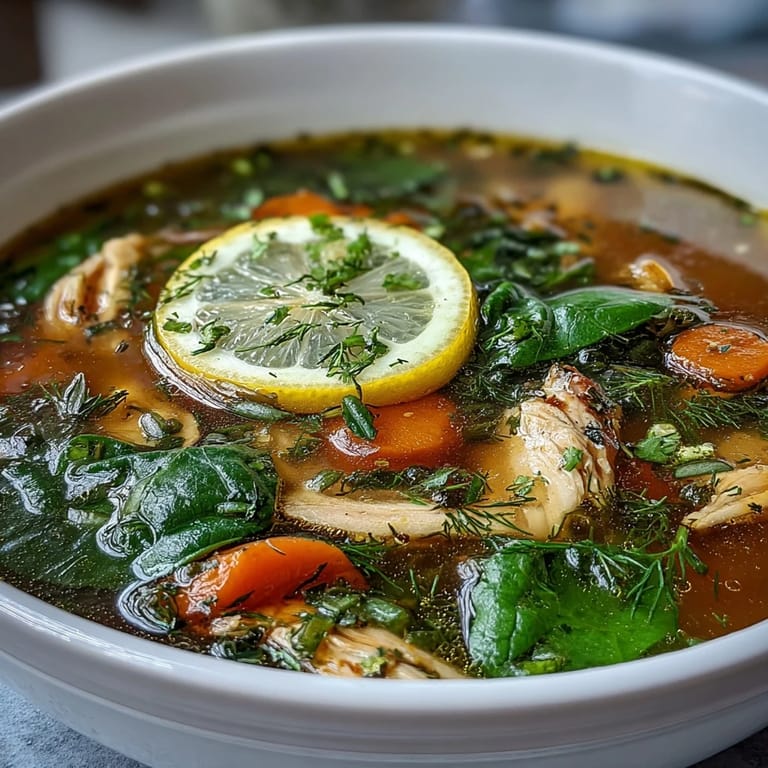
Save This soup has become my answer to the question I didn't know I was asking, which is: how do I take care of myself when the world feels too much? Make this, sit with it, and let the warmth and the brightness do their quiet work.
Recipe Questions & Answers
- → Can I use bone-in chicken instead of boneless?
Yes, bone-in chicken can add extra flavor, though cooking time may need slight adjustment to ensure thorough cooking.
- → What herbs complement this soup best?
Fresh parsley, dill, thyme, and oregano each bring distinct aromas that enhance the overall freshness and depth of the soup.
- → Is it possible to make a vegetarian version?
Replacing chicken with chickpeas or white beans provides protein and maintains the hearty texture and richness.
- → How can I add more heat to this dish?
A pinch of chili flakes or a dash of cayenne pepper added during cooking or as a garnish delivers gentle warmth.
- → What’s the best way to store leftovers?
Keep leftovers refrigerated in an airtight container for up to three days; flavors will continue to develop and deepen over time.
- → Can I prepare this soup ahead of time?
Yes, it can be made in advance and gently reheated, which often improves the melding of flavors.