 Save
Save Last Tuesday, I was standing in my kitchen staring at a tub of cottage cheese, wondering why I kept buying it with such optimistic intentions. My trainer had mentioned protein in the same breath as dessert, and something clicked—why couldn't I have both? An hour later, these little cheesecake cups were cooling on my counter, and suddenly cottage cheese didn't feel like a forgotten staple but like the secret ingredient I'd been missing all along.
I made these for my sister's book club last month, and she was so suspicious when I told her what was in them. After she tasted one, she actually asked if I'd made them in a bakery, which made me laugh—the skepticism turned into five people asking for the recipe before they left. That moment made me realize how much cheesecake intimidates people, and how empowering it feels to nail it in a muffin tin.
Ingredients
- Almond flour: Creates a nutty, tender base that holds up without being heavy—I always make sure it's finely ground so it compacts nicely.
- Melted coconut oil: Binds the base together and adds a subtle richness that prevents the cups from tasting dry.
- Honey or maple syrup: A touch of natural sweetness in the base that complements the filling without overpowering it.
- Cottage cheese: The star ingredient that brings incredible protein and a naturally creamy texture when blended smoothly.
- Greek yogurt: Works alongside cottage cheese to lighten the filling and add a subtle tang that balances sweetness.
- Eggs: These set the filling and give it that signature cheesecake structure and slight wobble.
- Cornstarch: A small amount prevents the filling from becoming rubbery while keeping it silky.
- Granulated sweetener: I've found erythritol works best for texture—less crystalline aftertaste than some stevia options.
- Vanilla extract: Deepens the flavor and masks any sharpness from the cottage cheese.
- Lemon zest: Optional, but it wakes up the entire cup with brightness and complexity.
Tired of Takeout? 🥡
Get 10 meals you can make faster than delivery arrives. Seriously.
One email. No spam. Unsubscribe anytime.
Instructions
- Prep your workspace:
- Set your oven to 175°C (350°F) and line a muffin tin with silicone or paper liners—silicone works best because you can peel them away cleanly once chilled. This small step saves you from wrestling with paper later.
- Build the almond flour base:
- Mix almond flour, melted coconut oil, honey, and salt in a small bowl until it looks like damp sand. Press about a tablespoon into each liner firmly—don't be shy, you want a solid foundation that won't crumble when you bite into it.
- Blend the filling until silky:
- Add cottage cheese and Greek yogurt to your blender first and blend for a full minute until there are absolutely no lumps. This step is where the magic happens—any graininess here will show up in your final cup, so take your time.
- Combine the wet ingredients:
- Add eggs, cornstarch, sweetener, vanilla, and lemon zest to the smooth mixture and blend until completely uniform and creamy. You're looking for something that falls like thick cream, not batter.
- Fill and bake:
- Divide the filling evenly among the bases—I use an ice cream scoop to keep portions consistent. Bake for 18-22 minutes until the tops look set but the centers jiggle slightly when you gently shake the tin.
- Cool and chill:
- Let them cool to room temperature on the counter, then refrigerate for at least 30 minutes before eating. This gives the structure time to firm up properly and the flavors time to develop.
- Finish and serve:
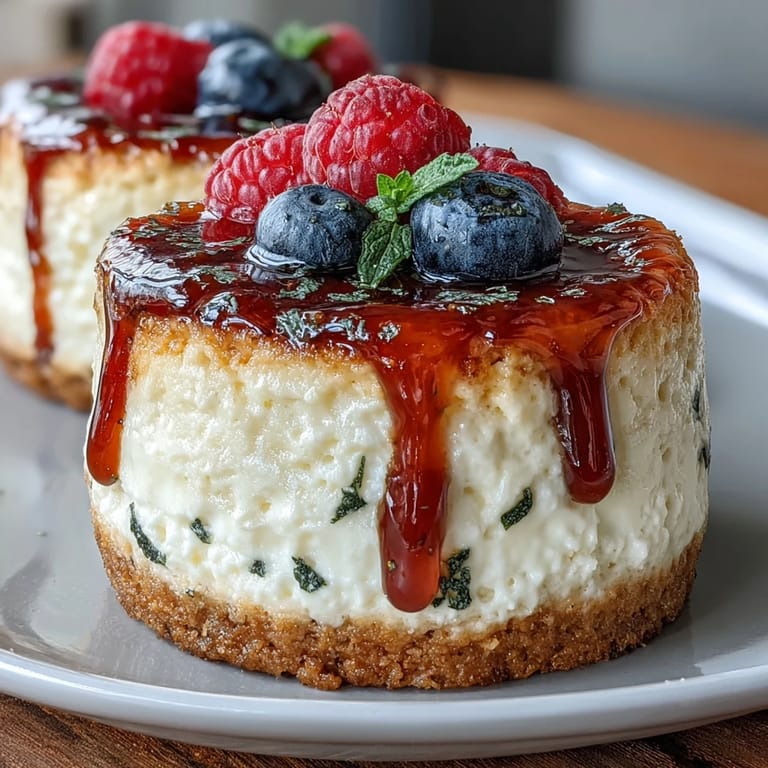
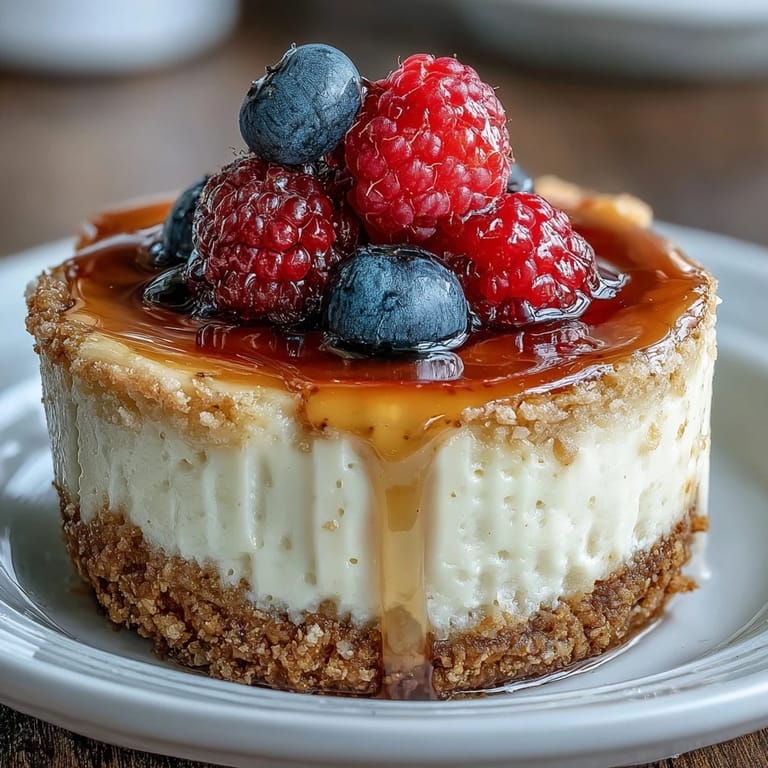
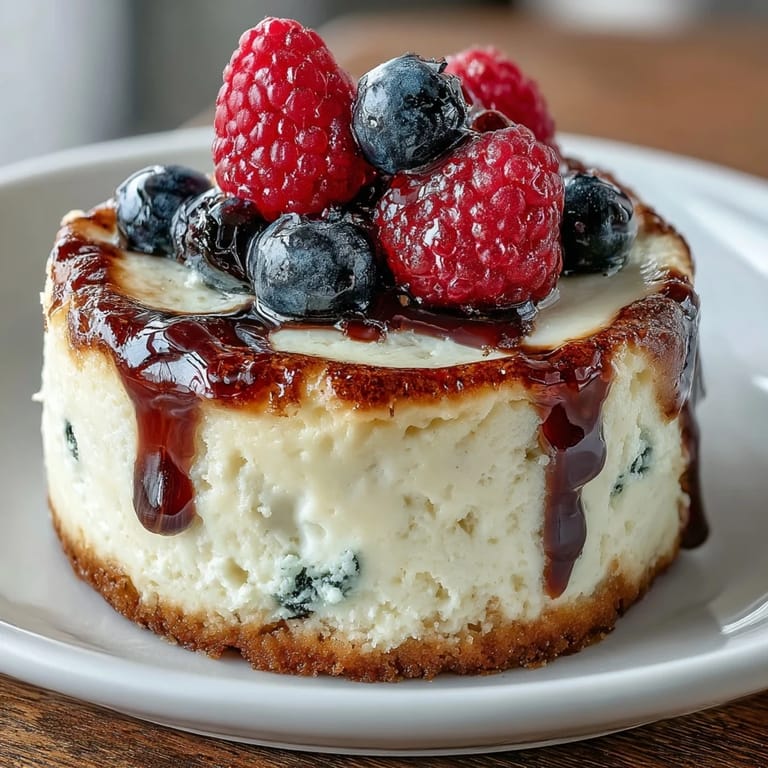
- Top with fresh berries and a honey drizzle if you like, though they're perfect plain. They keep in the fridge for up to five days, making them ideal for grabbing throughout the week.
 Save
Save My mom tried one of these after always saying she "wasn't a cottage cheese person," and watching her expression shift from skepticism to genuine delight was everything. She asked if she could take three home, and suddenly this little protein-packed dessert became our new tradition whenever she visits.
Making Them Taste Like Dessert
The biggest mindset shift I had was realizing that cheesecake doesn't need cream cheese to taste incredible—it needs smoothness, richness, and a touch of sweetness, and cottage cheese delivers all three when treated right. The key is blending it long enough that your brain stops thinking "cottage cheese" and starts thinking "pure creamy goodness." I've learned that a teaspoon of vanilla can mask the dairy tang that some people notice, and lemon zest becomes your secret weapon for depth.
Adaptations That Actually Work
The beauty of these cups is how flexible they are once you understand the core ratio. I've made them with oat flour instead of almond flour for friends with nut allergies, and they taste nearly identical—the texture is just slightly less dense. Berry compote swirled on top before baking adds moisture and flavor without derailing the recipe, and I've even experimented with almond extract or orange zest for different vibes.
Why These Beat Regular Cheesecake
Portion control is built into this format—you get a complete, satisfying dessert without a 300-calorie slice staring you down. They're also naturally smaller, which means they bake faster and you're not heating your oven for an hour watching a springform pan. Plus, there's something psychologically satisfying about peeling away a liner and holding an entire personal cheesecake in your hand.
- Make a double batch and freeze them individually wrapped for grab-and-go protein-rich snacks.
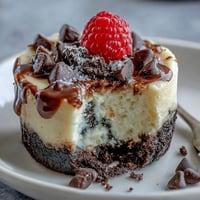
- Experiment with different toppings like dark chocolate shavings, crushed pistachios, or a drizzle of sugar-free chocolate sauce.
- Store them in an airtight container to keep the filling moist and the base from absorbing fridge smells.
 Save
Save These cups taught me that high-protein eating doesn't require sacrifice—it just requires knowing which traditional recipes can be reimagined. Now whenever someone says they're trying to eat better, this is the first thing I suggest making.
Recipe Questions & Answers
- → What type of flour is best for the base?
Almond flour provides a nutty flavor and crumbly texture, but oat flour works well as a nut-free alternative.
- → Can I use regular sugar instead of granulated sweeteners?
Yes, granulated sugar can be substituted, though using erythritol or stevia keeps the dessert lighter and low in carbs.
- → How do I know when cheesecake cups are done baking?
They are ready when the centers have a slight wobble but are mostly set to ensure a creamy texture after chilling.
- → Is it necessary to chill the cheesecake cups before serving?
Chilling helps the texture firm up and enhances the flavors, making it an important step before enjoying.
- → Can I add toppings to these cheesecake cups?
Fresh berries and a drizzle of honey or maple syrup are excellent toppings that complement the creamy filling.