 Save
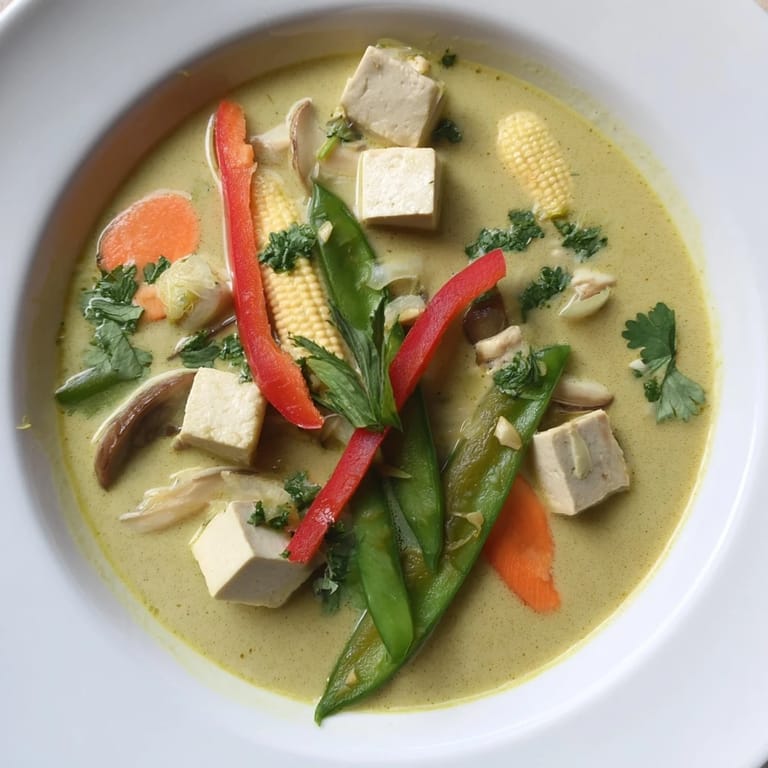
Save There's something about the smell of green curry paste hitting hot oil that instantly transports me to a Bangkok street stall on a humid afternoon. I was wandering between market stalls, completely lost, when a vendor handed me a steaming bowl of this exact soup—so green it was almost unreal, creamy from coconut milk, and alive with heat and herbs. I've been chasing that bowl ever since, and this recipe captures it perfectly.
I made this for a friend who claimed they couldn't handle spicy food, and I watched them go back for thirds, asking what made it work when other curries left them gasping. It's the coconut milk doing most of the heavy lifting—it soothes the heat while letting the curry paste do its aromatic thing, and somehow that balance converts skeptics.
Ingredients
- Protein (400g firm tofu or chicken breast): Tofu absorbs the broth beautifully and turns silky; chicken stays tender if you don't overcook it past that initial sear.
- Green curry paste (2 tbsp): This is where your flavor comes from, so use a brand you actually like—some pastes lean aggressively salty or overly spiced.
- Coconut milk (400ml): Full-fat creates richness, but light coconut milk works if you prefer something less heavy; just accept it'll taste different.
- Vegetable or chicken broth (500ml): Don't skip the broth thinking more coconut milk will be better—the ratio matters for balance.
- Fish sauce (1 tbsp or soy sauce for vegetarian): This is the umami backbone; measure carefully because it's potent, and you can always add more.
- Red bell pepper, zucchini, baby corn, snap peas, mushrooms, carrot, onion: These are guidelines, not gospel—use what's in your kitchen and tastes fresh to you.
- Sugar (1 tsp): A tiny amount rounds out flavors; skip it if you're already happy with the taste.
- Vegetable oil (1 tbsp): Just enough to wake up the curry paste without making the soup greasy.
- Fresh cilantro, lime wedges, Thai basil, red chili: Garnishes are where you add your personal touch and brightness at the last second.
Tired of Takeout? 🥡
Get 10 meals you can make faster than delivery arrives. Seriously.
One email. No spam. Unsubscribe anytime.
Instructions
- Wake up the curry paste:
- Heat oil in your pot until it shimmers, then add the curry paste and let it sizzle for a minute or two—you'll smell when it's ready, this grassy-spicy aroma that fills your kitchen.
- Soften the aromatics:
- Toss in the sliced onion and let it turn translucent and gentle before moving forward, about 2 minutes of gentle stirring.
- Quick sear your protein:
- Add tofu or chicken and let it sit in the heat for 2–3 minutes without stirring constantly; you want it to start taking on color and flavor, not steam itself.
- Build the broth:
- Pour in your coconut milk and broth together, watching the color shift to that rich, pale green as they combine. Bring everything to a gentle simmer where small bubbles break the surface steadily.
- Add the vegetables:
- Slide in all your vegetables at once and let them dance in the broth for 8–10 minutes until they're tender but not mushy—you want them to still have a little personality.
- Season to taste:
- Stir in the fish sauce and sugar, then stop and taste; this is where you adjust everything based on what your palate is telling you, adding more paste for heat or juice from a lime for brightness.
- Finish and serve:
- Ladle into bowls while everything's hot and let each person pile on their own cilantro, basil, lime, and chili—customization is part of the joy.
 Save
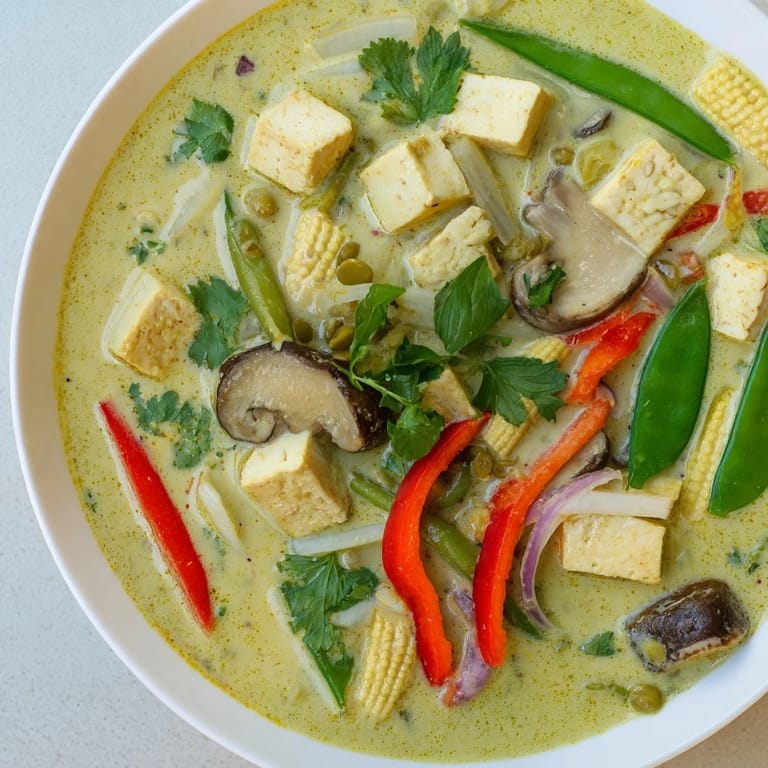
Save The moment I understood this soup was when I realized it's not about following steps perfectly—it's about building flavors in the right order and trusting your senses to guide you. Once you make it once, you own it.
Why This Soup Feels So Complete
Thai curries work because they layer flavors in a way that makes your mouth not know whether to be surprised, comforted, or excited—and somehow all three at once. The vegetables stay bright, the protein takes on the flavor without disappearing, and the broth carries everything together like a whisper.
Building Heat Your Own Way
This recipe isn't secretly spicy; it's gently warm with personality. If you like more intensity, fresh sliced Thai chilies stirred in during cooking will give you real heat, or add another tablespoon of curry paste before you pour in the liquids. If you're cooking for mixed preferences, let people add their own chili at the table so everyone gets their version.
Making It Your Kitchen's Version
The vegetables I listed are just a starting point—if you have broccoli, snap it in half and add it; if you have bell peppers in every color, throw them all in. The soup adapts because what matters is that you're building layers of flavor and texture, not hitting exact marks.
- Serve alongside jasmine rice or rice noodles to turn this into a meal that fills you up.
- Leftovers taste even better the next day once the flavors have had time to get to know each other.
- Make a double batch on Sunday if you want an easy weeknight lunch that tastes like you cooked all day.
 Save
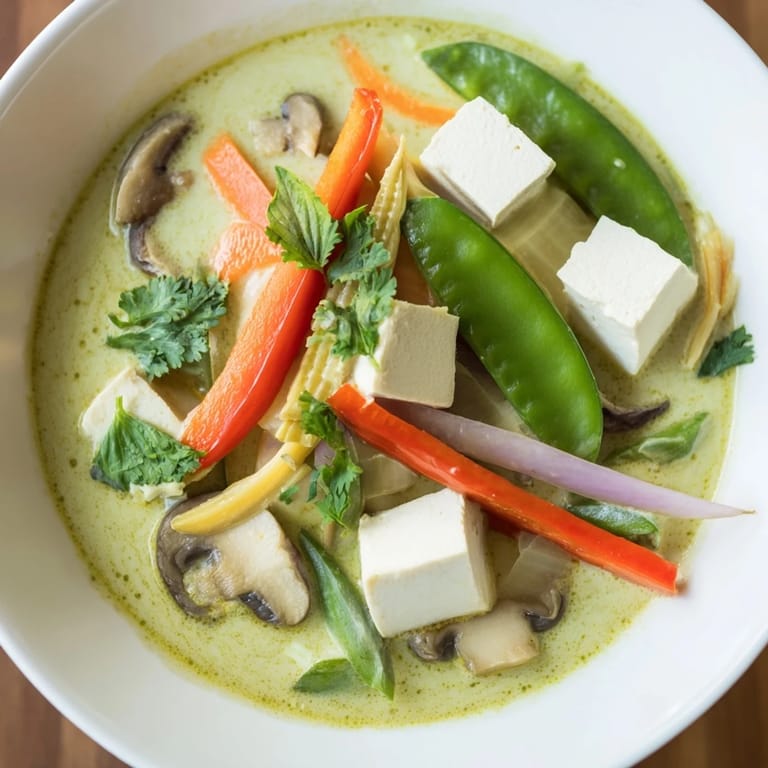
Save This soup reminds me that some of the best meals are the ones that don't require much time but taste like you really showed up in the kitchen. Make it on a weeknight when you want something that feels special without the stress.
Recipe Questions & Answers
- → What protein options work best with this dish?
Firm tofu or boneless, skinless chicken breast are ideal for absorbing the curry flavors without overpowering the broth’s balance.
- → Can I adjust the spice level?
Yes, increase green curry paste or add sliced fresh chili to intensify heat according to your preference.
- → What vegetables complement the curry flavor?
Bell pepper, zucchini, snap peas, mushrooms, baby corn, carrot, and onion all add texture and freshness that harmonize with the curry base.
- → How do I make this suitable for a gluten-free diet?
Use gluten-free soy sauce instead of regular soy sauce and verify all store-bought ingredients to ensure no gluten.
- → What garnishes enhance the final dish?
Fresh cilantro, Thai basil leaves, lime wedges, and sliced red chili add bright herbal and citrus notes that complete the flavor profile.