 Save
Save My neighbor showed up one humid afternoon with a container of these deconstructed spring rolls, and I remember being struck by how she'd torn the rice paper into crispy shards instead of rolling it neatly. She said it was faster, messier, and somehow more fun to eat with your hands. That casual reinvention stuck with me, and now whenever I crave something light but substantial, I make a bowl instead of fussing with rolling.
I made this for my sister during a particularly chaotic work week, and she ate it sitting on my kitchen counter in her work clothes, not even bothering to plate it properly. She asked for the peanut sauce recipe before she was halfway through, which felt like the highest compliment possible.
Ingredients
- Rice paper sheets: These delicate rounds soften in seconds and tear into naturally crispy, uneven pieces that catch sauce beautifully, way better than trying to keep them intact.
- Jasmine rice or vermicelli noodles: The foundation that makes this feel like a meal rather than just a salad, though you can skip it entirely if you prefer something lighter.
- Protein of your choice: Grilled chicken breast is classic and pairs with everything, but pressed tofu gives you a firmer bite and shrimp brings a sweet elegance that changes the whole vibe.
- Fresh vegetables: Carrot, cucumber, and bell pepper should be sliced thin enough to feel delicate but substantial enough not to wilt under the sauce.
- Red cabbage: This adds a slight bitterness and crunch that keeps things interesting, plus it bleeds a little pink into everything around it, which looks gorgeous.
- Salad greens, mint, and cilantro: Don't skimp here, the herbs are where the freshness lives and they're what make this taste authentically Vietnamese rather than just assembled.
- Peanut butter: Use the creamy kind, not natural, because the emulsifiers help you get a smooth sauce without lumps that catch in your teeth.
- Soy sauce, hoisin, rice vinegar, lime juice: This combination is the soul of the sauce, balancing salty, sweet, sour, and umami in one small bowl.
- Sriracha: Optional but honestly necessary if you like heat, just taste as you go because it sneaks up on you.
- Roasted peanuts and fried shallots: The final layer that makes the difference between a bowl and something you actually want to eat.
Tired of Takeout? 🥡
Get 10 meals you can make faster than delivery arrives. Seriously.
One email. No spam. Unsubscribe anytime.
Instructions
- Soften and shred the rice paper:
- Fill a large shallow dish with warm water and dip each sheet for just 5 to 10 seconds until it bends without cracking. Layer them on a clean towel and cut into rough strips or squares with scissors or a knife, which feels satisfying and takes maybe two minutes total.
- Cook your protein:
- Grill, pan-fry, or bake whichever protein you chose, seasoning it generously because it needs to stand up to the peanut sauce and all those vegetables. Let it cool slightly before slicing or cubing so the texture stays intact.
- Prep all the vegetables:
- Julienne the carrot and cucumber so they're thin and delicate, slice the bell pepper into thin strips, and shred the cabbage fine enough that it feels almost silky. Wash your herbs and pull the leaves from their stems, because nobody wants to bite into a woody cilantro stem.
- Whisk the peanut sauce:
- Combine peanut butter, soy sauce, hoisin, rice vinegar, lime juice, and sriracha in a bowl and whisk until smooth, then add warm water a tablespoon at a time until it's pourable but still has body. It should coat the back of a spoon and drip slowly, not run like water.
- Build your bowl:
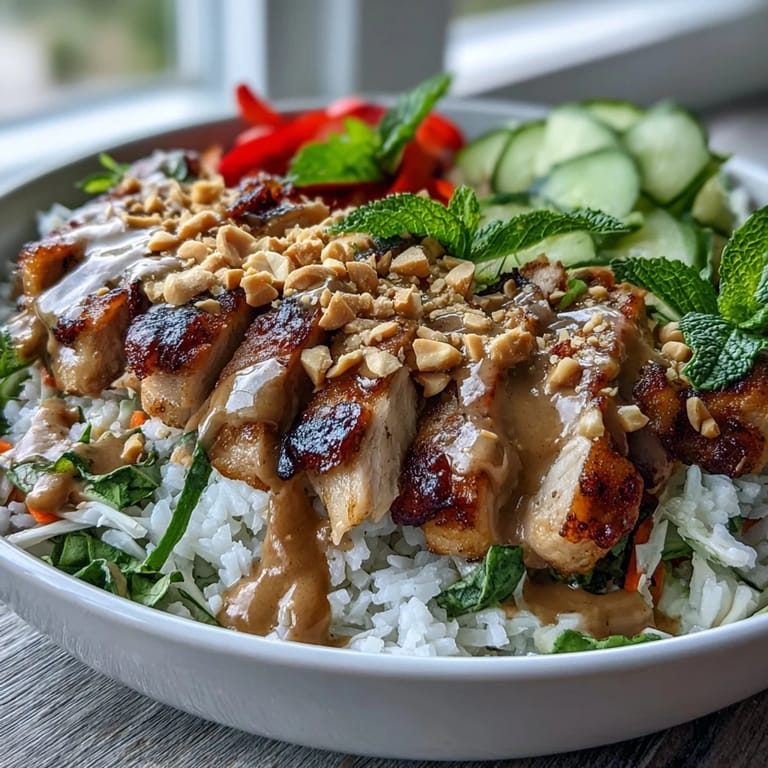
- Divide rice or noodles among four bowls, then top with rice paper shards, vegetables, greens, herbs, and protein in whatever order makes sense to you. The visual chaos is part of the charm, so don't worry about making it look neat.
- Finish and serve:
- Drizzle peanut sauce generously over everything, then top with roasted peanuts and fried shallots, and serve with lime wedges for squeezing. Eat immediately while the rice paper is still crispy and everything feels alive on your spoon.
 Save
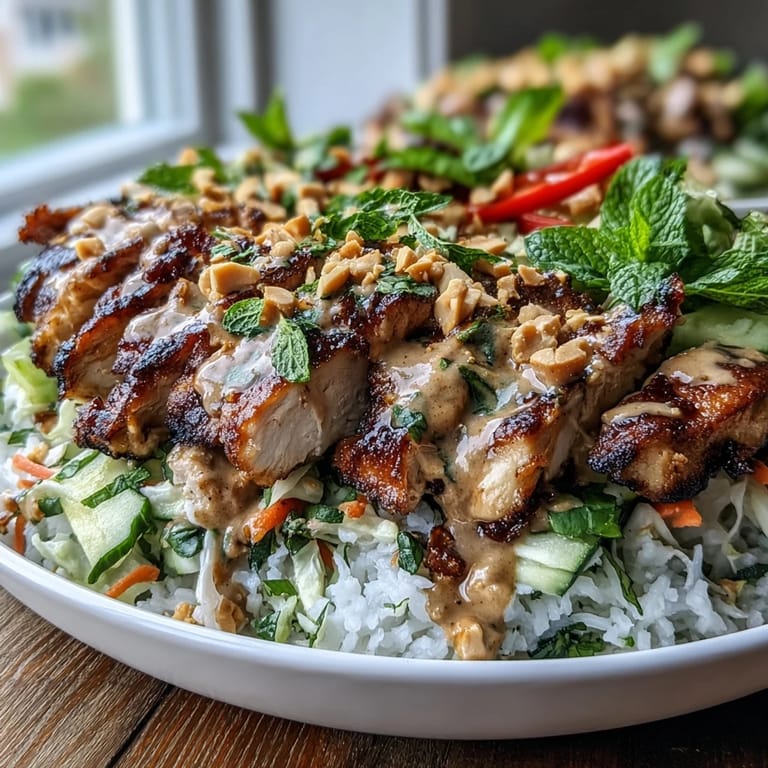
Save There's something deeply satisfying about eating this with your hands, tearing pieces of the crispy rice paper and loading them with vegetables and herbs and sauce all at once. It feels less like dinner and more like playing with your food in the best possible way.
Why Rice Paper Is Worth the Effort
Rice paper is almost pure starch and air, which means it softens instantly and crisps right back up when you tear it. You're essentially creating your own crispy vessels for each bite, which means no separate chip situation and no soggy texture after a few minutes.
Protein Flexibility and Timing
The beauty of this bowl is that your protein can be prepped ahead or made fresh while you chop vegetables, since everything comes together at room temperature or slightly warm. Tofu actually benefits from sitting in the fridge overnight after pressing, and shrimp takes maybe five minutes to cook, so you can really work with what your schedule allows.
Sauce Strategy and Customization
The peanut sauce is forgiving, which means you can adjust it based on what you have on hand and what mood you're in. I've made it with almond butter on a Tuesday when the peanut jar was empty, and it was delicate and bright instead of deep and nutty, which actually worked better with shrimp.
- Start with less sriracha than you think you need, because you can always add more heat but you can't take it back.
- If your sauce breaks or separates, just whisk in a little more warm water and it'll come back together smoothly.
- Make extra sauce because you'll want it for snacking on leftover vegetables or drizzling on plain rice later in the week.
 Save
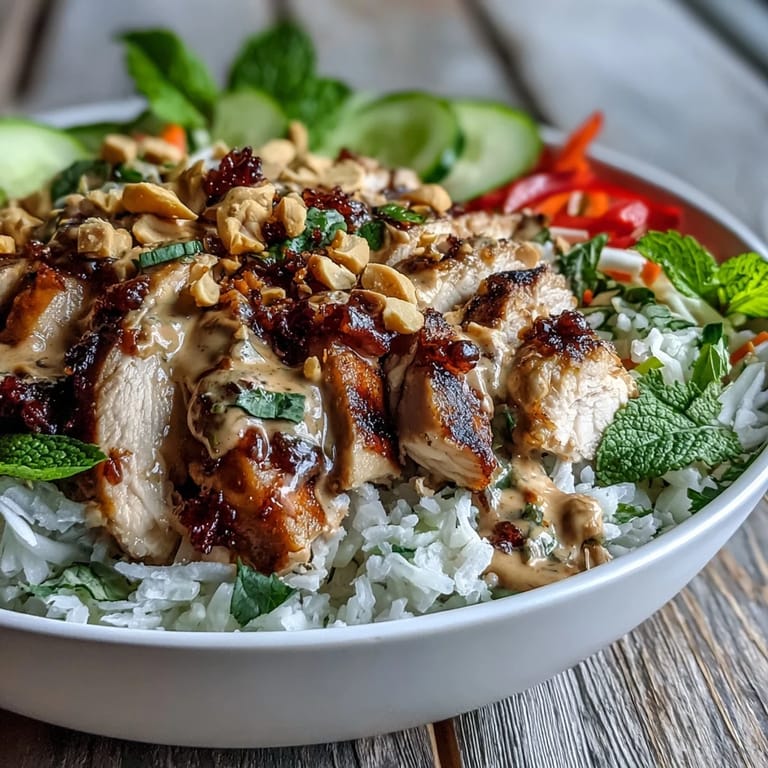
Save This bowl lives in that perfect middle ground between salad and meal, fresh and satisfying, structured and chaotic. Make it once and it becomes the thing you reach for whenever you want to feel like you're eating something intentional and delicious without the fuss.
Recipe Questions & Answers
- → How do I keep rice paper from getting soggy?
Soften the rice paper sheets briefly—just 5–10 seconds in warm water. Cut them into strips immediately and don't let them sit too long before assembling. The sauce will naturally soften them further when serving.
- → Can I make this bowl ahead of time?
Prepare all components separately in advance. Store vegetables, protein, and sauce in airtight containers. Keep rice paper pieces separate until serving to prevent sogginess. Assemble just before eating for the best texture.
- → What vegetables work best in this bowl?
Stick to crisp, raw vegetables that hold their crunch. Carrots, cucumber, bell peppers, and red cabbage provide excellent texture and color. You can also add bean sprouts, sliced radishes, or shredded papaya for variety.
- → How can I adjust the peanut sauce consistency?
Start with the base ingredients, then add warm water one tablespoon at a time while whisking. For a thicker dipping consistency, use less water. For a pourable dressing, add more water until it reaches your desired thickness.
- → Is this bowl served warm or cold?
It's typically served at room temperature or slightly chilled. The protein can be served warm if freshly cooked, while the vegetables and rice paper provide cool, crisp contrast. This temperature balance makes it especially refreshing.
- → What's a good peanut-free alternative?
Almond butter or sunflower butter work well as substitutes. Both provide creamy texture and nutty flavor. You may need to adjust the sweetness slightly as these alternatives have different flavor profiles than peanut butter.