 Save
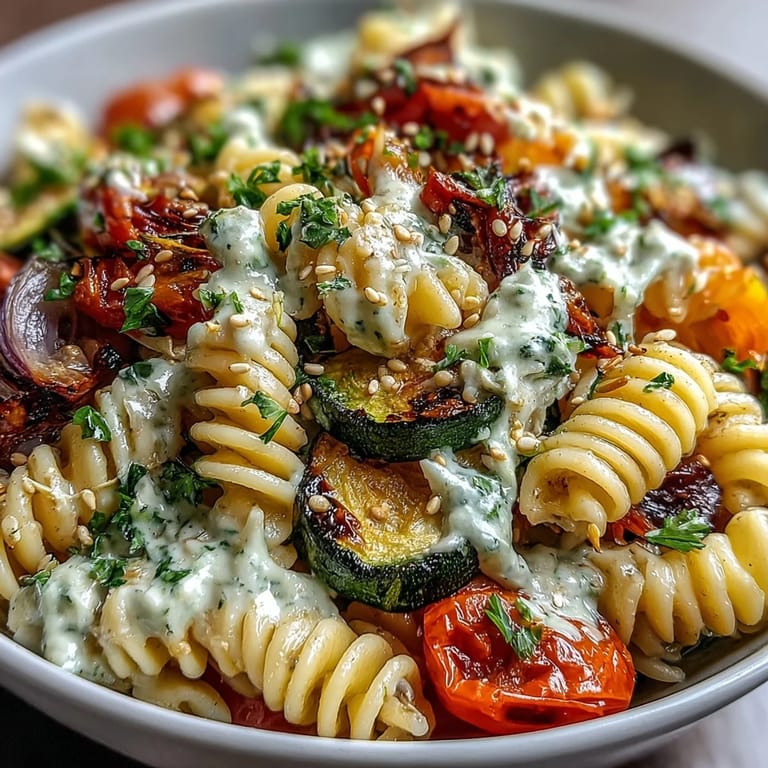
Save There's something about discovering a pasta that actually fills you up that changes how you think about weeknight dinners. I grabbed a box of chickpea pasta on a whim one afternoon, skeptical but curious, and ended up creating this bowl that's become my go-to when I want something that feels both indulgent and genuinely good for my body. The tahini sauce was a happy accident—I had it on hand for something else and thought, why not?—and now I can't imagine this dish without that creamy, nutty layer pulling everything together. It's the kind of meal that tastes like you spent hours in the kitchen when really you just needed thirty minutes and a hot oven.
I made this for my sister on a Sunday when she mentioned feeling stuck in a salad rut, and watching her eyes light up when she tasted the tahini sauce was worth every second of chopping. She's since made it twice, and I love that it's become something we text about—little variations she's trying, vegetables she's swapping in. That's when you know a recipe has truly stuck around.
Ingredients
- Chickpea pasta (340 g): This isn't your standard pasta—it's protein-packed and has a slightly nuttier taste that holds up beautifully to bold flavors. Don't skip checking the package instructions, as cooking times can vary slightly between brands.
- Zucchini (1 medium, diced): Roasting brings out its subtle sweetness and gives it a tender texture that soaks up the tahini sauce.
- Red bell pepper (1, chopped): Cut into chunky pieces so they stay firm during roasting and add a pop of color to every bite.
- Red onion (1 small, sliced): The sharpness mellows beautifully when roasted, becoming almost candy-like if you catch them caramelizing right.
- Cherry tomatoes (1 cup, halved): These burst slightly in the oven and release their juices, creating little flavor pockets throughout the bowl.
- Olive oil (2 tablespoons): Use something you actually enjoy tasting—this is your base for getting vegetables golden and caramelized.
- Dried oregano and smoked paprika (1 teaspoon and 1/2 teaspoon): These spices are what make the vegetables sing; don't treat them as optional.
- Tahini (60 g): The star of the sauce—look for raw, unsweetened tahini that hasn't separated into oil and powder.
- Lemon juice (2 tablespoons): This cuts through the richness of the tahini and brings everything into balance.
- Maple syrup or agave (1 tablespoon): A small touch of sweetness rounds out the sauce and prevents it from tasting one-dimensional.
- Garlic (1 clove, minced): Mince it fine so it distributes evenly throughout the sauce without overpowering it.
- Fresh parsley and sesame seeds: These finish the bowl with brightness and texture—the parsley adds a fresh bite, while the sesame brings a subtle nuttiness.
Tired of Takeout? 🥡
Get 10 meals you can make faster than delivery arrives. Seriously.
One email. No spam. Unsubscribe anytime.
Instructions
- Set your oven and prep the vegetables:
- Heat your oven to 220°C (425°F) and line a baking sheet with parchment paper so cleanup is effortless. Chop your vegetables into chunky, similar-sized pieces—this ensures they'll roast evenly and caramelize at the same rate.
- Season and spread:
- In a large bowl, toss your chopped vegetables with olive oil, oregano, smoked paprika, salt, and pepper until everything is well coated. Spread them in a single layer on your baking sheet—don't crowd the pan or they'll steam instead of roast.
- Roast until golden:
- Pop the vegetables into the oven for 20 to 25 minutes, stirring them halfway through so they color evenly on all sides. You'll know they're ready when the edges are slightly caramelized and everything is tender when you pierce it with a fork.
- Cook the pasta:
- While the vegetables are roasting, bring a large pot of salted water to a boil and cook your chickpea pasta according to package directions. Drain it well and set it aside—don't rinse it, as the starch helps the sauce cling.
- Build your tahini sauce:
- In a small bowl, whisk together tahini, lemon juice, maple syrup, warm water, minced garlic, and a pinch of salt until it's smooth and creamy. Start with 2 tablespoons of water and add more if needed—you're aiming for a sauce that's pourable but not runny.
- Bring it together:
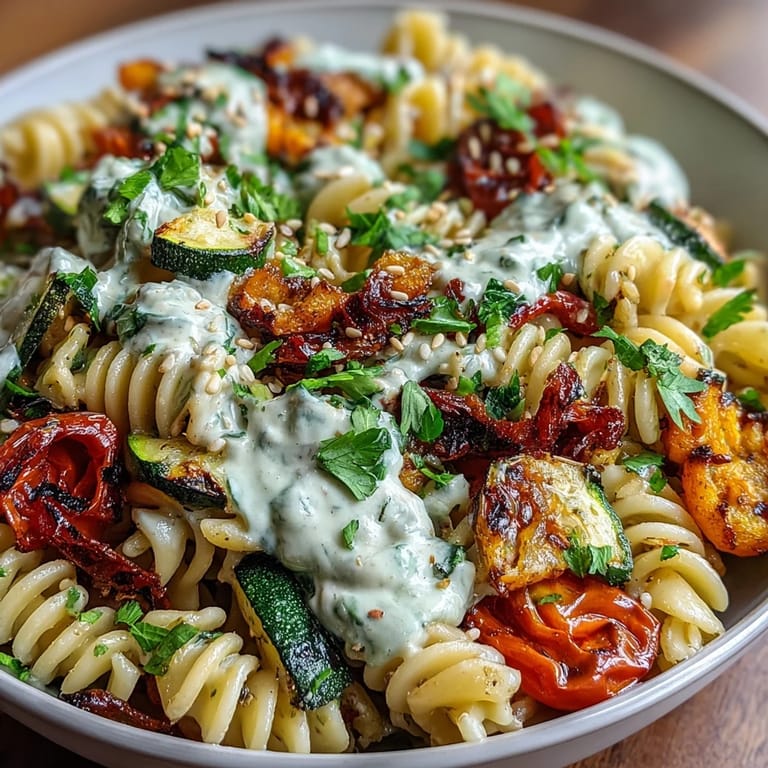
- Combine your cooked pasta and roasted vegetables in a large bowl, drizzle the tahini sauce over the top, and toss gently until everything is coated. The heat from the pasta will help the sauce coat everything evenly and beautifully.
- Serve with personality:
- Divide the bowl between serving plates, scatter fresh parsley over the top, and add a sprinkle of toasted sesame seeds if you have them. Serve it warm while the vegetables are still tender, or let it cool to room temperature—it tastes great either way.
 Save
Save One evening I made a double batch for a small dinner party, and someone asked if I could email them the recipe because they wanted to make it at home. That's the moment I realized this wasn't just a convenient weeknight dinner—it was the kind of food that makes people feel genuinely nourished.
When Vegetables Become the Main Event
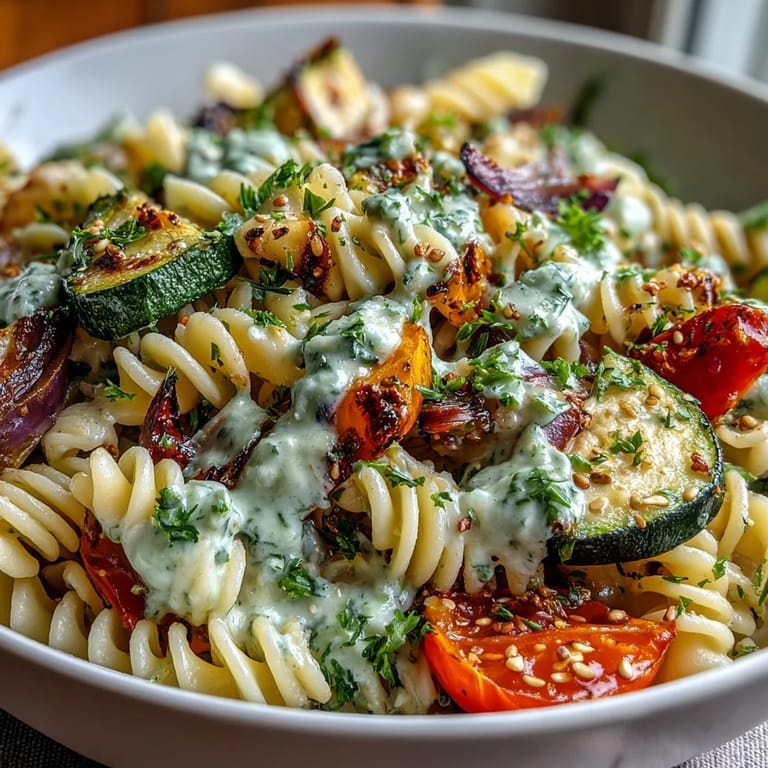
Roasting vegetables is honestly where most of the magic happens in this bowl. The high heat caramelizes their natural sugars, which brings out flavors you didn't even know were there. I used to think roasted vegetables were just a side dish until I understood that when they're the centerpiece, they deserve your full attention—good seasoning, proper spacing on the pan, and a willingness to let them get a little charred at the edges.
The Tahini Sauce That Changed Everything
If you've never made tahini sauce before, this is the place to start. It's forgiving and flexible, and once you understand the basic ratio—tahini, acid, sweetness, and water—you can adjust it to your taste without worrying you've ruined it. I've made it thinner for drizzling, thicker for dipping, and somewhere in between for coating pasta. The lemon juice is non-negotiable though; it's what stops the sauce from tasting flat.
Making It Your Own
The beauty of this bowl is that it's genuinely flexible. Swap in whatever vegetables are in season where you live—eggplant, broccoli, carrots, or even cauliflower all work beautifully. The tahini sauce stays consistent and reliable, which gives you freedom to play with the other elements. I've added a handful of fresh spinach right at the end, stirred in some cooked chickpeas for extra protein, and even topped it with crispy tofu cubes when I wanted something more substantial.
- Change up the vegetables based on what's fresh and affordable at your market.
- If you need more protein, add cooked chickpeas or pan-fried tofu to make it heartier.
- A splash of tahini sauce transforms even leftover roasted vegetables into something worth eating again.
 Save
Save This bowl has become one of those recipes I make when I want to feel good and eat something that tastes genuinely delicious. It's simple enough for a Tuesday night and impressive enough to serve when people are coming over.
Recipe Questions & Answers
- → What does chickpea pasta taste like?
Chickpea pasta has a mild, nutty flavor and slightly firmer texture than traditional wheat pasta. It absorbs sauces beautifully and provides a protein-rich base for this bowl.
- → Can I make the tahini sauce ahead of time?
Yes, the tahini sauce keeps well in the refrigerator for up to 5 days. Store in an airtight container and whisk again before serving, adding a splash of water if thickened.
- → What vegetables work best for roasting?
Zucchini, bell peppers, red onion, and cherry tomatoes roast beautifully together. You can also substitute eggplant, broccoli, cauliflower, or carrots based on what's in season.
- → Is this bowl gluten-free?
Most chickpea pasta brands are naturally gluten-free, but always check labels to ensure no cross-contamination. All other ingredients including vegetables and tahini are gluten-free.
- → How do I store leftovers?
Keep components separate in airtight containers for up to 4 days. Store roasted vegetables, pasta, and sauce individually, then combine when ready to eat. Reheat gently or enjoy cold.
- → Can I add more protein?
Absolutely. Stir in cooked chickpeas, grilled tofu cubes, or even roasted chickpeas for extra crunch. Hemp seeds or nutritional yeast also boost protein content.